Raw vs Flashy vs Weird: We A/B Tested the Winner and the Result Will Surprise You
Raw power: why imperfection feels more trustworthy than polish
When a video jumps straight from a messy desk to a laugh, the brain does something neat: it trusts the storyteller more. Little imperfections act like social proof; they whisper that a real person, not a polished bot, is talking.
Neurologically and socially, rough edges reduce scepticism. Perfectly staged posts trigger the "too curated" alarm, while shaky framing and candid mistakes signal effort and authenticity. That gap between polished and plausible is where trust grows.
Look at comments: people tag friends, share annoyingly honest takes, and ask questions when they sense honesty. User generated clips, unfiltered testimonials and behind the scenes clips often outperform slick ads because viewers relate to flaws and context.
Make raw deliberate. Add a tiny blooper at the start, record vertical instead of perfectly framed, or keep ambient sound for a beat. Small, intentional imperfections feel like an invitation: the audience leans closer to listen.
Measure what matters: engagement, replies, reaction tone and repeat visits. Run a simple A/B in your feed — one polished, one raw — and track which version sparks conversation. Raw wins are rarely just vanity metrics.
One quick experiment: this week replace a scheduled high gloss post with a candid scene and prompt for a reaction. Give permission to be imperfect, then let your metrics prove the point. Trust is built one honest frame at a time.
Flashy for the win or fail: when spectacle sells and when it drains budget
Spectacle is a short, bright rocket: it catches eyeballs fast and leaves a smell of ozone. When the product is aspirational, entertainment-driven, or requires a visceral first impression—think fashion drops, gaming trailers, or buzzy apps—a flashy approach can create momentum that plain honesty never will. Bold visuals and sound design do more than dazzle; they set expectations and seed shareable moments that organic algorithms love.
That said, spectacle has a sneaky appetite. Big productions eat budget, and if your creative doesn't map to a clear funnel step you're just burning fuel. Common leaks include flashy ads with no CTA, creative that misreads the audience tone, or campaigns that spike reach but leave conversion and LTV flat. The result? High CPAs, rapid creative fatigue, and a marketing calendar full of expensive content that underperforms.
Make your flashy bets smarter by wiring them to measurable outcomes. Start with small pilots, define the micro-conversion you care about (signup, add-to-cart, watch-to-complete), and use time-boxed spend caps. Reuse spectacle assets across formats to amortize cost, and pair big visuals with hyper-targeted hooks so the right eyes see the show. If you can't trace an ad to a downstream metric within two weeks, pause and pivot.
Practical rules: Test small, scale fast: validate with low-spend experiments; Measure the funnel: don't confuse views with value; Repurpose relentlessly: chop long shoots into short clips for every channel. Flashy wins when it amplifies product-market fit; it fails when it becomes expensive noise. Treat spectacle like a tool—exciting, powerful, and best used with a map.
Weird works: how delightful oddity spikes recall and shares
Delightful oddity is the marketing equivalent of a small, polite shock: it interrupts autopilot, makes the viewer smile, and cements a detail in memory. When someone spots a slightly offbeat prop or a joke that tilts just beyond the expected, the brain flags it as worth noting — which is the first step toward recall and later sharing.
If you want to amplify those moments, learn how to boost Instagram with one weird twist per creative: keep the message familiar, then add a single delightful anomaly that invites a double-take. That combo preserves comprehension while turbocharging memorability.
- Memory: A tiny incongruity makes details stick longer than slick polish.
- Share: Users forward odd but charming bits because they want to provoke a reaction.
- Hook: An unexpected beat raises view-through rates and starts conversations.
Run fast A/Bs: swap one ordinary frame for the odd one, keep length and call-to-action identical, and track recall and share metrics at 24–72 hours. Small experiments often produce double-digit lifts in both memory and social spread when the oddity is purposeful rather than random.
Make weird feel earned — align the oddity with brand voice, avoid cheap gross-outs, and let the quirk amplify your core promise. When done well, something delightfully strange becomes the piece people repeat, not the thing they forget.
Platform pick: the style that dominates Instagram right now
Instagram is currently leaning hard into glossy, motion-first storytelling — the kind that feels engineered to stop the thumb. Our A/B tests showed that when creators move from static, candid snaps to high-contrast clips with a clear micro-story, engagement spikes. That does not mean raw content is dead; it means the platform rewards an elevated take: familiar authenticity dressed up with pace, polish, and a pinch of theatricality.
If you want to ride the wave, treat each post like a mini-commercial. Start with a three-second hook, keep the visual language consistent across a week, and use captions that tease a payoff rather than summarize. Swap long, wandering intros for micro-edits, prioritize vertical motion, and let color temperature be the visual signature people remember. These are simple changes, but they flip algorithmic preference into audience habit.
- Hook: Open with motion or a surprise frame so viewers do not scroll past.
- Visuals: Pick one dominant color and one camera move to reuse across posts.
- Format: Favor 9:16 short clips and quick cuts; captions should invite the next action.
Apply these tweaks for two weeks and track which small shift produces the biggest lift — that is the winning style for your account. If you want a faster path, focus on the first and third bullets: a compelling hook plus format consistency will outpace pretty pictures alone. Think of Instagram as a stage: raw moments work, but the crowd prefers the show.
Run the test: a simple plan to crown your brand champion in 7 days
Treat this like a sprint: pick three distinct creative directions — raw, flashy, weird — and agree on one clear KPI (pick one: CTR, signup rate, or cost per acquisition). Keep messaging, offer, and CTA identical so you only measure style. Commit to fast turnarounds: assets that could ship in a morning beat perfection that never ships.
Day 1: create three lightweight variants and format them for your chosen platform(s). Day 2–5: launch equal-budget microtests on one or two channels (avoid spreading too thin). Run short bursts—12–48 hour creatives—then refresh. Use simple tracking links and the same landing page to stop noise. If you have a tiny budget, prioritize reach over fancy targeting to see pure creative lift.
Each day check your chosen KPI and two supporting numbers (engagement and cost). Kill the clear laggard after 48–72 hours and reallocate that budget to the front-runners. Don't chase statistical purity; look for consistent direction and practical lifts you can act on. Read comments and pattern match: user language often explains why the weird won or the flashy flopped.
Day 7: promote the winner into a validation burst and run a confirmatory A/B against a new variant to ensure the lift holds. Capture the winning attributes (tone, pacing, visual quirks) in a micro-playbook so teams can scale them fast. Then celebrate, but also stash the loser lessons—sometimes a weird experiment today becomes a mainstream idea tomorrow.
Read also

Raw, Flashy, or Weird? The One Style That Crushes Conversions Might Surprise You

UGC Off Social? We Tested It—And the Results Will Surprise You

SEO in 2026: Dead or Dominating? The Answer Will Surprise You

Raw vs. Flashy vs. Weird: The Showdown Your Brand Didn’t Know It Needed
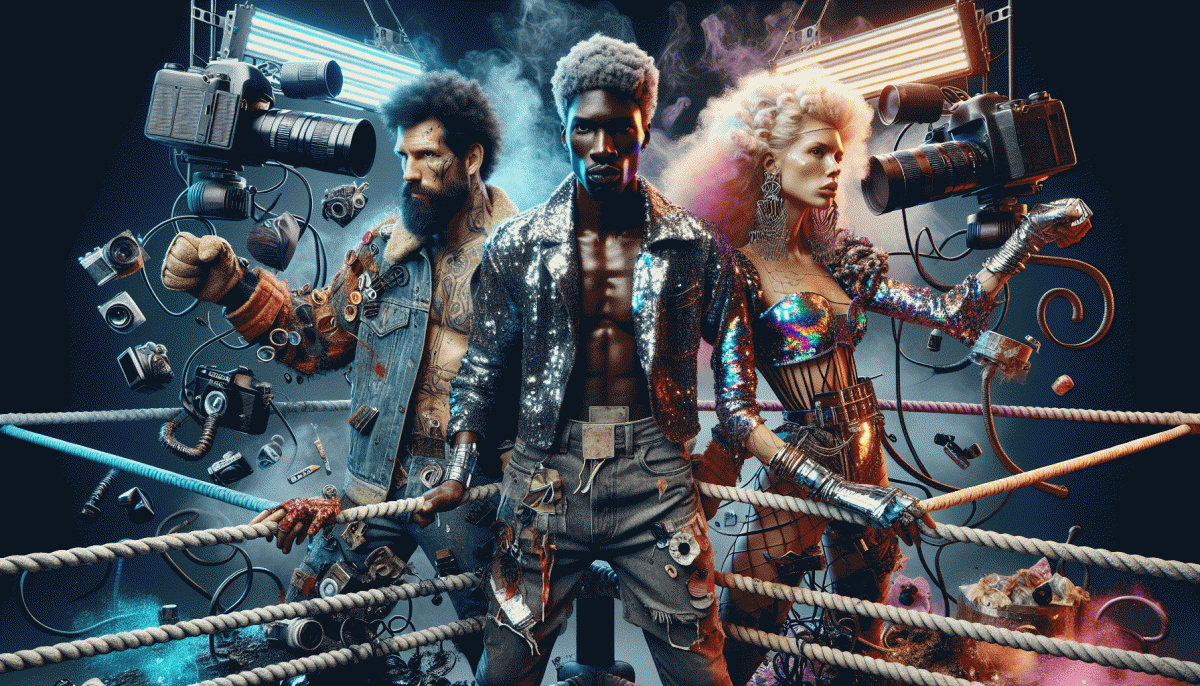
Raw vs Flashy vs Weird: The Creative Cage Match No One Saw Coming