
Raw vs Flashy vs Weird: The Surprise Winner You Did Not See Coming
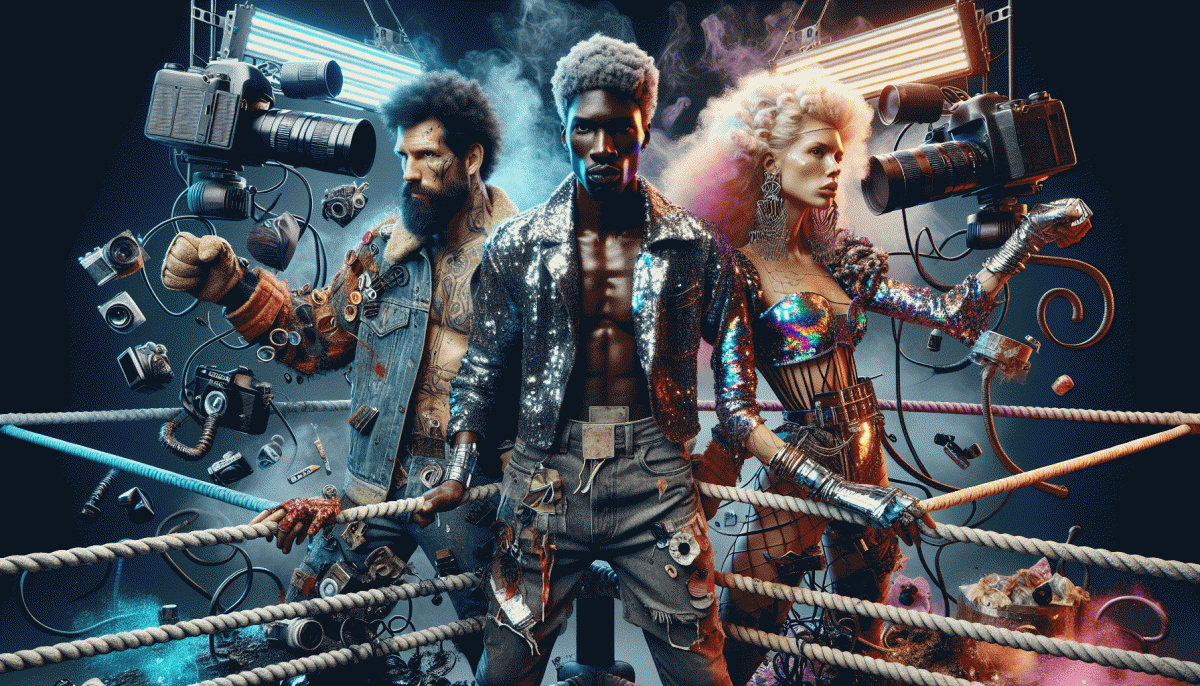
Raw: The scrappy look that builds trust fast
Forget satin finishes and airbrushed smiles — people smell polish from a mile away. A grainy vertical clip, a blurred handoff, a phone-rattle laugh: these tiny flaws are social currency. When you let the camera catch the awkward beat, viewers read that as real rather than scripted. The scrappy aesthetic isn't lazy; it's strategic—designed to shortcut skepticism and invite people to lean in.
Make it practical: shoot in portrait for stories, keep clips under 15 seconds for attention, and resist the urge to over-caption. Use one clear message per clip and a single visible graphic if needed. Emphasize ambient sound over canned music when possible; the hiss of a coffee machine or the thump of a doorstep builds atmosphere. Above all, edit like a barber: quick trims, bold continuity, no fluff.
Why this works: humans trust imperfection. Rawness signals a human behind the brand, not a marketing department in a bunker. That familiarity accelerates shares, comments, and the kind of micro-conversions polished ads rarely earn. Treat authenticity like a hypothesis: measure watch time, comment quality, and direct messages to learn which frank moments convert into real relationships.
Small production rules that feel big: prioritize a steady focal point, keep lighting natural but consistent, write candid captions that invite a reply, and always reply quickly when someone engages. Run a two-week experiment where half your posts are raw and analyze performance. You'll often discover the surprise winner was whatever you filmed on a phone, five minutes before the perfect, overthought version.
Flashy: When high gloss dazzles and when it flops
Glossy things catch eyes fast — a shimmer in a saturated feed, an arresting color, or a stunt that makes people pause. When that pause aligns with a clear message, flashy becomes more than decoration; it becomes a hook that can pull someone into the story.
Flashy works when it is honest about its promise: bold visuals for a bold product, spectacle to highlight a feature, or high production where quality matters. Match spectacle to substance, pick the right platform, and do not let sparkle replace clarity.
Flashy flops when it feels empty. If the audience cannot see value behind the glitter, attention will ricochet into skepticism. Common failures include mismatched tone, poor timing, and creative that overwhelms the call to action instead of supporting it.
Test cheaply before full production. Run quick assets to a small audience, measure immediate engagement and the downstream conversion rate, then iterate. A glossy hero image is fine, but validate whether that hero actually changes behavior rather than only inflating vanity metrics.
Pair flash with a simple follow up: a grounded line, a demo, or user proof that turns astonishment into trust. If you need distribution without the guesswork, consider channels that deliver precise scale like buy reach to accelerate those early tests.
Treat flash as seasoning, not the main course. Use it to open the door, then hand the guest something real to hold. When done with discipline, flashy dazzles and converts; when done without strategy, it just becomes expensive glitter.
Weird: The delightful oddity that stops the scroll
When feeds are full of polished lifestyle shots and blunt authenticity, a stranger element can act like a blink of neon in fog. The delightful oddity is the post that causes a double take: a squirrel in a suit, a product shot with intentionally wrong lighting, a narrator who speaks in riddles. That unexpected moment is attention currency; it forces a pause, a reframe, and often a share.
The reason this works is simple neuroscience and social mechanics. Anomalies trigger curiosity, require more processing, and create memorable tags in memory. Combine pattern interruption with clear narrative anchors and the weird stops scrollers but still guides them toward meaning. Keep the oddity tight and purposeful: make it strange enough to spark intrigue yet anchored enough to lead to comprehension and action.
How to deploy oddity without alienation: pick one rule to bend per asset, not every rule. Test a single offbeat visual or a short unexpected line of copy in an A B experiment. Pair the quirk with a clear value cue and a simple CTA so confusion does not win. Use micro surprises across formats—thumbnail, first three seconds, headline—and track which moment creates the best lift.
Measure engagement beyond vanity like dwell time, saves, shares and downstream conversions so the data rewards real captivation. When a weird variant shows consistent lift, scale it by extending the concept into follow ups while keeping a steady brand thread. Above all, treat oddity as a strategic spice: a little goes a long way and can turn a modest campaign into the unexpected favorite.
The quick chooser: 3 questions to nail your style
Stop overthinking: pick the vibe that makes your teeth hurt with excitement or let you sleep in peace. Notice the reaction you want first. If you crave brutal honesty, lean raw. For jaw-dropping polish, go flashy. For something that lingers in memory, flirt with weird.
Q1: Who are you trying to charm? If your crowd loves authenticity and candid detail, raw will feel sincere. If they snack on spectacle, flashy wins. If they share inside jokes and delight in surprise, weird is your secret weapon. Picture one follower reaction and follow that.
Q2: What does success look like in seven days? Quick engagement spikes favor flashy hooks. Slow-burn loyalty indicates raw storytelling. Virality experiments suit weird formats. Pick a single metric—comments, saves, or shares—and measure one clear outcome so choices do not blur.
Q3: How big is your risk and time budget? Flashy costs more polish and iteration. Raw trades polish for speed. Weird demands testing and thick skin. Allocate a small experiment budget, commit to two cycles, then iterate toward the winner instead of courting perfection on day one.
Ready to test a look fast and let the crowd pick the surprise winner? Try a small promotional push—sample each vibe and compare results. To start simple, order Instagram boosting and watch which style truly wins in the wild.
Remix time: Simple combos that turn meh content into must share moments
Think of remixing like a quick kitchen hack: take one honest, grainy clip, sprinkle in a bright visual hook and stir in a tiny weird moment. The result skips boring and lands squarely in that surprising zone where people actually stop scrolling and tag friends.
Combo 1: A candid behind-the-scenes snippet + a bold colour splash at the start.
Combo 2: A short, awkward truth line cut to a slick reveal.
Combo 3: Re-use user comments as captions and pair them with playful, slightly odd B-roll. Each mix is cheap to make and shockingly shareable.
Timing is your secret sauce: trim to beats, drop punchlines at 2–3 seconds, and end with a visual loop that begs replay. Use quick jump cuts, a deliberate awkward pause, or a sudden close-up to convert a polite glance into genuine curiosity.
Tailor the same remix for different platforms by swapping one element: keep the raw voice but give Instagram a glossy thumbnail, shorten for Twitter, and add captions plus an extended hook for YouTube. Small swaps crank up native engagement without rewriting the whole idea.
Measure with tiny experiments — one remix per day for a week — and compare saves, shares and comments rather than vanity views. Double down on the two combos that get people tagging others or quoting lines in replies; those are the true currency of virality.
Actionable close: Pick one dull post, apply one of the three combos, and publish with a daring first three seconds. If it lands, remix it again; if it flops, tweak the hook and try another micro-combo. Repeat until you own that surprise factor.
Read also

Raw, Flashy, or Weird? The One Style That Crushes Conversions Might Surprise You
Raw vs Flashy vs Weird: The Creative Cage Match No One Saw Coming

Raw vs. Flashy vs. Weird: The Showdown Your Brand Didn’t Know It Needed

Organic vs Paid vs Boosted: The Follower Growth Winner You Did Not See Coming

Raw vs. Flashy vs. Weird: We Ran the Showdown—Guess Which Style Actually Wins?