
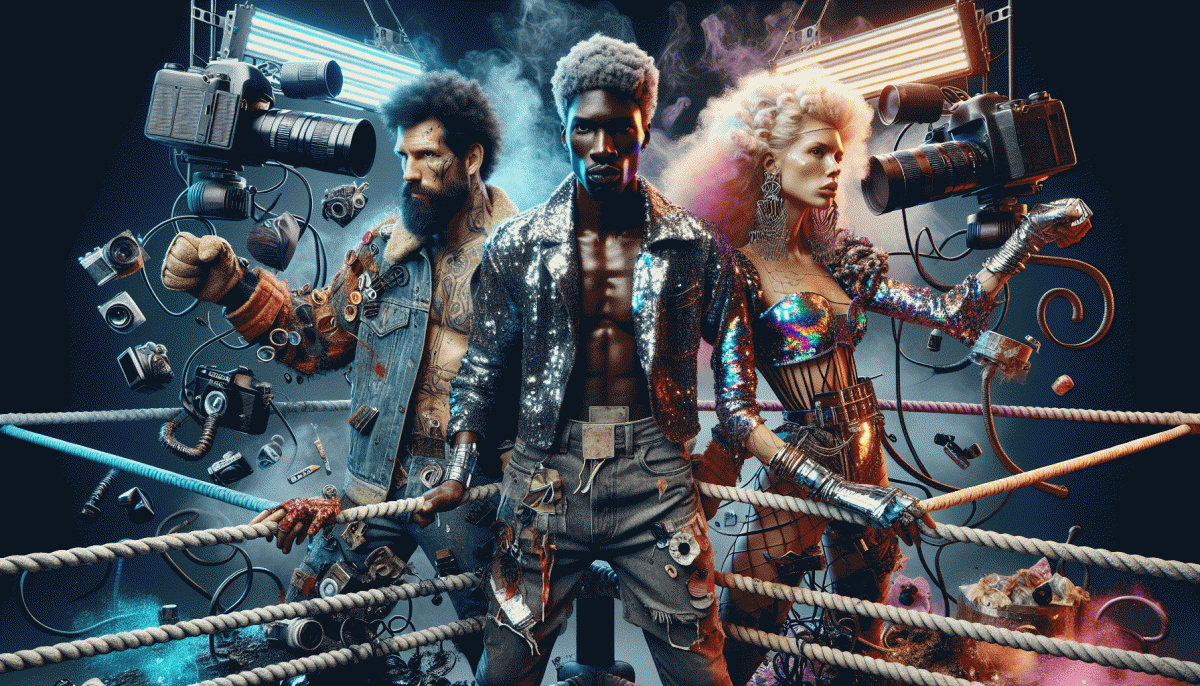
Raw vs Flashy vs Weird: The Showdown Marketers Cannot Ignore
Why Raw Hooks Hearts and Wallets When Polish Falls Flat
People connect to people, not to polished veneers. A shaky phone clip of the founder explaining why she built the product, a candid customer video, or a raw photo of the messy workshop cuts through attention faster than slick CGI. Authenticity signals honesty; honesty reduces hesitation at checkout.
When everything is perfect, brains get suspicious. Highly produced ads raise expectations and trigger comparison; rough edges set realistic frames and invite empathy. Favor user generated content, behind the scenes snippets, and off script testimonials to lower cognitive resistance and make your offer feel attainable.
There is a commercial logic under the warmth. Raw formats lower production cost and increase perceived scarcity of genuine moments, which can lift conversion rates. Try radical transparency: show cost breakdowns, real timelines, or unscripted customer feedback. Bold honesty can convert browsers into buyers.
Practical playbook: pick one element to unpolish each campaign — a live clip, an unedited review, or product imperfections — then run an A/B to measure lift. Keep brand voice consistent so rawness does not read as negligence. Track engagement, time on page, and conversion funnels for quick feedback.
Raw is not sloppy; it is intentional. Use constraints to surface truth and craft repeatable rituals that humanize your marketing. Do this and you get something marketers worship: deeper loyalty, higher lifetime value, and the kind of word of mouth that polished ads rarely earn. It pays to be real.
Flashy That Converts: The Right Kind of Sparkle Without the Glare
Flashy elements earn attention only when they act like tour guides: they point to the prize instead of staging a circus. Think of sparkle as directional light—use it to highlight benefit, build trust, or nudge behavior. If it does not speed someone toward a choice, it is just noise.
- Hierarchy: Use size, contrast and motion to show what to click first.
- Timing: Stagger animations so each moment earns attention, not noise.
- ⭐ Focus: Make the primary CTA visually dominant and sincere.
Marry copy and visuals so they share the same promise. A shiny button needs microcopy that explains the reward; a bold burst needs context, not mystery. Keep animations short, accessible, and easy to skip, and optimize for load speed so sparkle does not punish mobile users.
Measure conversion drivers, not just vanity metrics. Track CTA clickthrough rate, completion rate, scroll depth and heatmap hotspots. Run small A/B tests with one flashy variable at a time and treat every uplift as a learning opportunity to scale what works.
Start the experiment this week: pick a hero element, apply one of the list techniques above, and run it for enough traffic to be confident. Small, intentional sparkle wins more often than blind glitter.
Weird Works: Turning Odd Ideas Into Scroll-Stopping Gold
Odd ideas are the best fertilizer for attention: they break the scroll trance and invite a double-take. The secret is designing oddity with intent, not chaos. Start with a single, unexpected premise that answers a human question, then simplify the delivery so the moment reads instantly.
Try four practical moves: a tiny contradiction (a kitten teaching budgeting), an absurdly granular detail that signals authenticity, a deliberate production blemish that feels human, or a harmless non sequitur that sparks curiosity. Keep lengths short, formats remixable, and hooks repeatable across placements.
Match the weird to the feed: looped microvideos for autoplay environments, stills for swipe-happy carousels, and snackable audio bits for platforms where sound drives discovery. For platform-specific boosts see Instagram boosting and adapt the weirdness to where people already behave that way.
Measure attention, not just impressions: track view duration, mid-content drop-off, reactions, saves, and conversational comments. Run iterative A/Bs that swap one eccentric element at a time; keep the signal (what stopped someone) and abandon the noise.
Budget small experiments and treat failure as research. When a weird bet lands, scale the concept, not the exact joke. Bold, well-directed oddity outperforms safe polish — so be playful, precise, and ready to ship the weird.
Test Like a Pro: A Quick Split-Run Plan for Instagram
Treat this like a mini science fair for your Instagram strategy. The idea is simple and deliciously practical: build three tight variants that map to the raw, flashy, and weird styles, then run them side by side against the same audience.
Step 1: define one clear hypothesis, for example that raw authenticity will drive comments while flashy visuals will drive saves. Keep the variables controlled so you are testing style, not headline or offer.
Step 2: production rules. Create three pieces of creative that share the same caption, CTA, and target criteria. Use the same post format across variants: all Reels or all static posts. Allocate budget evenly, split the target by reach so each creative sees comparable impressions, and avoid overlapping saved audiences to prevent contamination. Aim for a minimum run that yields enough interactions to compare — a practical rule is 1,000 impressions per variant per day for smaller accounts, scaling up for larger ones.
Step 3: run mechanics and metrics. Run the test simultaneously for 3 to 7 days depending on volume. Pick one primary metric up front — engagement rate, saves, watch time, or clickthroughs — and a secondary fallback. Look for a 15 to 20 percent uplift or clear directional wins rather than tiny differences. If the results are noisy, extend the run rather than making a snap call.
When a winner emerges, scale it without losing the soul of the format. Double down on the winning style, then run a new split testing one tactical tweak at a time. Repeat this loop and you will extract the strengths of raw, flashy, and weird without guessing. Testing like a pro is less about low drama and more about systematic mischief.
Pick Your Signature Style: A Three-Step Playbook You Can Ship Today
Pick the style that will carry every post, ad, and email you send. Think of this as choosing a character to play: raw is the backstage confessional, flashy is the headline that stops thumbs, weird is the unexpected cameo that sparks sharing. Locking a single personality prevents mixed signals and makes creative decisions fast, which means you can actually ship instead of overthinking.
Step 1: Audit one week of content and note which pieces got attention without extra spend. Step 2: Define three signature moves that fit your chosen personality—voice line, visual motif, and an offer twist. Step 3: Make a tiny launch plan you can execute in 72 hours: one hero post, three follow ups, one paid boost. Each move should be repeatable so teammates can riff without wrecking the vibe.
Use this quick style map to guide that plan:
- Raw: Show micro failures, behind the scenes, and one simple tip people can apply right now
- Flashy: Big visuals, confident claims, and a bold CTA that reduces friction
- Weird: Odd analogies, playful formats, and an invitation to participate
Ship the experiment, measure three KPIs (reach, engagement rate, and one action metric), and double down on the winner. Repeat the three step playbook weekly until your signature style becomes the easiest decision in the room.
Read also

Raw vs. Flashy vs. Weird: The Showdown Your Brand Didn’t Know It Needed

Raw vs. Flashy vs. Weird: We Ran the Showdown—Guess Which Style Actually Wins?

Raw, Flashy, or Weird? The One Style That Crushes Conversions Might Surprise You

SEO in 2026: Dead, Dying, or Dominating? The Surprising Truth You Cannot Ignore
Raw vs Flashy vs Weird: The Creative Cage Match No One Saw Coming