
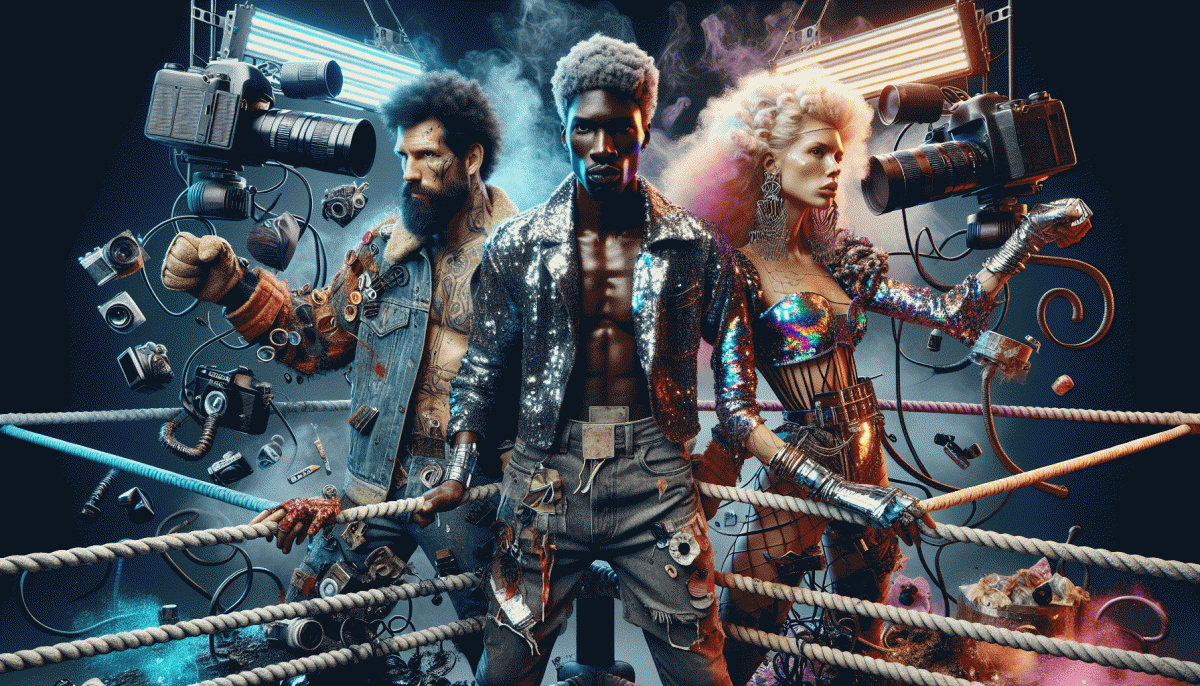
Raw vs Flashy vs Weird: The Creativity Cage Match With a Surprise Winner
When Raw Rules: Why messy beats polished for trust and conversion
There is a powerful psychology behind candid creative: imperfections signal presence. When a video jitters, a caption stumbles, or lighting is just ambient room light instead of studio polish, audiences read that as real people behind the brand. That realness compresses the trust timeline, invites micro interactions, and often nudges hesitant visitors into quick yes moments. In short, messy can feel like human, and human converts.
Use this quick checklist to lean into messy without getting sloppy:
- Relatability: Show the setup, not just the result, so viewers see context and connect.
- Speed: Ship rough cuts and stories fast to stay on trend and collect real feedback.
- Conversion: Add a clear, single CTA and test urgency instead of polishing every pixel.
Do controlled experiments: run the same message as a glossy ad and as a raw behind the scenes clip, measure CTR and DM volume, then double down on what moves the needle. If you need social proof to amplify those tests quickly, consider buy organic Instagram followers to seed momentum while the content learns.
Operational tips: post one unedited story daily, swap one high production post for a candid photo each week, and track micro conversions like profile clicks and message replies. Remember, raw does not mean careless; it means human first, data second. When trust is the currency, a little mess is a strategic advantage.
The Flashy Formula: Make thumb stopping visuals that sell without yelling
Stop trying to scream with size and volume. The trick to flashy that actually sells is surgical attention: a single visual idea executed with so much clarity that a scroller stops, reads the cue, and takes the next step. Think bold silhouette, one dominant color pop, and a clear human or object focal point that anchors meaning instantly. When the visual communicates the offer in one glance, you do not need a megaphone.
Focus on one idea: choose a primary emotion or benefit and let every element support it. Use high contrast for the subject, keep text minimal and legible at thumb scale, and give the eyes a breath with smart negative space. Composition rules still matter: rule of thirds, scale to emphasize value, and a tiny bit of motion or microinteraction to nudge attention. Swap fonts for clarity, not flair, and replace long sentences with a micro headline plus a concise value line.
Platform matters. Crop and motion choices that thrill on YouTube can flatten on Instagram stories or Twitch overlays. Design with the sound off in mind, test the thumbnail as a static image, and size safe zones so CTAs never get clipped. Run quick A/B pairs that change only one variable — color, face angle, or copy line — so you learn fast which visual lever moves conversions. Use analytics to kill what glitters but does not convert.
Make flash a tactic, not a personality. Treat bold visuals like seasoning: enough to make the dish memorable, not so much that it overwhelms flavor. Iterate quickly, gather results, and let performance prune the prettiest ideas. Flashy that sells is loud in design, quiet in demand for attention, and relentless about one thing only: making the next click obvious.
Go Full Weird: Odd hooks that hijack attention and stay unforgettable
To hijack attention you need a tiny jolt that feels oddly specific. A sensory mismatch or a micro-contradiction — a velvet scream, a polite explosion, a turtle in a jetpack — breaks autopilot and forces eyes to register. The key is to make the oddity meaningful within three seconds so curiosity becomes engagement instead of annoyance.
Try this three-step cheat code: create a startling visual or line, immediately map that surprise to a clear benefit, then deliver a quick, satisfying payoff. Test metaphors that are slightly off-kilter and short micro-narratives that invite completion. For inspiration and service ideas check top SMM website and remix what fits your brand voice.
Turn weird into repeatable craft: write ten hooks, run them as A/B thumbnails or subject lines, and record two things — click lift and watch or read retention. Use clear scaffolding around every odd element so users know what to do next. If clicks climb but retention falls, tame the weirdness; if both climb, amplify and build a series.
Manage risk with empathy not censorship: avoid cheap shocks, keep cultural context in view, and have a fast feedback loop to pull anything that confuses. Scale the smallest oddity that outperforms boring alternatives and document patterns that work. The payoff: sustained memorability, stronger shareability, and a creative signature that outlasts one viral moment.
Choose Your Fighter: A quick playbook to match style to funnel stage
Think of funnel stages as rings: top for spectacle, middle for proof, bottom for conversion. For awareness, deploy flashy or weird creatives that stop the scroll; hook with a bold visual or an oddball line and let curiosity do the work. Keep the opener under 10 seconds on video or in the first two lines of copy and prioritize shareability.
In consideration, shift toward raw or a hybrid approach. Use candid demos, behind-the-scenes clips, and user reactions that feel human and specific. Run 30–60 second formats answering key questions and drop in one flashy element if retention slips. Track clicks and time-on-content to judge whether emotion is turning into interest.
At decision, go clear and transparent: case studies, walkthroughs, and straightforward pricing with a single, tempting CTA. Short testimonial clips or screen-share proof outperform spectacle when people are choosing. If your brand thrives on personality, add a pinch of weirdness as a memory hook only after credibility is established.
Execute like this: map creative type to funnel stage for every campaign, run two creatives per ad set (different styles), and measure stage-specific KPIs daily, pruning losers in 48–72 hours. Small, ruthless tests win — the surprise is that the "winner" is often a smart mix matched to stage, not a one-size-fits-all style.
The Test Plan: Five fast experiments to discover your best performing style this week
Treat the week like a science fair for content: one idea, five executions. The goal is not to reinvent your message but to sprint through different deliveries so you can see which flavor of creativity actually moves metrics. Schedule the tests on comparable days and times, keep captions and thumbnails consistent where possible, and avoid changing audience targeting midweek so the data stays meaningful.
Experiment 1: Raw — film a single-take, behind-the-scenes version that leans on authenticity and imperfection to build trust.
Experiment 2: Flashy — pump up production: tighter edits, punchy transitions, music, and high-contrast visuals to grab scrollers.
Experiment 3: Weird — introduce an unexpected visual or narrative twist that creates curiosity and shareability.
Experiment 4: Hybrid — blend two winners from the first three and test whether contrast helps or hurts.
Experiment 5: Hook-first — start with an outrageous line or visual in the first 2 seconds and keep the rest minimal to test attention retention.
Measure fast: track view-throughs, engagement rate (likes + comments + shares divided by impressions), watch time, and one action you actually care about (clicks, saves, DMs). Use the same post format and URL parameters so analytics are comparable, and let each variant breathe for 24 hours before declaring a leader. Small sample sizes can mislead, so focus on directional wins rather than absolute dominance.
When a style surfaces as the winner, double down for three consecutive posts, then iterate. If you want to quickly test platform-specific lift, check resources like Instagram boosting site for scheduling and distribution options that can amplify early signals.
Read also
Raw vs Flashy vs Weird: The Creative Cage Match No One Saw Coming

Raw, Flashy, or Weird? The One Style That Crushes Conversions Might Surprise You

Raw vs. Flashy vs. Weird: The Showdown Your Brand Didn’t Know It Needed

Raw vs. Flashy vs. Weird: We Ran the Showdown—Guess Which Style Actually Wins?

TikTok Ads: Still Printing Sales or Just Burning Cash? The Answer Might Surprise You