
Raw vs Flashy vs Weird: The Creative Showdown That Could Triple Your Reach
Raw That Roars: Lo-Fi magic that sells
Lo-fi does not whisper—it roars. When you strip polish and let texture, breathy edits, and everyday imperfections lead, people stop scrolling to study and start scrolling to buy. Raw is memorable because it feels human; humans buy from humans who sound like neighbors, not a showroom.
Think short, unvarnished clips: a shaky behind-the-scenes shot, a voiceover that sounds like conversation, captions that look like notes. Use color grading that keeps skin tones honest and sound design that feels lived-in. This creates trust fast—trust converts attention into action.
Three quick moves to get started: film vertical on your phone, keep takes under 20 seconds, and edit with one obvious flaw (a hair, a laugh, a jump cut) to signal authenticity. Test these against glossy ads and track the conversion lift—lo-fi often outperforms when it earns minutes, not just likes.
If you want a fast win for distribution, pair your lo-fi creative with a targeted push—try the best YouTube promotion online to amplify reach without overdressing the content. Amplification should feel like handing a megaphone to a neighbor, not a billboard on the freeway.
Finally, measure the tiny signals: watch-through rate, repeat views, comments that mention detail. Double down on formats that spark conversation and drop expensive polish where it kills intimacy. Raw that roars is about emotional lift, repeat visits, and sales that feel inevitable.
Flashy That Stops the Scroll: When polish pays off
Polish is not a magic wand, but when done right it is the squeaky wheel that gets attention. Gloss, motion, and crisp sound are the sensory fast lane - they convert casual scrollers into viewers in the first 800 milliseconds. Think cinematic thumbnails, bold typography and a hook that lands before the thumb moves.
Start with the first second: use a strong visual cue - a face, product, or bold color - and pair it with concise audio or caption cues. Invest in lighting, clean framing, color grading and basic sound design. Trim to the beat; less dead time means more retention. Simple polish multiplies perceived value.
Flashy wins when you need instant credibility: product launches, event recaps, or brand creatives that must feel premium. It tends to lift click-through rates and shares fast, and when combined with smart targeting it can expand reach without losing relevance. The trade off is higher cost and the need for consistent execution.
Practical checklist: clear focal point; high contrast thumbnail; deliberate motion in seconds 0-2; subtitles for silent autoplay; a single, obvious call to action. Keep assets templated so polish becomes repeatable rather than artisanal, and you will scale quality without scaling budget linearly.
Run a short A/B test: flashy versus stripped down and measure click-through, watch time and conversions for seven days. If flashy consistently wins, double down on templates, batch production and creative rules. If it does not, reserve polish for hero pieces and let raw or weird carry day to day authenticity.
Weird Works: How odd beats ordinary
In a feed clogged with polished ads and staged smiles, the odd thing glows like a neon brain. Weird content earns attention because it interrupts scrolling with a tiny puzzle: why is that man in a tuxedo watering a cactus? That interruption buys you time, curiosity, and higher recall. The trick is not to be random for shock value but to pair odd hooks with a clear payoff so viewers do not feel cheated.
At a simple psychological level, oddness triggers pattern detection and storytelling circuits. When an element violates expectation, people tag the post as worth sharing so they can ask friends if they also are seeing it. Small mismatches win: swap one prop, twist one line in the caption, introduce anachronistic sound. Those micro changes deliver novelty without alienating the core message. Keep meaning anchored while letting style go curious.
Start small. Try a sixty second clip that begins with a harmless action then lurches into a weird reveal; run an A/B test between a tidy product demo and a demo with an absurd prop; use captions that read like micro mysteries. Use contrast in visuals and mismatched music. Metrics to watch are watch time, comments that contain questions, and reshares. If weird raises watch time by twenty percent, consider scaling.
Weird is not a one hit magic bullet. Treat it as a lever: test one variable per campaign, document outcomes, and iterate. Blend raw honesty and flashy polish into a pipeline where weird is the experiment engine. If one idea spikes engagement, replicate the mechanism, not the exact prop. Finally, give the team permission to fail; creative oddballs are messy but they are the fastest route to tripling audience reach when they work.
The 10 Second Gut Check: Pick the right style for the moment
Ten seconds is all you've got. Squint at the brief — audience age, platform mood, headline energy — and answer three lightning questions: Will they expect polish? Do they crave authenticity? Can we be weird and still readable? That quick read flips the strategy from guesswork to a one-click mindset.
If you spot polished feeds, curated influencers, ad-like frames, choose flashy: punchy edits, bold type, and a 2–3 second hook. If comments trail off, UGC and behind-the-scenes earn trust — go raw: handheld shots, real faces, honest captions. If boredom is the enemy, push weird: unexpected metaphors, sound swaps, visual mismatches that stop the scroll. Older audiences? Lean raw and longer captions.
Then match mechanics: flashy shortens scenes and boosts motion; raw leans into pauses, captions, and reactions; weird doubles down on contrast and audio surprises. Also optimize first-frame captioning for silent autoplay. Need a quick resource to scale whichever choice wins your ten-second check? Try a targeted smm service to buy momentum fast without losing creative control.
Final tip: set a micro-test — 6–12 posts, one dominant variable, track saves or shares — and let metrics confirm your instinct. Aim for a 10% lift in saves as a quick success metric. Gut gets you into the arena; data teaches you how to win it. Keep it playful, ruthless, repeat.
Remix Recipe: Blend raw, flashy, and weird for repeatable wins
Treat your creative mix like a kitchen experiment: start with a generous base of raw honesty — unfiltered moments that build trust and human connection — then sprinkle in flashes of polish to stop the thumb, and finally add a single weird spice that makes people smile or squint. Try a starting ratio: 60% raw, 30% flashy, 10% weird. Keep the weird strategic; it should be a memorable thread that people can imitate or quote, not a constant pattern.
Make the remix repeatable: capture ten raw takes in one shoot, then make two flashy cuts and one eccentric edit from each raw moment. Name files by hypothesis (hook, retention, share) so your team can pick winners quickly. Run compact A/B tests for 24–72 hours, measure retention and comment velocity, and amplify the variant that keeps viewers past the five-second mark. Save metadata so your future mixes learn from past hits.
Think distribution: repurpose the same core into platform-native formats, swap the opening frame, and scale the flashiest cut where it performs best. When reach needs a controlled nudge after creative validation, you can safely test an audience expansion option such as get TT followers today to see whether a wider top of funnel preserves engagement. Track lift in shares and saves, not just raw views.
Document every winning combo into a living playbook: what ratio you used, which hook worked, and which weird touch triggered shares. Schedule monthly remix workshops to mutate your top performers into fresh versions. The secret is discipline: small, repeatable bets with clear metrics will compound into predictable reach growth, and leave plenty of room for surprise.
Read also

Raw vs. Flashy vs. Weird: The Showdown Your Brand Didn’t Know It Needed

Raw, Flashy, or Weird? The One Style That Crushes Conversions Might Surprise You

Stop Guessing: The Instagram Posting Times That Explode Your Reach
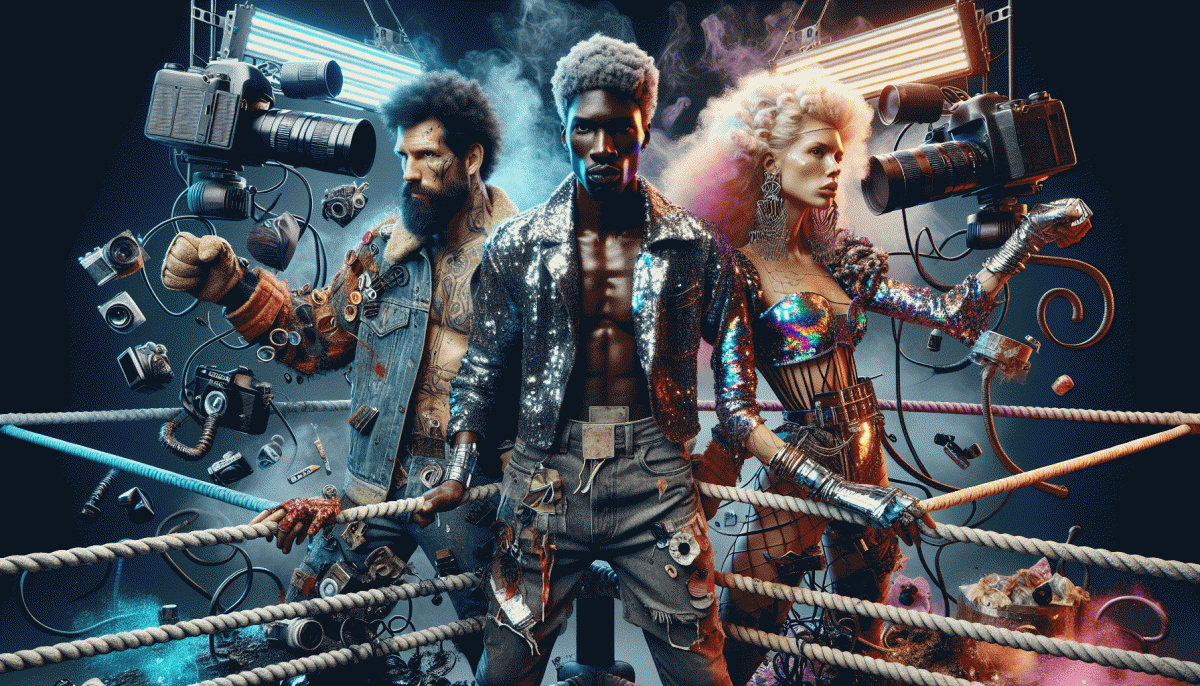
Raw vs Flashy vs Weird: The Creative Cage Match No One Saw Coming

Raw vs. Flashy vs. Weird: We Ran the Showdown—Guess Which Style Actually Wins?