
Raw vs Flashy vs Weird: The Creative Cage Match Marketers Need to See
When Keeping It Real Converts: The Power of Raw
People buy feelings before they buy features. Raw content cuts through polish by giving viewers a tiny human pulse to connect with: a cracked smile, an audible inhale, a candid confession. That imperfect signal tells the brain this is real, relatable, and worth paying attention to—especially when feeds are saturated with studio-perfect noise.
Turn authenticity into action by simplifying your production playbook. Shoot with a phone, keep edits to jump cuts and a single caption, and swap scripted monologues for one honest line. Use concrete CTAs like "try this" or "tell me your version" instead of vague pushes. The trick is to pair low production cost with high idea clarity so viewers can act in the moment.
When you want scale without losing grit, plug into targeted distribution that respects the vibe. For example, test landing a few raw posts while amplifying reach via instant Instagram growth boost to see whether authenticity converts at larger audience sizes. Keep the creative unfiltered and let the paid reach expose true resonance.
Measure what matters: comment depth, saves, story replies, and assisted conversions from organic posts. Run A/B slices where one creative is glossy and one is raw; compare not only CTR but downstream actions like signups and return visits. Small experiments scale insight fast.
Start today: pick one idea, record it handheld, ask a single open question in the caption, and track responses for a week. Iterate on human detail, not more effects. Authenticity is not a checkbox, it is a repeatable habit that compounds.
Spectacle Sells: How Flashy Hooks Scrollers Fast
Attention in feeds is a sport of milliseconds. A flashy hook wins that sprint by leaning into sensory shorthand: bold contrast, sudden motion, loud or quirky sound, and a tiny narrative promise that fits on a thumbnail. Think of the first frame as an elevator pitch where you must make viewers stop mid-scroll with a small, irresistible shock.
Practical shortcuts beat cleverness when time is scarce. Lead with a clear visual cue in the first 0.8–2 seconds, use jump cuts to maintain momentum, add a crisp caption or overlay that states the payoff, and match audio to motion so the brain gets a double nudge. Test thumbnails, trim the fat, and treat the opening like a headline rather than background noise.
- Tease: Promise a single, specific payoff in the opening frame so curiosity has a target.
- Pace: Keep edits tight; every frame must push the viewer closer to the reveal.
- Flip: Insert one unexpected element that makes the content memorable and shareable.
Flashy does not have to be shallow. Convert attention into action by delivering on the initial promise within the next 3–10 seconds, then guide viewers to the next step: comment prompt, save-worthy detail, or a clear CTA. Use pinned replies, follow-up clips, or carousel slides to deepen the story so spectacle becomes a funnel, not a one-off surprise.
Finally, choose flashy strategically. Use it to launch ideas, amplify trends, or win awareness fast; reserve raw for relatability and weird for distinctiveness. Run small A/Bs to compare watch-through and CTR, keep a brand thread so spectacle feels authentic, and iterate until flashy hooks reliably lead to real engagement.
Delightfully Strange: Why Weird Wins Attention You Keep
Weirdness wins because the brain is a pattern detective—when something violates expectation it lights up curiosity circuits. That jolt is your golden ticket: attention that's active not passive. Use small, delightful mismatches (a tone, a prop, a caption twist) to interrupt scrolling without alienating readers.
Odd pairings stick. Combine familiar anchors with one weird element—a retro font with a hyper-modern product, a polite CTA that tells a joke—to boost recall. Neuro research shows novelty enhances memory encoding; in practice, a single unexpected sensory detail can make your message the one person remembers and shares.
Three easy levers: contrast (a bright visual or opposite tone), micro-surprise (one absurd line in the headline), and consistent persona (let your brand be delightfully odd across touchpoints). Start tiny: swap one image or rework one headline per campaign. If it flops, dial back—if it hums, double down.
Measure the weird like you would a promotion: track click-throughs, view-through retention, and social shares rather than vanity impressions. Run quick A/Bs with short durations and qualitative follow-ups—ask a sample audience what puzzled them and what stuck. The answer directs fine-tuning faster than guessing.
Weird isn't reckless. Calibrate by audience and context: what delights teens might confuse legacy buyers. Keep a safety net—brand colors, voice anchors, or a tiny explanatory line that preserves trust. Then treat weirdness as an ongoing experiment: iterate, document, and harvest the attention you actually keep.
Pick Your Fighter: A 5-Question Quiz to Find Your Brand Style
Think of this little quiz as speed dating for your brand voice: five targeted questions that push you toward Raw, Flashy, or Weird. Answer fast, trust your gut, and you will get a clear direction you can test this week. No long workshops, just usable signals.
Below are the three style archetypes your results will land in — use them as shorthand when you audit messaging or brief creatives:
- Raw: No-frills honesty, behind-the-scenes access, and human imperfections turned into trust magnets.
- Flashy: High-energy visuals, punchy hooks, and bold promises that stop the scroll.
- Weird: Offbeat humor, unexpected metaphors, and joyful oddities that build devoted fans.
When you are ready to amplify whatever style you pick, try this next move: get Instagram promotion to prototype reach quickly and learn what wording actually lands.
Scoring is simple: most answers pointing one direction = that style. If you are split, combine the top two into a hybrid test. Run three micro-experiments in a week, measure engagement, and double down on what creates momentum.
The Remix: Blend Raw, Flashy, and Weird With a Clean Strategy
Think of your next campaign as a cocktail: a shot of raw honesty, a splash of flashy polish, and a twist of weird. The trick is not chaos—rather a tidy bar cart. Name the brand truth, pick style levers you can measure, and define non-negotiable brand rules so the mix never tastes accidental.
- Constraint: Set one visible constraint per campaign (budget, format, or tone) to force creativity.
- Experiment: Run small variant tests that swap one element—visual, headline, or odd hook—so learning compounds.
- Measure: Track one primary metric plus two qualitative signals (comments, shares) to judge cultural lift.
Put your guardrails and launch plan where everyone can see them. Need a fast, practical place to start? order Instagram boosting gives quick signal velocity—test ideas, kill losers fast, and double down on the surprise winners.
Then operationalize: a weekly inbox of winners, biweekly creative sprints, and a weird-friendly editor who says yes more than no. When raw, flashy, and weird all have a referee, you stop guessing and start stacking dependable hits.
Read also
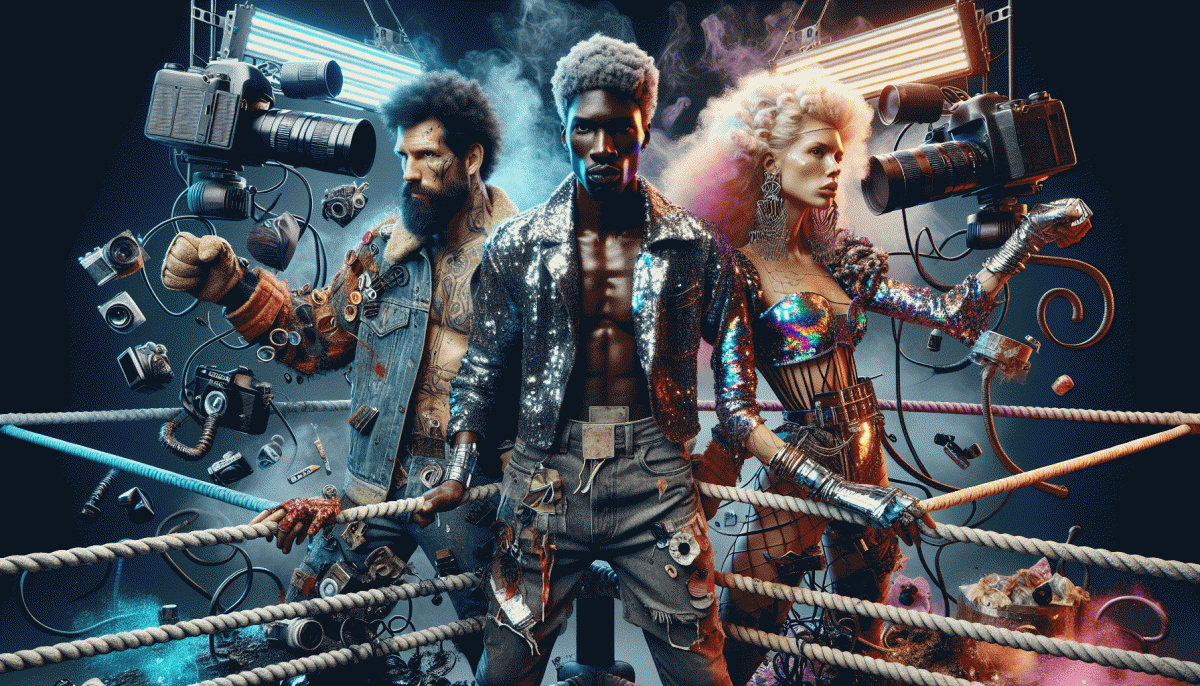
Raw vs Flashy vs Weird: The Creative Cage Match No One Saw Coming

Raw, Flashy, or Weird? The One Style That Crushes Conversions Might Surprise You

Raw vs. Flashy vs. Weird: The Showdown Your Brand Didn’t Know It Needed

Raw vs. Flashy vs. Weird: We Ran the Showdown—Guess Which Style Actually Wins?

This 3x3 Creative Testing Framework Saved Us Thousands—Steal the Playbook