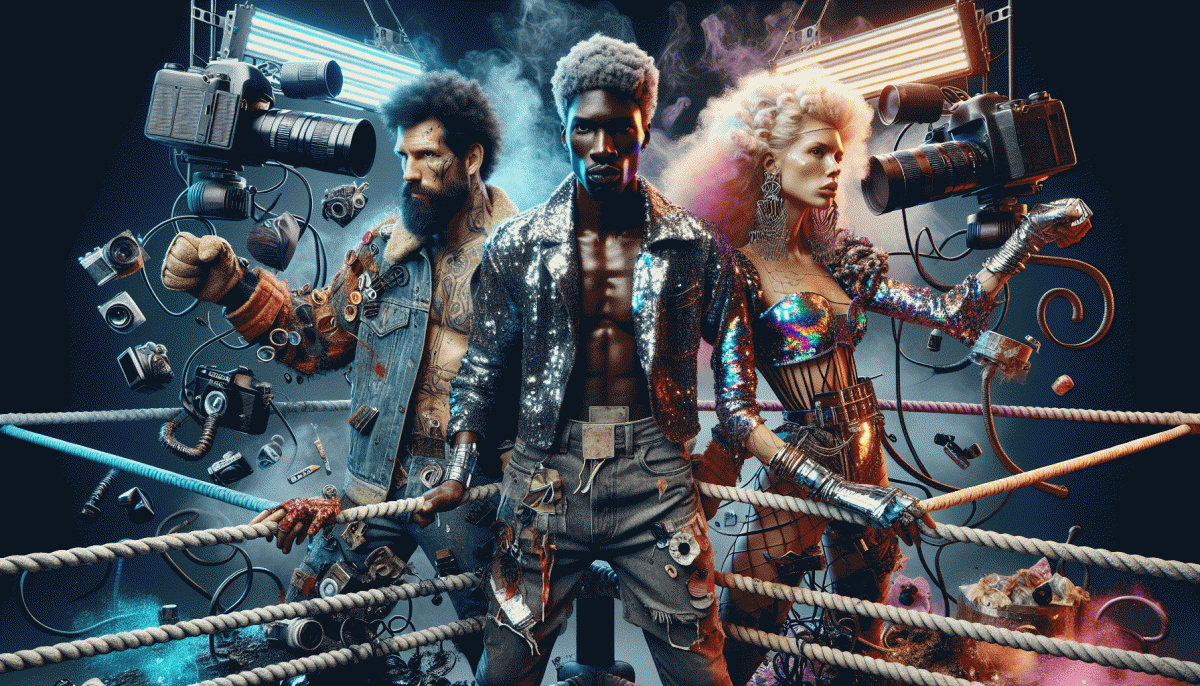
Raw vs Flashy vs Weird: I Tested Them Head-to-Head and the Winner Shocked Me
Why Raw Works: Trust Beats Polish (Most Days)
Raw content lands like a friend dropping by with coffee: unvarnished, human, and oddly persuasive. When a clip shows a glitch, a blooper, or a candid aside, viewers read authenticity into the frame. People lean in when they feel like insiders. That sense of proximity usually beats a rehearsed sheen.
Trust fuels attention. Audiences share what feels genuine, comment more, and forgive small flaws when creators feel approachable. Algorithms will amplify engagement spikes, but real conversions follow belief in the person behind the camera. A raw moment can create a signature that a glossy ad rarely matches.
Make raw work with a few rules. Keep to one idea per clip and lead with a human detail. Show one small vulnerability or mistake to humanize the message. Film with steady enough framing, not perfect gear; use captions, honest thumbnails, and timestamps to underscore candor. Reply to the top comments quickly and let natural reactions become the hook.
For a low risk boost that preserves authenticity try boost your YouTube account for free and watch which content earns trust. Small nudges plus honesty often outperform flashy stunts, so bet on personality over polish and let community do the proof. Think of polish as seasoning, not the main course.
Flashy for the Win? The Metrics Behind High-Gloss Hype
Glossy creatives get attention because the math loves them: higher impressions, better CTRs, and often a bump in average watch time. The sheen of fast edits, punchy thumbnails and cinematic lighting isn't just eye candy — it reliably moves eyeballs in the discovery phase, which means more data to optimize from day one.
But vanity numbers lie unless you chase the right metrics. Don't confuse spikey CTR with sustained value: track downstream metrics like conversion rate, cost per acquisition (CPA), retention at 7/30 days and comment sentiment. If CPM drops but CPA spikes, your glossy ad is fishing in the wrong pond. Treat impression-to-action as a funnel and instrument micro-conversions so you can see where gloss helps and where it hurts.
Run controlled experiments: A/B thumbnails, creative lengths, and pacing, then segment results by source and cohort LTV. Use flashy assets to win discoverability, then retarget engaged users with authentic or weird creative to improve retention and lifetime value. Also build a refresh cadence to preempt creative fatigue — what dazzles once won't win forever.
Three quick plays to try now: Test fast thumbnails for higher CTR, measure downstream conversion not just clicks, and pair gloss with authenticity in retargeting. Do that and the high-gloss hype starts paying rent.
The Power of Weird: Pattern Breaks That Stop the Scroll
Weirdness is not chaos for chaos sake; it is a deliberate nudge that makes the brain pause and inspect. A single offbeat choice — a strange image, a bluntly honest line, a sound that feels slightly off — creates a pattern break that says STOP. That micro-suspension is the difference between a mindless flick and a double-tap.
To use weird effectively, sandwich it between signals of clarity: one unmistakable value proposition, the odd element, then an obvious next step. Keep the core promise familiar so the weird moment reads as a surprising flourish, not an identity crisis. Test one surprise at a time so you know what actually caused the lift.
Try these quick swaps to inject delightful friction into your feed:
- Hook: Replace a predictable headline with a phrase that feels like a private joke.
- Texture: Introduce a tactile visual — a close-up, grain, or deliberate glitch — that forces eyes to linger.
- Switch: End a clip with an unexpected cut or caption that reframes the message.
Want to test a weird-led campaign with a fast audience boost? Click get Instagram followers instantly to kickstart reach and learn which pattern breaks actually move metrics. Track watch time, CTR, and comments as your north star; if people talk, you broke the scroll in all the right ways.
Style Matchmaker: Pick the Right Vibe for Funnel Stage and Goal
Think of vibe selection like a wardrobe choice for a date with a brand goal. For awareness you want something that stops the scroll; for consideration you need something that holds attention; for conversion you need something that reduces friction and builds trust. That is where the Raw, Flashy, and Weird play different roles rather than being mere stylistic labels.
Top of funnel: Flashy is the quick opener when the aim is views and reach. Think short, kinetic clips, bold color palettes, and a hook in the first two seconds. If the priority is authentic connection, Raw content wins by feeling unfurnished and human on platforms that reward candidness like TT or Instagram Reels. Pick Flashy for attention, Raw for shareable candor, and track CPM and view through rate as your north star.
Middle of funnel: This is where Weird shines because oddball content filters in curious people and weeds out casual scrollers. Use recurring quirks, offbeat framing, or playful reframes to create memory anchors. At the same time, Raw product demos, behind the scenes, and honest FAQs keep credibility high. Measure watch time, click rates to product pages, and comment quality to know which vibe is actually courting intent.
Bottom of funnel: Keep it practical. Flashy assets amp limited time offers with urgency, but sustainable conversion comes from Raw social proof plus a tasteful dash of Weird to reward loyal fans. Tactical recipe: map vibe to the metric you want to move, run tight A B tests across formats, then double down on the combo that improves conversion rate and LTV.
Run the Showdown: A Simple 7-Day Test to Prove What Converts
Treat this like a backyard cook-off: pick the three creative directions you want to test — the scrappy 'raw', the attention-grabbing 'flashy', and the oddball 'weird' — then make one clear offer and identical CTA for each. Over seven days, feed them equal impressions and identical posting windows so you're comparing apples to apples, not apples to fireworks.
Produce three assets: same headline, same offer, different tone and visual. Schedule them to hit the same audience segment at the same times (or use platform A/B split), and set a single conversion metric — lead signups, purchases, or email captures. Track daily: impressions, CTR, conversion rate, cost per conversion. If you're low on budget, run sequential rotations (A, B, C, A, B, C...) to avoid sampling bias.
Judge winners by conversion quality, not vanity metrics. A flashy video might get more clicks but deliver flakier leads; raw authenticity could convert fewer people but with higher LTV. Look at post-conversion engagement (open rates, repeat purchases) alongside conversion rate. Use a simple threshold (for example, a 20% lift or 95% confidence if you can) to declare a winner; otherwise extend the test two more days and re-check.
When you have a winner, double down fast: scale the creative, bank the messaging, then iterate — tweak headlines, colors, lengths. Don't be afraid to let 'weird' run again after optimization; the shock factor adapts. Think of this 7-day showdown as a lab: fast, dirty, and decisive — science with personality.
Read also

We Pitted Instagram Formats Head to Head — Here Is the One That Crushes Engagement

Raw, Flashy, or Weird? The One Style That Crushes Conversions Might Surprise You

Raw vs. Flashy vs. Weird: The Showdown Your Brand Didn’t Know It Needed

We Pitted Instagram Formats Head to Head - See Which One Blew Up Engagement

Stop Scrolling: Hooks That Actually Work in 2026 — We Tested Them So You Can Skip the Guesswork