
Never Cringe on Instagram Live Again: Steal This Foolproof Go-Live Playbook
Prep Like a Pro: The 10-Minute Run-of-Show That Saves Your Bacon
Treat the ten-minute run-of-show like a stage play. Pick one measurable outcome — signups, demo clicks, or follower lift — then build a two-line opener that hooks, a three-sentence value delivery, a brief audience interaction, and a one-sentence close. Write the plan on a sticky note and rehearse once at speed to avoid surprise.
Timeline in plain terms: 0–2 minutes for a tech check and a warm greeting, 2–4 for the hook and the promise of value, 4–7 to deliver the main piece with tight beats and a clear example, 7–9 for an audience play — call out comments or ask a quick poll — and 9–10 to restate the offer, drop a simple CTA, and sign off.
Micro checklist to prevent panic: fully charged device and charger nearby, wired mic or reliable Bluetooth, soft front light, tidy background, stable internet, backup battery or phone, a second device logged in to watch comments, links copied to clipboard, notifications silenced, and a pinned comment ready to drop the CTA. Do a 60-second AV test before you go live.
Rehearse the loop once in real time. Put three cues on one card: Open, Value, Close, and wear a watch or set a visible timer so you hit marks. If you stumble, name it, smile, and pivot with a rehearsed line so you look calm and in control. Repeat the process weekly until it feels natural.
When you want a visibility lift to pair with this template, try Twitch boosting service and then run the ten-minute schedule. Ten consistent takes and live video will go from terrifying to a reliable growth channel and a lot more fun.
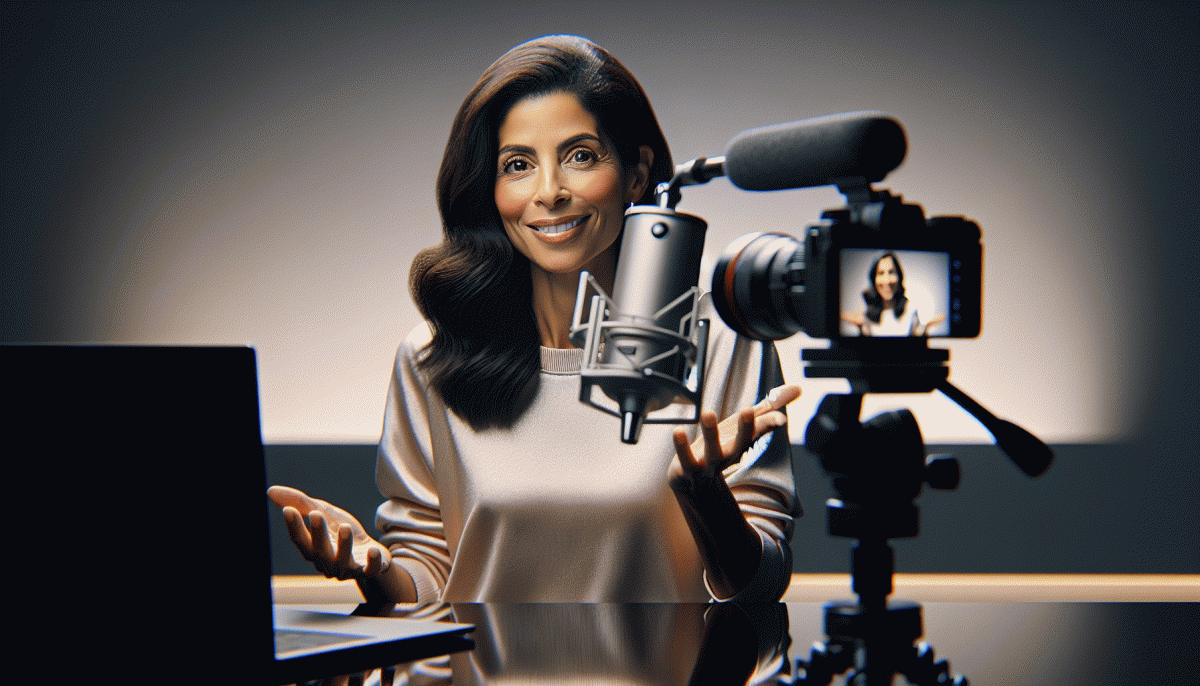
Look and Sound Legit: Lighting, Framing, and Audio Made Ridiculously Simple
Think in terms of "camera, light, mic" — small tweaks here make your live feel like a produced show, not a shaky confession booth. Start with what you can control in five minutes: move near a window, prop your phone, and silence notifications. This alone kills 70% of awkward vibes.
Light: face the brightest source. If sunlight is harsh, diffuse with a white curtain or a sheet of paper between you and the window. Avoid ceiling lights that cast dark eye sockets; a soft front light from a ring lamp or desk lamp bounced off a white wall works wonders.
Frame: put your eyes about one-third down the frame and keep headroom tight but natural. Eye-level + slight tilt toward camera makes you look confident. Use a tripod, stacked books, or a selfie clip; clean the background and remove anything that screams "I forgot to tidy."
Audio wins more hearts than perfect lighting. Clip-on lavs, basic USB mics, or even wired earbuds beat built-in mics every time. Test levels, monitor with headphones if possible, and reduce room echo with blankets or a rug. Mute apps that might chirp mid-stream.
Before you hit Live: check that your face is lit, your eyes are framed, and your voice is clear. If anything goes off, keep breathing and keep talking — confidence is the best polish. Do this consistently and your audience will focus on your message, not the mess.
Hook, Hype, and Handle Chat: Prompts That Spark Real-Time Engagement
Open with something so tiny and specific that viewers can react in a heartbeat: a one-line dare, a one-word poll, or a rapid-fire challenge. Try lines like "Type 1 if you are team morning, 2 if night," "Name the worst advice you ever got," or "Guess this in 10 seconds." Those micro-prompts create instant motion — people feel safe chiming in because the cost to participate is tiny and the payoff is immediate.
Plan your first 60 seconds like a movie trailer: hook, tease the payoff, then hand chat a simple job. If you want to seed that initial momentum, consider a small visibility push — for example boost TT can fill the room early so your chat looks lively and real people stay and join the conversation. A busy room does half the engagement work for you.
Use these plug-and-play prompt categories to keep energy flowing:
- Openers: Quick, no-pressure starters that invite one-word replies.
- Risers: Escalating bets or challenges that demand follow-up and stories.
- Pin Prompts: Voteable choices or mini-polls you can pin so latecomers jump in fast.
Handle chat like a host with a clipboard: set canned replies for FAQs, call out names, reward good comments with a shoutout, and use binary choices to avoid long, stalled threads. If someone derails, redirect with a playful rule and a new prompt rather than a lecture. Finish every segment with a clear next step — "vote, then I reveal," "share and I pick a winner" — and you turn scrolling lurkers into active participants without any awkward pauses.
When Stuff Goes Sideways: Fixes for Dead Air, Trolls, and Tech Gremlins
Live hiccups are inevitable, but panic is optional. Start by naming the problem out loud—your audience hates mystery as much as you do—then bridge to a backup: a quick story, a two-minute Q&A, or a playlist that fills the silence. Keep your voice calm, set a firm ETA, and have a visible countdown so viewers know you're on it.
For dead air, carry three canned fillers: a one-liner recap, a shoutout roll-call of commenters, and a micro-demo you can launch with one click. Label them on your stream deck or desktop so you can trigger without thinking. Pin a comment asking for questions, read aloud usernames, and use a branded bumper to mask transitions; muscle memory turns awkward silence into a smooth pivot instead of a cringe reel.
Trolls crave attention—don't hand it over. Appoint moderators before you go live, teach them a short script and a code word to escalate, and use platform moderation tools to mute or block instantly. When possible, neutralize with humor, redirect the room to a hot topic, or offer a firm, one-line policy reminder. If they persist, ban and move on; protecting the vibe trumps proving a point.
Tech gremlins love timing. Before you go live, have a phone with the broadcast app ready as a hot swap, a charger in reach, and a mobile hotspot plan. Run a quick speed test, save an OBS scene for single-camera mode, and keep a tablet or webcam handy as a capture-card fallback. Know how to lower bitrate, switch audio sources, and restart your stream without losing chat.
Turn these steps into your go-bag: a 30-second salvage script, three fillers, a moderator roster, and a hardware fallback. Tape that plan to your monitor and rehearse it until it feels boring. After a glitch, jot what saved you and what failed. The goal isn't perfection; it's a calm recovery that keeps viewers engaged and wanting more.
Turn One Live Into Ten Wins: Repurpose for Reels, Posts, Email, and Sales
Think of your live as a content goldmine — don't let it vanish after the last "goodbye." Map four quick outputs before you go live: Reels-worthy hooks, a carousel of teachable moments, an email that sells, and short clips for ads/stories. That mental checklist turns one nerve-wracking hour into ten measurable wins.
For Reels, hunt for the single 5–20 second aha moment. Trim to vertical, punch up the first 3 seconds with a bold caption or question, add subtitles and a tappable thumbnail, and finish with a micro-CTA (watch the full live, download, DM). Export multiple versions: 15s, 30s, and 60s — each targets different viewer habits.
Make a carousel by splitting the episode into 3–7 visual tips. Each slide is a promise + a takeaway: headline, example, quick action. Use one strong quote as a standalone image to boost saves and shares. In the caption, timestamp the full live and invite people to join your next session.
Turn the transcript into an email that reads like a conversation. Lead with a bite-sized story or statistic from the live, use a subject line featuring a bold clip quote, then include 2 CTAs: a soft link to the replay and a clear sales offer with scarcity. Add social proof pulled from live comments.
Systemize it: timestamp, tag highlights, batch-edit overnight, and schedule distribution over two weeks. Track which clip formats hit hardest and double down next time. Do this consistently and you'll stop hoping lives land — you'll engineer outcomes.
Read also
Go Live on Instagram Without the Cringe: Steal These Pro Tricks to Wow Viewers

Instagram Live Without the Cringe: The Unfair Playbook They Don't Want You to Use

Go Live on Instagram Without Cringe: The Shockingly Simple Playbook

You’ve Been Doing Instagram Live Wrong—Do This Before You Hit ‘Start’

This 3x3 Creative Testing Framework Saved Us Thousands—Steal the Playbook