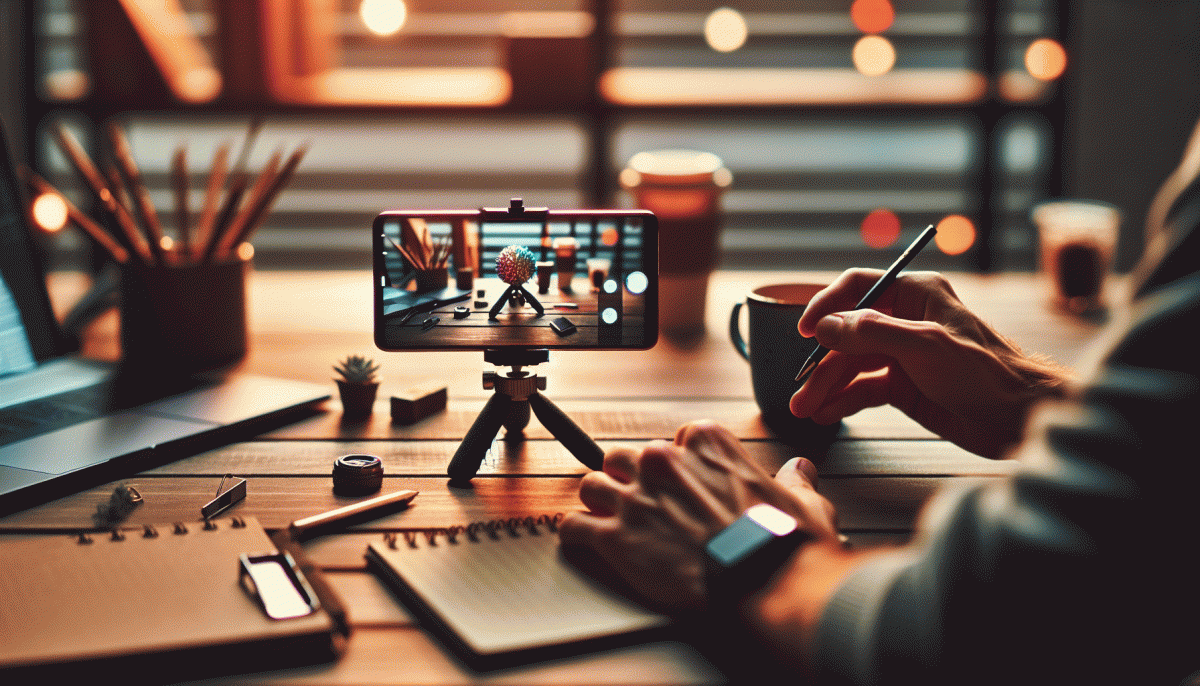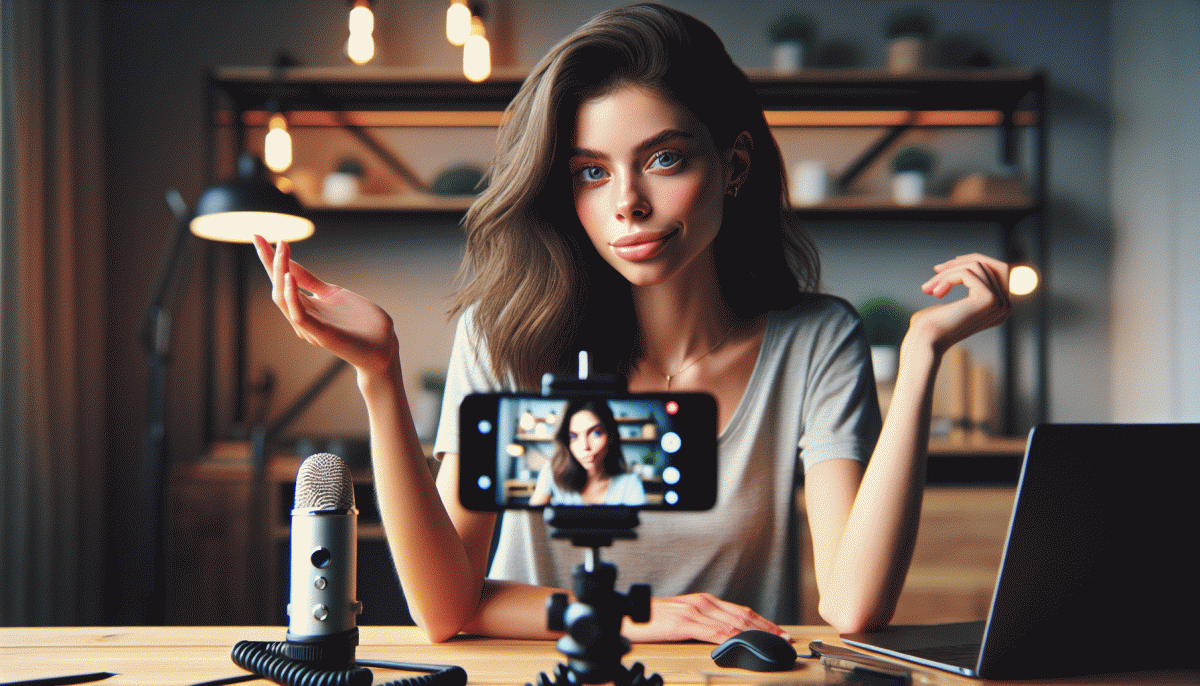
Never Cringe Again: Instagram Live Done Right (Without Embarrassment)
7-Point Pre-Flight Checklist That Crushes Awkward Starts
Think of this as your pre-flight briefing so your first 30 seconds feel like a smooth taxi instead of a faceplant. Quickly run seven checkpoints in your head: audio, network, power, lighting, background, a one‑line opener, and a backup/helper. Treat them like a runway inspection — miss one and you're still airborne, miss a few and you'll wish you'd stayed grounded.
Audio deserves first billing: use a headset or lavalier, set mic gain low enough to avoid clipping, and do a 10‑second record-and-playback to catch hiss or echo. For network, prefer Ethernet or a strong 5 GHz Wi‑Fi, close bandwidth‑hungry apps, and have phone tethering ready. Plug in power or charge to 100% so your stream doesn't bail mid-sentence.
Lighting and visuals sell professionalism. Put your light in front, not behind, and raise the camera so it hits at eye level. Declutter the frame, add one branded prop, and check what's visible in the background camera preview. Draft a one-sentence opener that hooks — say your name, promise the value, and invite the first question — and practice it until it sounds natural, not scripted.
Finally, rehearsal beats hope: do a full 60‑second run with a friend or test account, pin a welcome comment, assign someone to moderate chat, and prepare a simple CTA you can repeat. If anything goes wrong, acknowledge it with humor and move on — viewers empathetically forgive energy, not chaos. Take a deep breath, smile, and hit Go with confidence.
Lighting, Audio, Angle: The 5-Minute Setup That Looks Studio-Ready
Think of this as a five minute backstage routine that makes you look like you rehearsed for hours. Start by clearing a small space and turning off noisy appliances. Set a timer for five minutes and work in three quick zones: lighting, audio, and angle. The trick is small, smart moves that remove distraction so your personality can headline the show.
For lighting, work with what you have. Face a window for soft, flattering light or put a lamp behind a diffuser (a white pillowcase works in a pinch) to avoid harsh shadows. If you own a ring light, set it one head length away and warm it slightly to match daylight. Keep a second, weaker light as a fill on the opposite side to tame contrast. Use your phone camera's exposure lock so brightness does not jump mid-stream.
Audio and angle win or lose the vibe. Clip a small lavalier mic to your collar or use earbuds with a built in mic and keep it close to your mouth. Close windows, pause notifications, and do a 10 second sound check. For angle, elevate your camera to eye level on a stack of books or a cheap tripod, tilt slightly down for a flattering look, and frame from mid-chest up so gestures read on screen. Sit a comfortable arm's length from the lens so your face stays the focus.
Last minute checklist: soft front light, low room noise, eye level camera, and a quick test. Want a tiny promotion to pair with your polished presence? Visit LinkedIn boosting service to explore options for getting your next live seen by more people. Now breathe, smile, and go live without the cringe.
Open Strong: Icebreaker Hooks That Keep Viewers From Swiping Away
First impressions on Live are brutal: viewers decide in a blink. Your opener should be a tiny, audible headline that sparks curiosity and promises value — not a rambling hello. Aim for a sharp one-liner that combines curiosity + benefit, delivered with confident energy and a deliberate pause so people can process the tease. If you give them a cliffhanger plus a quick payoff, they stick.
Use one of three reliable hook engines to start every broadcast; rotate them so your intros stay fresh:
- Teaser: Drop a bold result they want to see, e.g., "How I doubled my reach in 7 days — stay 30 seconds and I’ll show you."
- Challenge: Dare them to watch or participate, e.g., "I bet you can’t name your top growth mistake in 10 seconds — go!"
- Reveal: Promise a surprising fact or hack, e.g., "Most creators ignore this tiny tweak that triples saves. I’ll reveal it next."
Turn formulas into scripts you can actually say: "Stop — don’t scroll. In 60 seconds I’ll show one tweak that got me 3x saves." Or "Quick challenge: type YES if you’ve tried ads and failed — I’ll explain why in 30 seconds." Practice these until they sound offhand, not rehearsed. Keep energy up, smile with your voice, and cue the chat: ask a question at 10 seconds to lock engagement.
Finally, test and iterate: A/B two openers across streams, pin the one that wins, and always put your CTA inside the first 20 seconds. The goal isn’t perfection — it’s to stop swipes long enough to earn attention. Be bold, be playful, and let the opener do the heavy lifting.
Chat Like a Human: Real-Time Engagement Moves That Don't Feel Thirsty
Think of your live as a cozy coffee chat, not a broadcasted infomercial. Start by setting a tiny intention—what one piece of value will someone leave with? Treat people like friends you invited over: notice names, nod at ideas, and keep your tone curious. When you orient toward connection first, the follow-up asks feel natural instead of pushy.
Use micro-engagements to keep momentum: call out a commenter by name, riff briefly on their point, then swing back to the broader story. Keep responses to 15–30 seconds so the flow doesn’t bog down. Sprinkle in callbacks to earlier moments ("remember when we said X?") to reward long-time watchers and make newcomers feel they joined something live, not staged.
- Warmup: Start with a one-sentence prompt and invite a quick emoji reaction — low effort, high participation.
- Pace: Alternate 60–90 seconds of monologue with 30 seconds of audience check-ins to avoid the lecture vibe.
- Pivot: If engagement dips, ask a simple either/or question to get immediate replies and regain momentum.
Don’t weaponize every comment into a sales ladder. Instead, harvest questions into a mini-segment: "Top three tips from chat" or "Live Q&A highlight." Use pinned comments to surface next steps (like a downloadable or a follow-up session) so your ask lives in the experience rather than interrupting it.
Finally, practice like you’d rehearse improv: set a 10-minute run where you only respond to comments and don’t try to pitch. You’ll get fluent at human-sounding turns of phrase, learn your natural rhythm, and discover that authenticity converts better than any canned CTA. Breathe, listen, and let the conversation lead.
After the Live: Repurpose Clips Into Posts, Reels, and Revenue
You just wrapped a Live — congratulations. The performance is not over when the red dot goes away; the recording is raw material. Scan the feed for moments that landed: a laugh, a clear tip, a bold opinion. Those become your bite sized social currency, letting you stay visible without forcing another live session.
Batch creation is your friend. Export with captions on, note timestamps, and build three core outputs from every session:
- Highlight: 30–60s action-packed clip for Reels or short form video
- Tip: 15–20s standalone advice for a post or story
- Clip: Short Q&A excerpt to spark comments and saves
Edit with a fast hook in the first three seconds, bold captions, and a clear CTA. Use analytics to double down on what works and consider boosting a top clip via Instagram promotion service if you want faster reach. Finally, turn recurring segments into products: stitch clips into a mini course, package Q&A highlights as a paid download, or offer sponsored follow ups. Repurpose smart, not hard, and revenue will follow the attention.
Read also
Go Live on Instagram Without the Cringe: Steal These Pro Tricks to Wow Viewers
Instagram Live Without the Cringe: The Unfair Playbook They Don't Want You to Use
Live on Instagram Without Embarrassment: Pro Secrets That Actually Work
Go Live on Instagram Without Cringe: The Shockingly Simple Playbook
You’ve Been Doing Instagram Live Wrong—Do This Before You Hit ‘Start’