Never Cringe Again: How to Do LinkedIn Live Like a Pro
The 10 Minute Prep Ritual That Prevents Awkward Silence
Ten minutes before you go live is a tiny window that decides whether you spark or sputter. Treat it like a preflight checklist for charisma: one clean tech pass, a short body and voice reset, and a rehearsed 30-second opener that feels human, not scripted. Do that and awkward silence becomes an urban legend.
Minute 10–7: tech sweep. Check angle, background, mic level, and chat visibility so you can actually see who is talking. Minute 6–4: physical warmup. Roll shoulders, loosen the jaw, inhale slowly to drop adrenaline, and say a quick tongue twister out loud. Minute 3–1: craft your opening beats — friendly greeting, one clear benefit for viewers, and a toss-up question they can answer in chat. Hit Live smiling.
- Warmup: Two deep breaths plus a one-line vocal exercise to sound present.
- Hook: A concise benefit statement that promises value in under 10 seconds.
- Fallback: A ready-to-use question for chat to banish silence instantly.
Practice this ritual five times and make it nonnegotiable: save a 30-word opener on a sticky note, set Do Not Disturb, keep water ready, and name one metric to watch so you open with confidence. The goal is to replace anxiety with a tiny, repeatable routine that makes you look like a pro every single time.
Look and Sound Polished on a Budget: Gear and Setup That Just Works
Polish isn't an expensive habit — it's a set of smart choices. Start by prioritizing what people actually notice: clear eyes, steady framing, and sound that doesn't whisper secrets to your audience. You don't need pro studio racks; you need a camera that focuses, a mic that captures you, and a light that flatters instead of blinding.
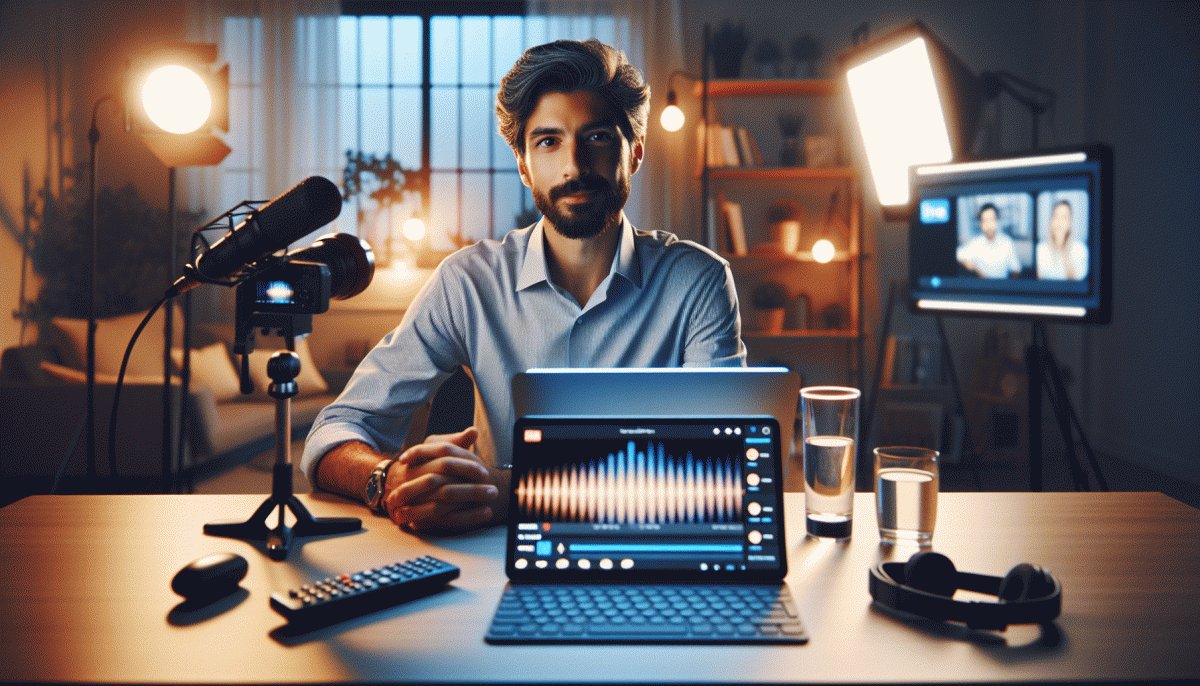
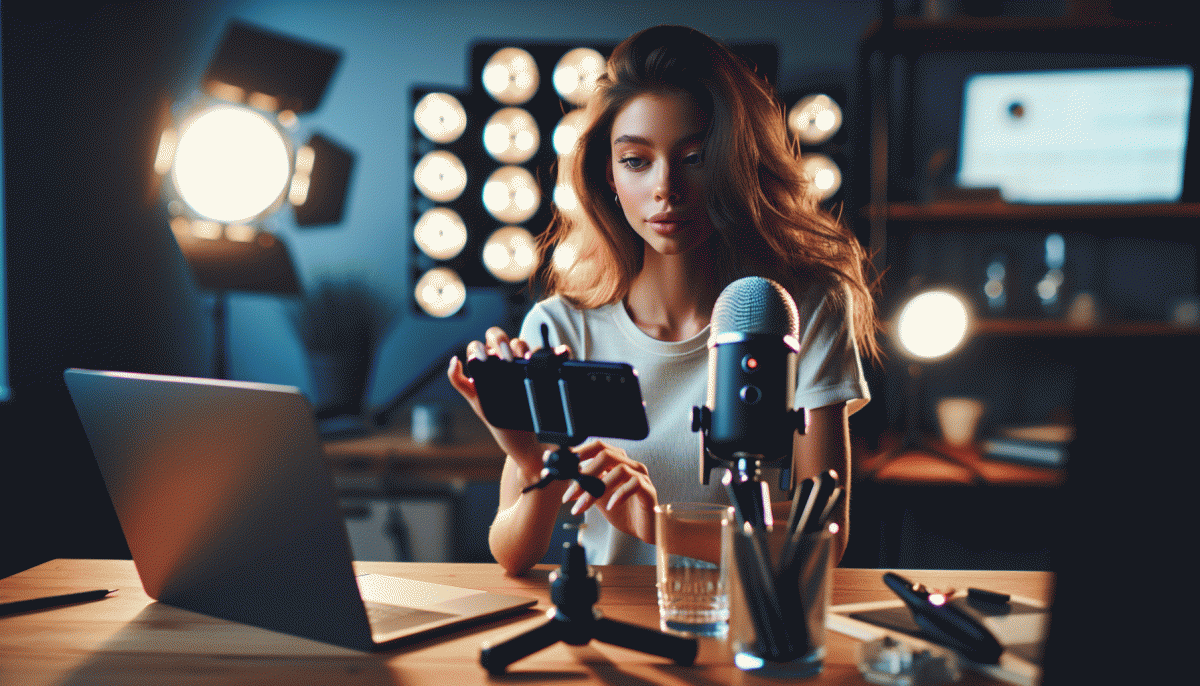
For camera, use a recent smartphone on a tripod or a budget 1080p webcam angled at eye level. Pick a USB condenser or a lavalier mic for clean voice — they're cheaper than frustration and way less cringe-inducing than laptop mics. A small LED panel or a dimmable ring light with a diffuser gives soft, flattering light without blowing your power bill. Add a cheap tripod, clamp, and a pair of foam panels or a blanket behind you to tame echoes.
Set up like a pro: raise the camera to your eye line, place the key light at 45° and slightly above, and put the mic 6–12 inches off to the side aimed at your mouth. Use headphones to monitor feedback, close noisy apps, and set your streaming app to mirror your preview so gestures hit the frame. If bandwidth is shaky, lower resolution — it's better to be steady than pixelated and laggy.
Before going live do a 3–minute dress rehearsal: check framing, audio levels, lighting, and mobile backups. Save presets in your broadcasting app so one click gets you camera, mic, and light where they belong. With a little setup and practice, you'll sound and look like you hired a crew — without hiring one.
Hook Viewers in 7 Seconds: Cold Open Scripts That Stop the Scroll
Think of the first 7 seconds like a subject line for a live stream: if it does not land, the viewer scrolls. Open with a tiny mystery, a clear benefit, or a bold number — not a yawning hello. Set an immediate expectation (for example, "watch for one sentence that fixes X") and use a visual cue, like leaning in or holding up a prop, so people stop mid-scroll.
- Shock: "I just eliminated 40% of my hiring headaches — in 10 minutes." Pause, then promise the one tactic.
- Offer: "Free template in the chat in 60 seconds — no signup." Show it immediately on screen and tell viewers how to grab it.
- Secret: "Most leaders ignore this three-word email that closes deals." Say the three-word line after a beat and tease the logic behind it.
Deliver that first line like you are telling a secret to one person: clear voice, a two-second breath, then a beat. Mirror your thumbnail energy and keep camera framing tight. If you stumble, lean into it — call it a demo and pivot to the value. The goal is rehearsed but human, not robotic.
Record three different 7-second opens, run them across two streams, and note drop-off after 7, 15, and 30 seconds. The winner is the one that makes people stay past the tease. Repeat the loop: hook, deliver, repeat — practice these cold opens until stopping the scroll becomes second nature.
From Chat to Pipeline: Turn Live Interactions into Leads
Live chat is not small talk. Treat it like the top of a funnel by directing conversations toward one simple action: learn more, book time, or grab an exclusive asset. Before you go live, script three convertible moments: an opening CTA, a midstream incentive, and a closing ask that feels natural rather than salesy.
Make it effortless for viewers to say yes. Pin a one-line CTA, drop a short sentence in chat you can copy and paste, and have a micro-form ready (role, name, email) or a calendar link you can DM. Use short UTM tags and a notes field so every incoming lead is traceable and ready for follow up.
Amplify reach so your pipeline fills faster. If your broadcasts need more eyeballs, consider sensible growth levers like paid boosts or reputation vendors; a quick option is trusted site buy Twitter followers to increase social proof before a big event. More viewers equals more conversations and more conversions.
After the stream ends, move chat into action within 24 hours. Send personalized messages referencing exact comments, deliver promised assets, and invite top leads to a brief discovery call. Automate the mundane parts but keep the first outreach human: a name, a one-line recap, and a clear next step will win trust quickly.
Measure what matters and repurpose relentlessly. Track lead source, conversion rate, and time to first meeting. Clip high-engagement exchanges into short socials, then retarget those who watched but did not opt in. Repeat what worked, iterate on the rest, and you will have a predictable, cringe free pipeline from live chat.
When Tech Fails: Panic Proof Recovery Plans for Live Streams
When the glitch monster arrives, lead with calm. Narrate what is happening in plain English and keep the camera or avatar on screen while you work. An engaged audience forgives a hiccup faster than silence does, so give a quick status update, set expectations for recovery time, and pivot to audience interaction while systems reboot.
Have a lightweight toolkit ready for instant use:
- ⚙️ Backup: Switch to a secondary streaming device or encoder that is preconfigured and one click away.
- Hotspot: Use a phone hotspot and mobile encoder app as a network fallback to keep audio and video alive.
- Script: Bring up a short pre recorded clip or a branded slide deck to run while you fix the live feed.
Assign roles before going live so no one improvises under pressure. One person moderates chat to keep audience calm, one manages the tech swap, and a co host takes over the conversation if needed. Practice swapping devices and playing backups in a dry run so the handoff looks smooth. After the stream, run a quick post mortem, update your checklist, and send a short note to viewers summarizing what happened and how you improved. Tech will fail sometimes; being human and prepared turns a potential cringe moment into proof you can run a professional live show.
Read also
Go Live on Instagram Without the Cringe: Steal These Pro Tricks to Wow Viewers

Instagram Live Without the Cringe: The Unfair Playbook They Don't Want You to Use
Go Live on Instagram Without Cringe: The Shockingly Simple Playbook

Stop Paying for Reach: 9 Organic LinkedIn Tactics That Still Work Big Time
You’ve Been Doing Instagram Live Wrong—Do This Before You Hit ‘Start’