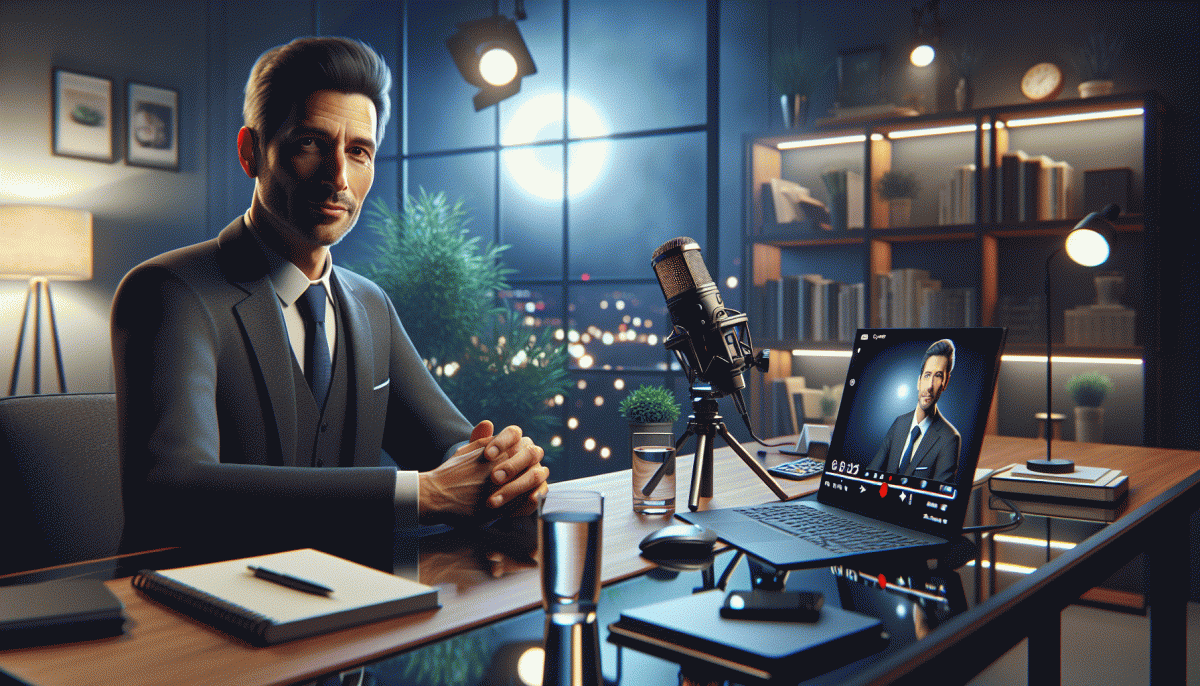
Live Content Done Right on LinkedIn Without Embarrassment: Steal These Go Live Secrets
Preflight checklist in 7 minutes: audio, lighting, framing, and a backup plan
Set a seven minute timer and treat this like a runway checklist: a fast, furious loop through audio, lighting, framing, and a backup plan so you can go live on LinkedIn without a single blush. Split the minutes into a rhythm that actually fits the real world: quick audio first, smart lighting, camera framing, backup systems, then a short run through your opening line.
Audio (1:00): mute notifications, pick your mic, and record a 10 second test clip. Listen on headphones for clipping, room echo, or computer fan hiss. Move your mic closer rather than raising gain. If you use Bluetooth, check latency. Plugged mics win over wireless for reliability. Confirm system input, and set a conservative level so your loud moments do not distort.
Lighting and framing (1:30): face a soft light source, avoid bright windows behind you, and add a lamp as a key light if needed. Use a white sheet of paper or a reflector to soften shadows. Place the camera at eye level, use the rule of thirds for headroom, and frame from mid-chest to just above the head. Remove busy background objects and place one subtle branded element in view.
Backup plan and quick rehearsal (3:30): sign in from a second device as a fallback, enable local recording where possible, and check battery and storage. Have a one-paragraph fallback script that converts the session to audio-only or a Q&A if video fails. Do a 30 second intro and a 15 second call to action as your final run through. Breathe, smile, and hit go knowing you are prepared.
Open with a hook that stops the scroll in the first 5 seconds
Think of the first five seconds as your headline in motion — if you don't stop a scroller dead in their tracks, everything else is background noise. Start with a sensory snap: a surprising fact, a punchy visual description, or a tiny conflict viewers can feel immediately. Promise something they can use before the coffee finishes. That promise must be specific, brisk, and believable; vague hype is the fastest path to the shame spiral after a live ends with two viewers.
Use one of three proven hooks: an arresting stat ('60% of managers miss this one live communication trick'), a bold promise ('By minute three you'll know how to triple engagement'), or a micro-story ('I botched my first LinkedIn Live and gained 10x more leads the next month — here's what fixed it'). Say it with intent, then add a quick visual or prop to validate the claim. Keep the language active, short sentences, no jargon.
Delivery beats script 9 times out of 10. Speak tight, then pause — silence is a spotlight. Look slightly off-camera to create accessibility, then come back for eye-contact moments that feel intimate. Open with movement: a quick camera zoom, a prop slid into frame, or a one-second caption card. These micro-actions train viewers' attention and give the algorithm a reason to show your stream to others.
Before you go live, rehearse the first 20 seconds until it's almost ridiculous; test thumbnail frames and your opening audio level; and write a single-line CTA you can mention within the first 30 seconds. If you're nervous, frame it as curiosity: 'Let's figure this out together' lands better than fake confidence. Nail the start and the rest of your LinkedIn Live won't just survive — it'll behave like content people actually want to watch.
Chat like a host: manage comments, trolls, and transitions with ease
Treat chat like your best co‑host: make it useful, visible, and slightly theatrical. Pin one comment with the agenda, another with community rules, and a third with a CTA so newcomers are never lost. Announce who is moderating at the top of the stream and keep three canned replies ready for the most common FAQs. Those small rituals stop chaos and keep you anchored to the conversation.
When a troll arrives, choose low drama and clear action. Use a short, disarming reply such as "Thanks for the note — let us know your tip!" then either mute or remove repeat offenders. Train a moderator to use platform filters and to escalate only when necessary. If you want to experiment with moderation workflows or third‑party tools, check practical examples at Twitch marketing online for ideas you can adapt to LinkedIn Live.
Make transitions predictable and polished. Use a 10‑second countdown, a branded slide, or a sound sting to signal a topic change. Script a 15‑second bridge that does three things: name the last point, thank a commenter, and tease the next segment. Practice that bridge until it sounds conversational; rehearsed transitions feel spontaneous and reduce awkward pauses.
Finally, focus on chat signals, not ego. Track repeat questions to build follow‑up posts, spotlight helpful commenters by name, and rotate short polls to steer the discussion. Run low‑stakes rehearsals to refine timing and moderator cues. Do this enough and you will go live with confidence, fewer interruptions, and a chat that feels like a loyal audience rather than a minefield.
Formats that win on LinkedIn Live: demos, interviews, and quick tips
Think of LinkedIn Live as a tiny stage where formats keep you from tripping over silence. The three high-leverage choices are demos, interviews, and quick tips — each forces structure so you look confident, not awkward. Choose one based on audience need and stick to a predictable rhythm: intro, value, CTA. Consistency is the secret people actually notice.
Demos win because they show, not tell. Start with the pain, show the fix in under 10 minutes, and narrate actions aloud so remote viewers can follow. Prep a one-minute script for the opening and a two-minute checklist for closing. Micro-practice a screen-share run to avoid fumbling menus — tech flubs equal embarrassment, not authenticity.
Interviews feel easy because the guest carries half the show, but that is a trap unless you guide the flow. Send questions ahead, build a 20-minute structure (5 intro, 12 depth, 3 CTA), and keep a back-pocket anecdote to restart momentum. Teach your guest to give short, quotable lines so clips and pull-quotes practically write themselves.
Quick tips are the lowest-friction win: 3–7 minute segments with one actionable idea each. Lead with a bold hook, illustrate with a concrete example or visual, and close with a tiny homework that viewers can complete before they stop watching. These micro-episodes are pure gold for repurposing into snackable clips and LinkedIn posts.
Ready to avoid embarrassment on live? Commit to one format this week. Action steps: choose the format, write a 60-second opener, rehearse twice, and schedule promotion with a guest or visual asset. Repeat three times and you will internalize the rhythm. Live confidence is built like a habit, not a miracle.
After the end button: turn one session into clips, posts, and emails
Right after you hit stop, treat the recording like a treasure chest. Export the raw file, note timestamps of the best 2-5 moments, and create three snackable clips (30–90 seconds) that open with a hook and end with a clear outcome. Add captions, a short title, and an optimized thumbnail. Save a high quality master and a social ready MP4.
Transcribe immediately or use automated captions. Pull 5 short post ideas from the transcript: a provocative stat, a bold claim, a how-to step, a mini case study, and a direct question to start conversation. Turn each into a LinkedIn post with a 1-2 sentence lead, a relevant image or quote card, and a single CTA that is either Save, Comment, or Share.
Repurpose beyond LinkedIn: weave the clips into a 3-email followup sequence (teaser, value add, invite to engage), drop short versions to other channels, and schedule the posts across the week to extend reach. When you need a quick growth push consider this resource: buy LinkedIn boosting to amplify early traction.
Measure what matters: clip views, first 15 seconds retention, comments, and shares. Use that data to iterate on hook patterns and optimal clip length. Small experiments multiply: test thumbnails, test captions, and double down on patterns that spark conversation.
Read also
Go Live on Instagram Without the Cringe: Steal These Pro Tricks to Wow Viewers
Live on Instagram Without Embarrassment: Pro Secrets That Actually Work
Still Crushing Instagram Without Ads? Steal These Organic Tactics

Steal These Instagram 2026 Secrets: What Works Now (and What to Ditch)

Steal These Organic Growth Tactics That Still Work on LinkedIn