Live Content, Done Right on Instagram: Zero Embarrassment, All Engagement
Pre-Live Prep in 10 Minutes: Script, Setup, and a Panic-Proof Plan
Ten minutes is all you need to go from panicked to polished. Start with a tiny roadmap: one-sentence hook, three value beats, and a clear close. Jot a headline and two audience benefits — that is your spine. Practise the first 20 seconds until it feels like talking to a friend; the more natural it is, the more viewers will stay and engage.
Use a micro-script: 1) Hook (15 seconds): tease a result. 2) Value (5–10 minutes): show, don’t lecture — demo, tell a quick story, or reveal a tip. 3) Rapid CTA: ask a simple question and tell them exactly how to answer. Memorise labels — Hook, Teach, Ask — and you will always have direction if the conversation goes sideways.
Technical setup in five minutes: steady camera, warm front light, clear audio, and a tidy background. Turn on Do Not Disturb, plug in power, and open the app with the stream ready so you can preview. If you want a tiny promotional nudge after you go live, check cheap Instagram boosting service for quick options to amplify reach.
Panic-proof tactics: keep three standby topics, a one-line personal story, and a question you can repeat to spark chat. If silence arrives, narrate what you are doing — fiddle with props, show behind-the-scenes, or read a viewer comment aloud. Close with a two-part finish: recap one tangible takeaway and invite a specific action, like saving the post or DMing a keyword.
Open Strong: Hooks That Make Viewers Stick for More Than 30 Seconds
First impressions on live video are ruthless: viewers decide in a heartbeat. Win that instant by committing to a bold, surprising motion or line that signals value immediately — a face-to-camera promise, an odd prop, or a one-sentence challenge. Make it visual, concise, and irresistible so curiosity becomes the reflex that keeps people watching.
Lean into curiosity gaps, pattern interrupts, and tiny social proof. Start with a micro-story that ends with a cliff, ask a contrarian question that sparks a mental response, or flash a striking visual that makes people ask how it happened. Keep the hook under 10 words when you can and deliver it by the third second.
Use these quick templates to build your opener:
- Tease: Promise a surprising result in 30 seconds and hint at the payoff.
- Shock: Drop a counterintuitive stat or visual that stops the scroll immediately.
- Invite: Ask a bold question that begs an answer and encourages instant comments.
Polish the craft: frame tight, eyes to lens, captions on, and hit the hook within the first 3 seconds. Add an audio cue or a motion that breaks passive scrolling, repeat the core promise within 10–15 seconds, and vary energy to keep momentum. Test close-ups versus wider shots to see what holds attention on your feed.
Run quick A/B tests with three different hooks each week and track 30-second retention. Note which gesture, word, or visual turns scrollers into viewers and double down. If something feels awkward in rehearsal, tweak it — embarrassment is fixable, but wasted retention costs time. Try one bold opener on your next live and measure the lift.
Look and Sound Polished: Lighting, Audio, and Framing That Flatter
Think of your live as a mini-movie where the main characters are your face and voice. Small tweaks to light, mic, and framing turn awkward into awesome without hiring a crew. These are quick, practical moves you can do with a phone, a window, and a bit of creativity.
Lighting is half your visual score. Use a soft key light at about 45 degrees from your face or sit facing a window with diffused sunlight. Avoid harsh overhead fluorescents that cast unflattering shadows. If you have one, a ring or softbox light on dim setting gives even skin tones; match white balance so skin does not look too blue or orange.
Audio dictates how long viewers stay. A small lavalier clipped near the collar or a directional shotgun mic aimed at your mouth will outperform built in mics every time. Keep the mic 6 to 12 inches away, do a quick level test, and monitor with headphones if possible. Reduce echo by adding a rug, cushion, or moving closer to soft surfaces.
For framing, put the camera at eye level or slightly above and frame from mid chest to a little above the head. Leave a hairwidth to two finger widths of headroom and avoid chopping at the forehead. Use the rule of thirds for visual interest and keep the background tidy so the audience focuses on you.
Before you go live, run a 30 second rehearsal: check light direction, audio levels, framing, battery, and notifications. Fix the one thing that feels off and the audience will notice the polish. Small prep equals confident performance.
Tame the Chat: Easy Moderation Moves and On-the-Spot Saves
Live chat is a goldmine and a speed bump at the same time. Treat it like a lively dinner party: pick two trusted moderators before you go on air, give them a short script for common scenarios, and load the comment filter with words and patterns you never want in the room. That five minute prep prevents ten chaotic minutes later and keeps the vibe on brand without turning you into a one person police force.
When things wobble midstream, reach for quick, obvious moves that feel calm on camera. Pin a clarifying or friendly comment to steer conversation, toggle comments off for a breath if the thread is derailing, and remove or block repeat offenders fast. Train moderators to hand you a short set of canned prompts to redirect energy, for example a playful challenge or a spotlight question that pulls people back into engagement.
Use a compact toolkit of on the spot saves and automation so you can focus on content, not crisis.
- Auto-Filter: Preload banned words and block links to cut down noise without needing to watch every line.
- Quick Actions: Pin comments, disable comments temporarily, and empower mods to remove troublemakers immediately.
- Pin & Promote: Pin the best audience comment, then call it out on camera to reward good behavior and set tone.
After the broadcast, save a local copy and trim any moments you do not want to live on. Follow up with a short community note that thanks helpful viewers and reminds everyone of chat rules. With a little structure and a few practiced moves, live chat becomes your cohost, not the villain of the show.
From Hype to ROI: CTAs and Follow-Ups That Turn Lives into Sales
Turn viewers into buyers by treating every live as a conversion funnel, not a talk show. Start with a crisp, human CTA: tell people exactly what to do next, why it matters now, and what they will get. Use on-screen captions and repeat the CTA at key beats so it lands for viewers who join late. Keep it playful but clear — a confused audience does not buy.
Choose CTAs by intent. For discovery, push follows and saves; for fast wins, push a limited-time discount code or an exclusive bundle revealed in chat; for higher-ticket items, invite a short Q&A then a scheduled demo. Use pinned comments and stickers to capture clicks without interrupting flow. Layer social proof into the ask, for example "X people snapped this offer in the last hour" to nudge fence-sitters.
Follow-ups are where ROI appears. Capture opt-ins during the live via link stickers, comment-to-DM hacks, or a clear verbal prompt to drop an email. Automate an immediate DM thank you with the offer and a one-click checkout link, then queue reminder messages at 6 and 24 hours. If you want a quick lift in perceived momentum, consider external amplification like get Instagram views fast to make the first wave look busier.
Track wins with simple windows: measure clicks, add-to-carts, and purchases within 48 hours of the live. A/B your CTAs across shows — slightly different phrasing, positions, and urgency levels — and keep the winners. Repurpose the best moments into short clips with a persistent CTA to keep conversions compounding. Small, consistent optimization beats one viral gamble every time.
Read also
Live on Instagram Without Embarrassment: Pro Secrets That Actually Work
We Pitted Instagram Formats Head to Head — Here Is the One That Crushes Engagement
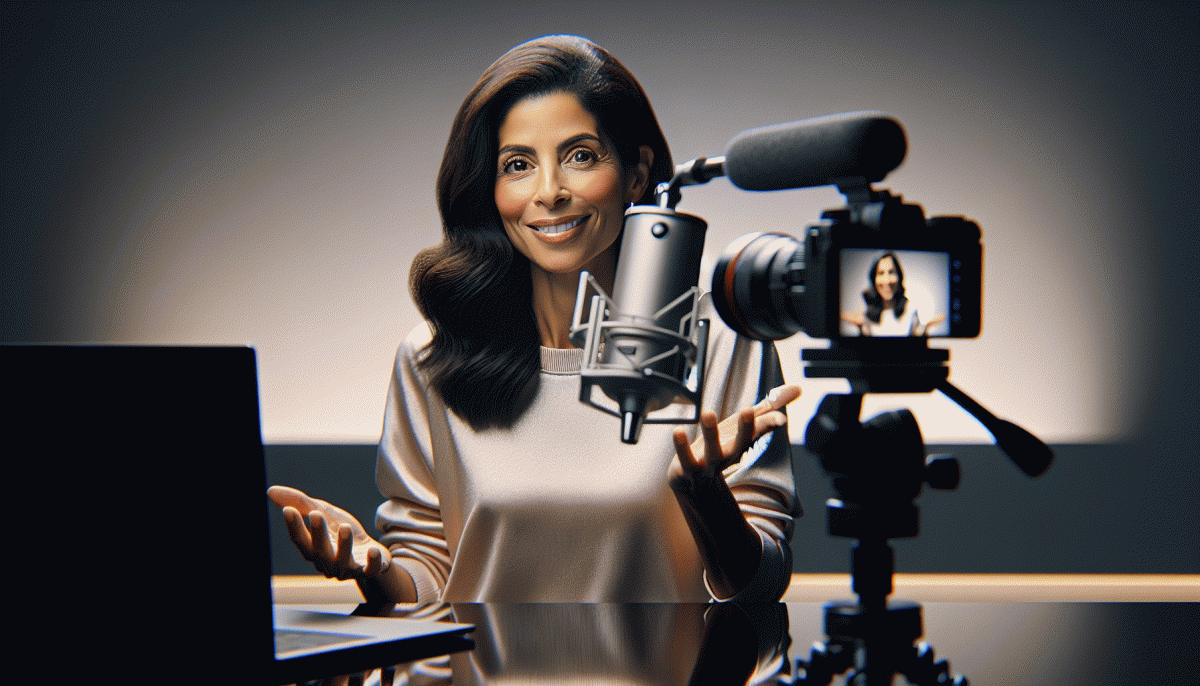
Go Live on Instagram Without the Cringe: Steal These Pro Tricks to Wow Viewers
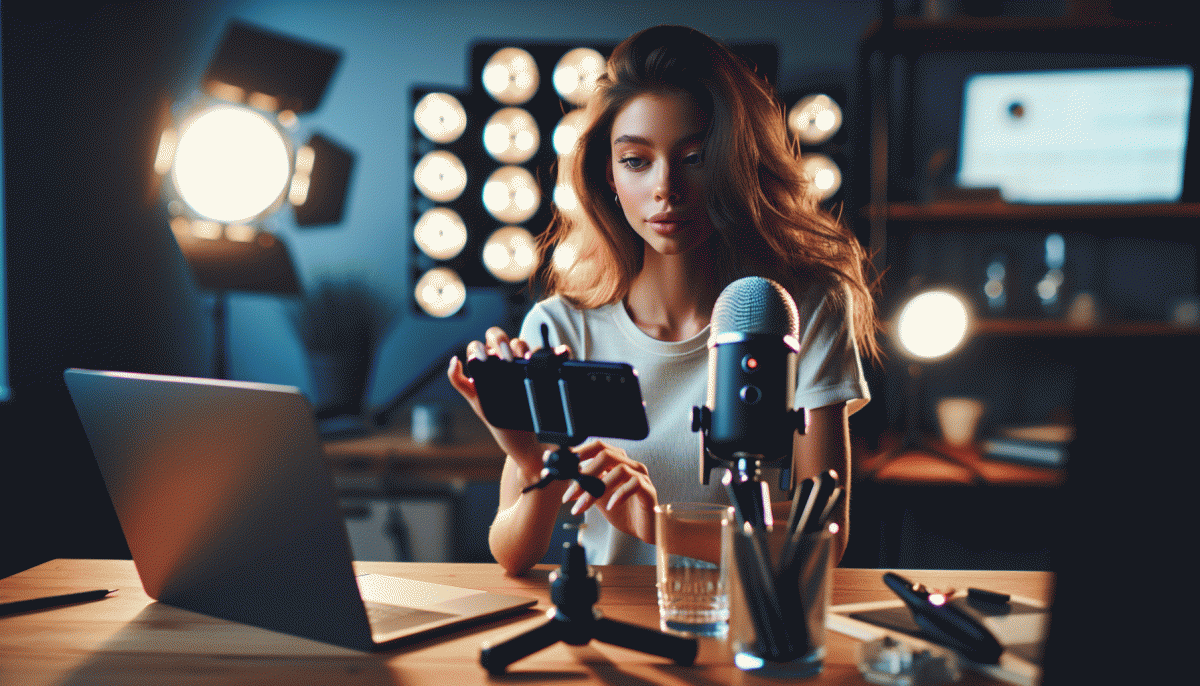
You’ve Been Doing Instagram Live Wrong—Do This Before You Hit ‘Start’

Instagram Live Without the Cringe: The Unfair Playbook They Don't Want You to Use