Live Content Done Right on Instagram (Without Embarrassment): Read This Before You Hit “Go Live”
The 30‑second pre‑flight: a no‑panic checklist before you tap “Go Live”
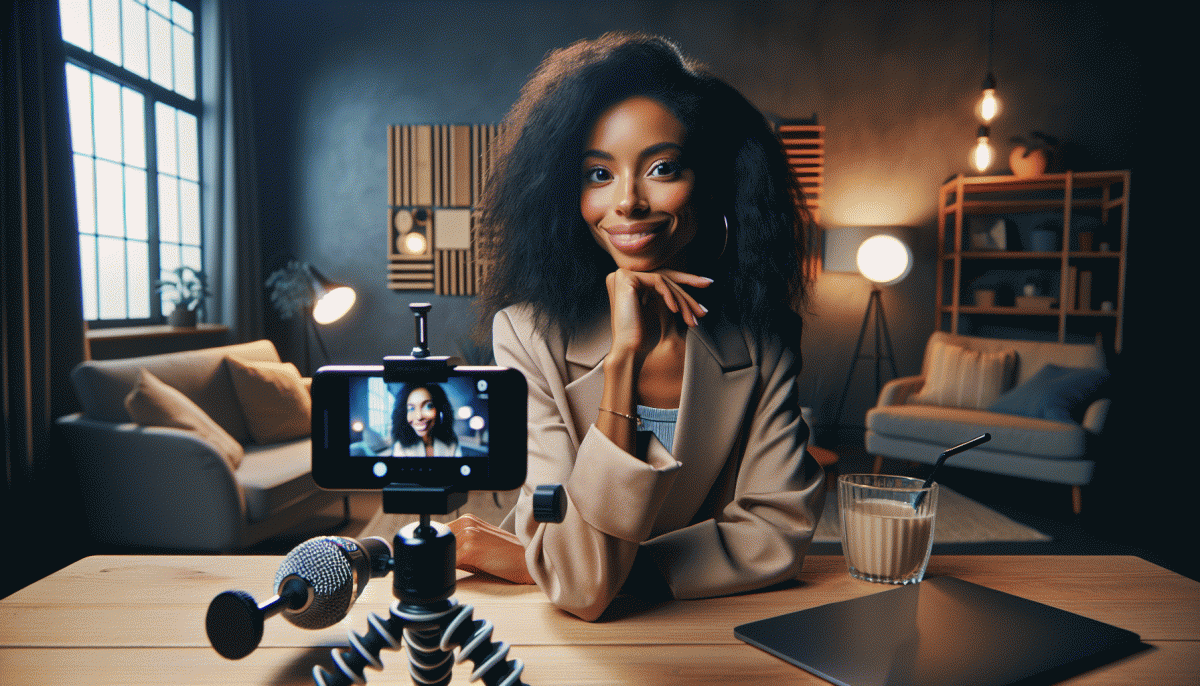
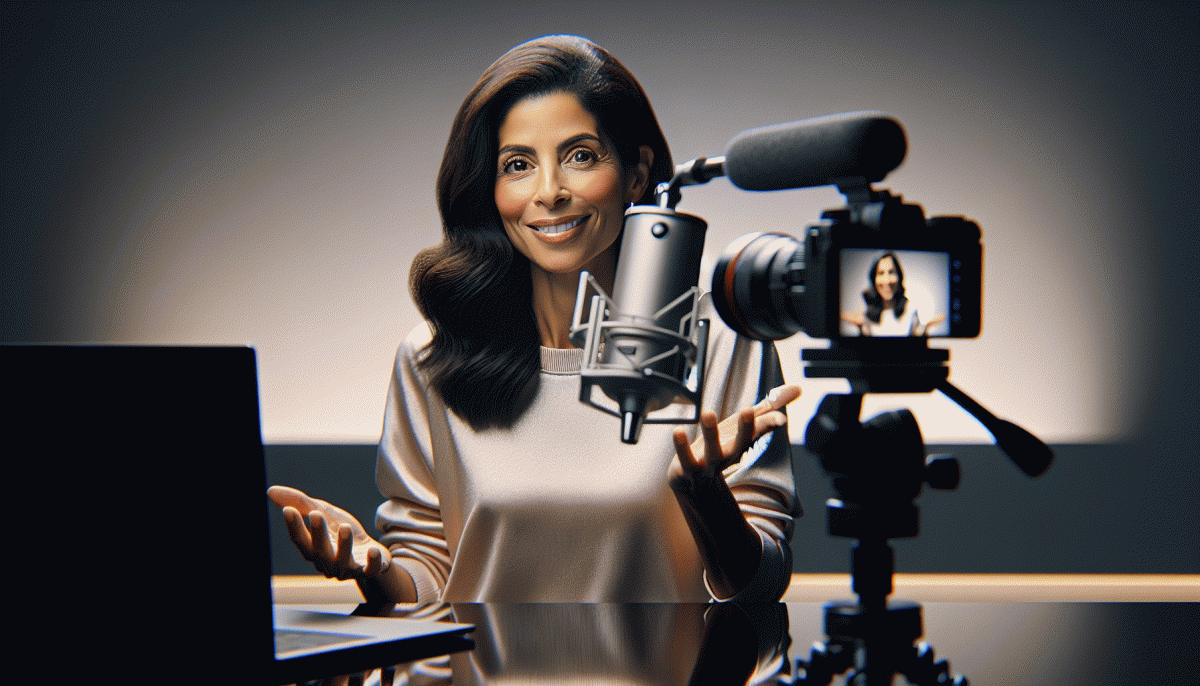
Warm up the set in thirty seconds. Check framing and orientation, lock the exposure and focus if your phone allows, mount on a tripod or steady surface, and take two steps back to confirm flattering headroom and background. Verify Battery level and free storage so the stream does not stop mid punchline.
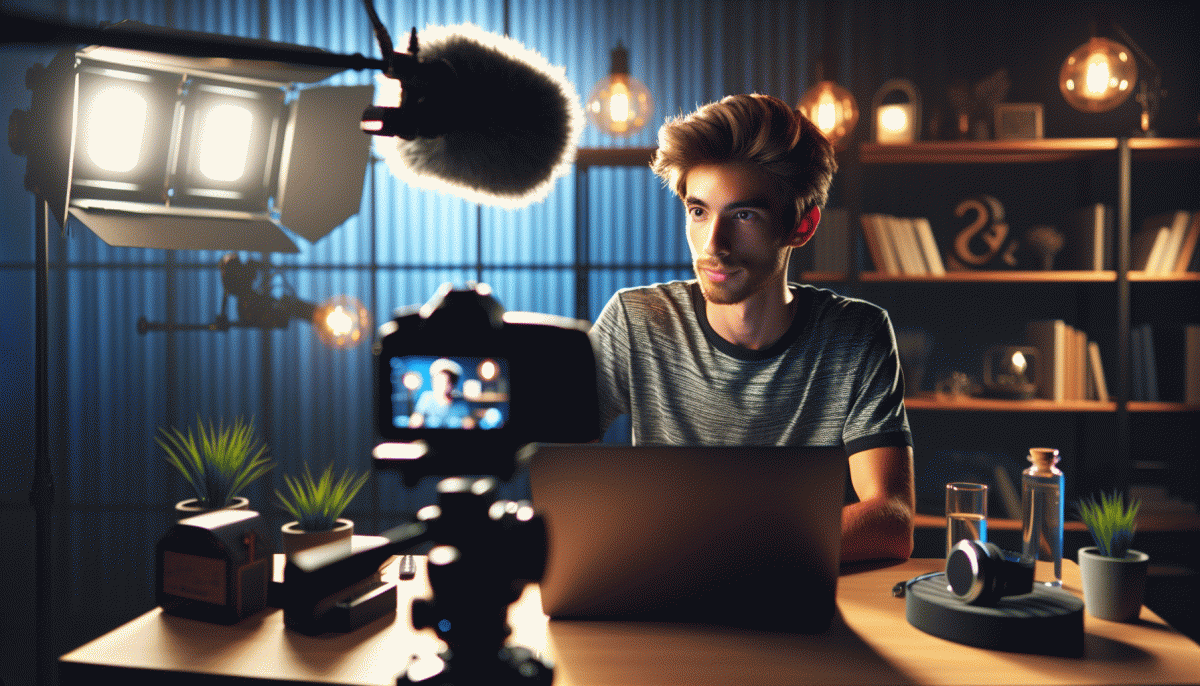
Sound sells more than polish. Do a quick mic test with headphones or the built in microphone, listen for echoes, HVAC hum, and passing traffic, and move closer to the mic for clarity. Position your main light behind the camera so faces are lit, and avoid bright windows behind you.
Silence interruptions fast and avoid surprises. Engage Do Not Disturb, disable notifications, close bandwidth hungry apps, and pause any syncing or updates. Confirm network strength or switch to a known wifi, then keep one charged backup device nearby so you can relaunch quickly if needed.
Start with a hook you can deliver naturally and rehearse it once. Decide now what you will say in the first ten seconds, name a clear CTA and a pinned comment idea, and pick a concise title or caption. That micro plan reduces on camera nerves and drives audience action.
Final micro checks include a quick background tidy, minimizing reflective surfaces, checking your outfit for stray logos, assigning someone to moderate comments if possible, and taking one deep breath. Smile, press go, and treat the first minute as a friendly rehearsal that sets the tone for everything that follows.
Look pro with zero gear: lighting, framing, and sound hacks that flatter you
Natural light is your best accessory. Face a window, not the room; soft frontal light smooths skin and keeps the camera from hunting exposure. If there is no window, bounce a cheap LED lamp off a white wall or clip a translucent shower curtain over a lamp to diffuse it. Keep main light slightly above eye level to avoid raccoon shadows.
Eye level camera is non negotiable. Stack books under your phone or laptop until the lens meets your eyes. Frame with a little headroom and use the rule of thirds so you are not battling a floating forehead. For Instagram vertical lives, hold the device portrait and step back three feet so background objects do not crowd you.
Good audio wins attention faster than fancy visuals. Use wired earbuds with a built in mic or lapel mic on a shirt collar rather than the device mic. Reduce echo by placing a soft throw or pillow behind the recording point and close windows to cut traffic noise. Put the phone on a stable surface to avoid handling noise and mute notifications.
Quick checklist: Practice a one minute intro, check light and framing, test audio on earbud or lapel, clear a small background area and keep water nearby. If you want to amplify live reach, consider buy Instagram boosting service. Rehearse twice and breathe before you hit go live with confidence.
Hook ’em fast: killer 10‑second openers that stop the scroll
Those first ten seconds decide whether someone keeps watching or scrolls past like it never happened. Lead with one strong promise, a weird curiosity, or an emotional jolt that answers "Why should I care?" Fast clarity beats cleverness every time—you have to earn attention before you ask for it.
Use a three-part micro formula: open with a one-line hook, flash a supporting visual, then give a tiny next step. For creators who need a quick traction boost, consider services that amplify views—see the best Instagram SMM panel to kickstart a reliable audience funnel.
Try these micro-scripts and adapt to your voice: "Stop scrolling—this changes how you..." ; "Imagine if you could..." ; "Three hacks in sixty seconds to..." ; "I lost X, then I found..." ; "This trick saves time on..." Use short numbers and contrast for instant curiosity.
Delivery matters: start with motion (lean, reach, zoom), turn sound on or drop a beat, and display a one-line caption in big type. Keep camera at eye level, smile fast, and use a prop that anchors your claim. Rehearse the opener until words feel natural, not scripted.
Quick live checklist: 1) Say the hook in three seconds; 2) Show proof within the first ten; 3) End the ten seconds with a clear next move. Film three variations, pick the best, then go live. Nervousness is normal; fun is contagious, so prioritize that.
Chat without chaos: pinned comments, Q&A, and engagement that feels natural
Think of the live chat as a smart cohost, not a firehose. With pinned comments and Instagram's Q&A you can guide the room, surface the best questions, and shut down chaos before it starts. Set a clear opener, pin a simple agenda or rules, and the stream will feel less like a free‑for‑all and more like a cozy conversation.
Before you hit go, pick two pins: a welcome that outlines what will happen and a CTA that tells people how to participate. Use the Q&A panel so questions come in an organized queue; mark favorites and answer them aloud so everyone follows the story. If chat gets too fast, flip on slow mode or assign a moderator to keep things readable.
- Setup: Pin an intro and a question prompt so first seconds are calm and focused.
- Pace: Use Q&A plus a cadence—answer two questions, then take one live comment—to avoid whiplash.
- Moderate: Add a trusted moderator to merge great comments into the official Q&A and remove noise.
On air, read the asker's name and repeat the question before replying to include people who join late. Use short segues like "Quick poll" to reset attention and call out viewers by name to make engagement feel natural. After the show, pin a follow‑up with highlights and next steps so the conversation keeps working for you.
From “uh‑oh” to upload: crisis‑proofing, saving, and repurposing your Live like a pro
Going live is a sprint and a marathon: sprint for engagement, marathon for assets. Before you tap, set a simple safety net — local recording, a charged phone, a wired mic if possible, and a quiet backup room. If connection drops, the recording buys you time; if something goes sideways, you still own the footage to fix it.
If the moment derails, breathe and switch to triage mode: mark the timecodes, note the problem, and export the raw file immediately. Later you can cut around the glitch, add captions, or even turn the hard part into a teachable moment. For tools and quick growth hacks check real Threads growth online.
Repurposing is where the ROI lives. Clip the funniest 10-30 seconds, create a 60-second recap with a bold hook, and make a static thumbnail with bright text. Always add captions and a clear CTA. Save edits as templates so the next time you can batch produce clips in 20 minutes rather than 2 hours.
Finally, build rituals: run a 2-minute tech check, announce a soft start to give yourself warmup minutes, and have a one-sentence apology ready in case of major flubs. Practice helps reduce panic and makes editing way easier. When you treat each Live like a content factory you stop fearing mistakes and start mining them.
Read also
You’ve Been Doing Instagram Live Wrong—Do This Before You Hit ‘Start’
Live on Instagram Without Embarrassment: Pro Secrets That Actually Work

Are Instagram paid ads still worth it? Read this before you spend another dollar
Go Live on Instagram Without the Cringe: Steal These Pro Tricks to Wow Viewers

Instagram Live Without the Cringe: The Unfair Playbook They Don't Want You to Use