
I Tried Everything on YouTube—Only This One Thing Skyrocketed Clicks
Hint: It’s the Hook They See Before a Single Second Plays
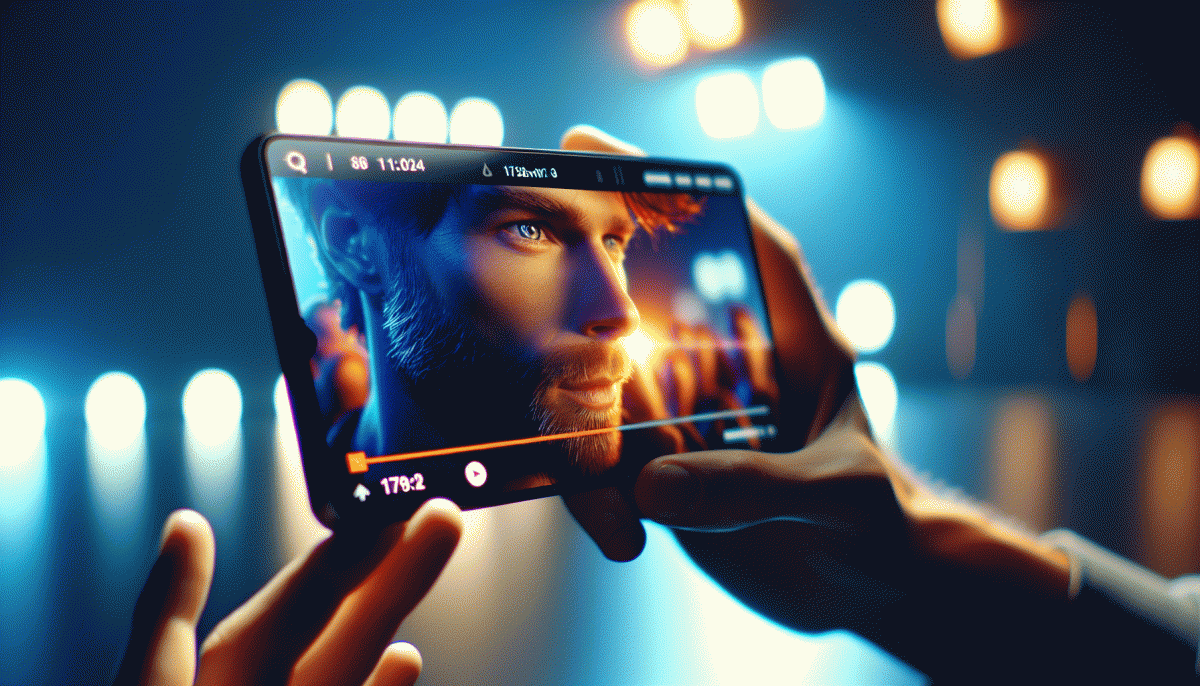
Before anyone hears your opening line, they decide in a glance whether to tap. That tiny still — the thumbnail or the first video frame that lives in the player before a second ticks — is your single most persuasive sales pitch. Treat it like a movie poster: big emotion, legible micro-text, a high-contrast subject, and a tiny mystery that begs them to press play.
Make the visual speak the benefit. Swap vague stock shots for a candid close-up that telegraphs the outcome (shock, relief, victory). Use three words max on an overlay: the promise, the pain, the payoff. High contrast beats subtlety on tiny screens, so push colors, faces, and bold typography — then measure what actually moves the needle.
Practical experiment: export three thumbnails — hook, how, hype — and three matching 0.5–1s opening frames. Upload them as variants, or rotate them manually for 48 hours each. Keep everything else identical. If CTR jumps, you found a repeatable hook. If it doesn't, iterate quickly: tweak the expression, swap the verb, tighten the copy.
Want a fast win? Screenshot your next upload at ten frames in, add a 3-word overlay, test a brighter background, and watch the first metric you care about: clicks. It's fast, cheap, and the only thing I tried that reliably flips the switch. Do this for a week and you'll have hard evidence instead of hunches.
From ‘Meh’ to ‘Must Click’: Transform Your Thumbnail in 3 Tweaks
Stop making thumbnails that whisper. Make ones that shout. Start with three tiny changes that matter more than fancy gear: a clear subject, colors that pop, and text that reads at a glance. Each tweak is fast, backable, and easy to test on real traffic.
Tweak 1 — Composition: Pick one subject and make it large. Use the rule of thirds or a centered focal point so the eye knows exactly where to land. Cut visual clutter, remove small distracting elements, and leave breathing room so the thumbnail still reads on a phone screen.
Tweak 2 — Color & Contrast: High contrast wins. Boost saturation on the subject, desaturate or blur the background, and add a thin outline or drop shadow to separate the subject from busy scenes. Try a warm color pop against a cool backdrop and note which version pulls higher CTR.
Tweak 3 — Text & Expression: Use 2 to 3 words max in a bold, readable font and keep letter spacing generous. If you show a face, exaggerate the expression: wide eyes, open mouth, direct gaze. Combine short text with a clear expression to create an instant emotional hook that scrolls cant ignore.
Run three variants, test them in the first 24 hours, and double down on the winner. For a quicker validation loop you can also try buy YouTube boosting to get initial traffic and see which thumbnail actually converts. Small, focused tweaks plus fast data beat guessing every time.
Title Alchemy: Words That Make Thumbs Stop Cold
Think of a title as a micro-ad: three seconds for someone to decide. Swap sleepy descriptors for verbs that punch, and suddenly thumbs stop mid-scroll. This is not theory — I split-tested dozens of tweaks until one pattern sent clicks into orbit.
Use the curiosity gap: promise something specific but leave an itch. Numbers work — '3 hacks' beats 'some tricks.' Power words like secret, rare, instantly spike CTR when paired with realism. Always give a timeframe or outcome: faster, today, in five minutes.
Try formats: start with a number, ask a provocative question, or give an instruction. Swap 'how to' for 'stop wasting' or 'don't make this mistake' — negatives can outperform polite invitations. Aim for under 60 characters on mobile but carry an emotional beat.
If you want a fast lift while testing titles, tactical promotion is your friend — it shortens the time to significance. For a no-fuss option, try boost YouTube to get more eyeballs on headline experiments and see winners sooner.
Mini checklist: try a power verb plus a number; add a time or result; swap one neutral word for an emotional one; test three variants and track wins. Remember: titles lure, content keeps. Treat every headline like a tiny campaign and iterate fast.
The 7-Second Rule: Frame Curiosity Without Clickbait Regret
Seven seconds is the tiny window where curiosity meets decision. On YouTube that first glance plus the opening sound decide whether someone scrolls past or taps play. Make that time feel like a cliffhanger, not a bait-and-switch — curiosity earned, not tricked.
Think in micro-stages: 0–2s = visual promise (thumbnail + motion), 2–4s = instant value hint (one crisp hook line), 4–7s = a tiny payoff that proves you'll deliver. Use an eyebrow-raising fact, a mini-demo, or a quick question. Keep language sharp and verbs active.
Swap clickbait for a curiosity formula: Tease the result, Peek under the hood, and Promise a measurable payoff. Instead of "You won't believe this!" try "Here's the 10-second trick that doubled my watch time" — specific, testable, honest, and respectful of your audience.
Test like a scientist: experiment with two hooks per thumbnail, track 7–15s retention, and iterate on winners. If you want a traffic nudge after you've optimized hooks, consider YouTube promotion service as a complementary boost — but only after your 7-second craft is tight and your video actually delivers.
Your goal isn't cheap clicks; it's clicks that convert into loyal watchers. Treat the 7 seconds as a mini-pitch: be clear, curious, and credible. Small framing tweaks compound into big growth once you're consistent.
Steal These Swipe-Stopping Patterns From Top YouTubers
Stop people mid-scroll by stealing the visual grammar top creators use: three-shot thumbnail composition, a high-contrast face close-up, and a bold, readable overlay that teases a secret. Thumbnails are a promise — they must deliver the hook your opener makes. These are repeatable patterns, not voodoo, so copy them, test quickly, and turn randomness into reliable wins.
- Contrast: Push subject and background apart so the eye lands instantly on the face and text in a single glance.
- Curiosity: Use a 3–5 word tease that implies a payoff without spoiling it.
- Interrupt: Add a tiny motion frame or a mismatched subtitle in the first second to break the scroll rhythm.
Put those three together like a recipe: start with a frame that forces focus, overlay a curiosity line that promises value, then introduce a micro-interrupt inside the first 0.8–1.2 seconds of the video. Keep overlays concise and mobile-readable, use strong edge strokes on text, and make sure the face reads an emotion. Create three quick thumbnail variants and upload them to A/B test instead of guessing.
Run each micro-test for 48–72 hours and track CTR, view velocity, and average view duration. The single tiny tweak that finally skyrocketed clicks for me was not a new trend or jargon — it was deliberately breaking expectation at the top of the video and mirroring that jolt in the thumbnail. Steal these patterns, measure ruthlessly, and scale what actually moves the needle.
Read also

The One Thing That Drives Clicks on YouTube (Spoiler: It's Not Your Video)

This One Tiny Tweak Skyrockets Clicks on YouTube
The One Thing That Drives Clicks on YouTube (You're Probably Ignoring It)

We Tested Organic, Paid, and Boosted—Only One Skyrocketed Follower Growth (Do This Now)

The One Thing That Drives Clicks on YouTube (No, Not the Algorithm)