Go Viral on Instagram Live: Do This, Not That (Without Embarrassment)
Pre-Show Rituals: Setups and Scripts That Keep You Smooth, Not Sweaty
Think of the minutes before a live as your power routine: tiny moves that keep nerves in check and content sharp. Dim overhead lights, open a window for fresh air, sip water (not a caffeine flood), and put on a top that reads well on camera. A five minute tech check beats a five minute apology to viewers.
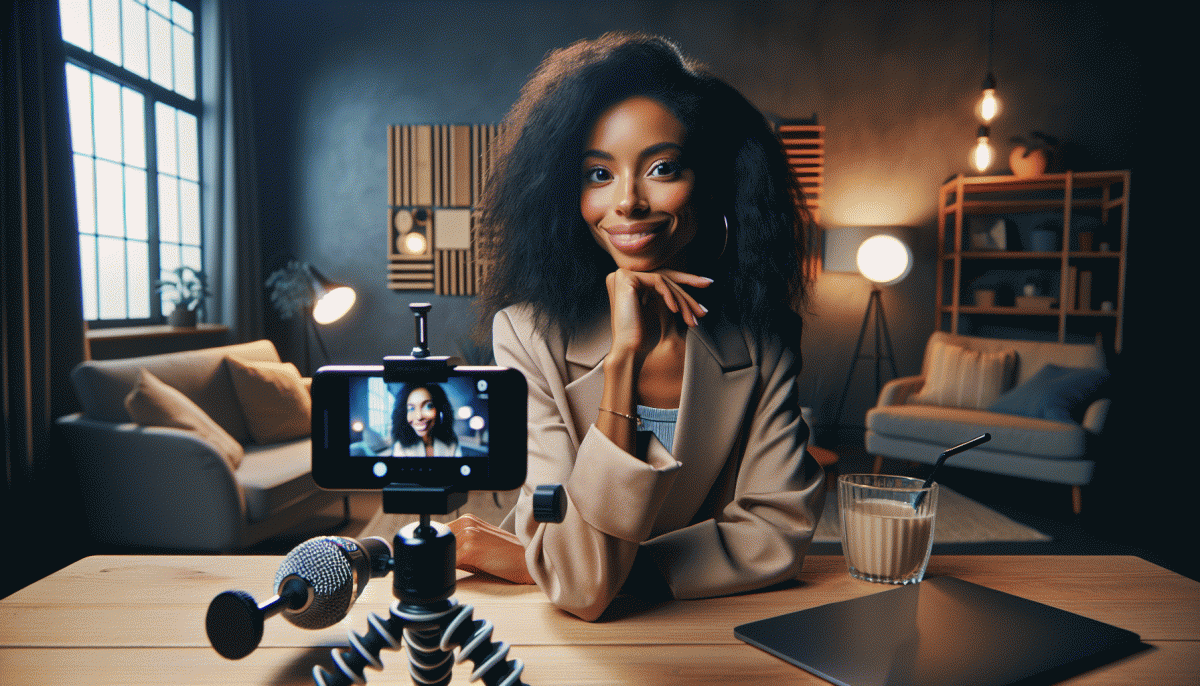
Set the scene fast: camera at eye level, soft light behind the lens, lav or USB mic one fist from your collar, and a neutral but interesting background. Put your phone on airplane mode, plug in power, close noisy apps, and mark the frame where you will stand or sit. Run a quick audio check with a friend or your second device.
- Equipment: Phone/camera, mic, power, tripod — test gain and framing.
- Script: 30s hook, three talking points, one tight CTA — keep bullets, not paragraphs.
- ⚙️ Backup: Hot swap phone, prewritten DM, and a 10s filler game in case of awkward silence.
Memorize cues, not lines: timestamp where you will ask questions, where you will drop a link, and when to pivot if engagement drops. Practice a 60 second opener until it feels natural, then add two segues. Breathe, smile, and imagine the audience as one friendly face — that mental shortcut keeps energy high without sounding rehearsed.
The First 30 Seconds: Hooks That Stop the Scroll and Fill the Room
You get one shot to arrest a thumb. In the first 30 seconds, think like a journalist, a comedian and a magician at once: ask a surprising question, drop a fast visual, then promise something they can't resist. Keep energy high but human — a nervous sprint is fine, a panic attack on camera is not. The goal: curiosity so loud it pulls viewers from Explore into your room.
Use this micro-hook formula on loop. Swap the order, but hit all three fast:
- Tease: Preview the payoff in one line — "I flipped my feed into a six-figure launch in three posts."
- Shock: Drop a tiny detail that breaks expectation — "Not an influencer, not a brand, just a weird trick."
- Invite: Give a simple next step — "Stay for 5 minutes and I'll show you the exact caption."
If rapid retention is the metric, amplify what works: mix curiosity with tangible benefit, and promote the room smartly off-platform — even a tiny push magnifies momentum. If you want an easy way to expand the audience quickly, check options like buy reach online and use boosts to test which hook converts most.
On-camera checklist in 30 seconds: smile, 3-word opener, one visual prop, and your bold promise. Rehearse the first line until it lands without sounding rehearsed. Do this, not that: don't start apologizing or rambling; do start with a tiny mystery and a clear value prop. Result: more viewers, less embarrassment, and a room that fills before you even sip your coffee.
Chat Like a Host, Sell Like a Friend: Engagement Plays That Convert
Treat chat like a cozy backstage: lead with warmth, not a script. Call out names, repeat short snippets of viewer messages, and answer quickly — micro interactions make people feel seen and stick around. Pin clear cues and ask one simple action early (react, type YES, share). When viewers feel like guests they lower defenses and engage, which is the conversion engine.
Sell like a friend by offering clear, useful options rather than ultimata. Use social proof in real time: read a success comment, show a short demo, or pull a quick reaction. Ask for small commitments first (heart, sticker, one emoji) and then escalate. Present price as choices: low, mid, premium, and explain value in seconds; scarcity is fine if it is honest.
- Hook: 10–15 second promise that explains the result and why it matters
- Demo: quick real use case with a chat volunteer and a visible before/after
- Close: limited add on or bonus delivered in chat for fast responders
Measure everything you can: who typed YES, who clicked a swipe or link, which offer converted best, and which timestamp drove peak chat. Use a simple spreadsheet or the platform analytics to map chat spikes to offers. Follow up with timely DMs, track redemption codes, and post a short recap as a pinned comment after the stream. Practice a loose script with three beats: tease, teach, and ask. Be useful, be honest, and selling will feel like helping a friend get a win.
Uh-Oh Moments: Fixing Tech Fails and Blank-Brain Pauses in Real Time
Live streams develop their own weather. When sound cuts, camera freezes, or a sudden blank-brain fog lands, treat the first six seconds like crisis PR: breathe, smile, and move. Mute yourself if audio is glitchy, switch the camera to a second device, and tell viewers you are rebooting the feed. A calm line like "Quick sec while I fix this, thank you for hanging out" buys time and keeps viewers. Practice this recovery tone so it feels natural.
When the mind goes blank, use short, rehearsed phrases to own the pause and redirect attention: "Give me two seconds to pull that thought together," "Tell me in chat what you think while I check this," or "I will answer that next, promise." Have a short looped B-roll or branded still ready to drop while you regroup. If you have a moderator, ask them to highlight chat reactions, post polls, or surface viewer questions to keep energy high.
Minimize tech drama with a five minute pre-show ritual: charge and plug in devices, close heavy apps, disable notifications, clean the lens, and confirm mic levels. Use a wired internet option when possible or a dedicated mobile hotspot. Keep a backup phone with the stream app logged in and a secondary co-host who can jump in. Rehearse a private test live once a week so camera angles, lighting, and cue phrases become muscle memory.
When something does go wrong, harvest it. Clip the blooper and turn it into a funny post or a behind-the-scenes reel explaining how you fixed it. Invite followers to name the mishap and offer a small prize for the best caption; that converts embarrassment into engagement. Authenticity wins faster than perfection. Smile, claim the moment, and then show how you level up next time — audiences love the recovery story more than flawless performance.
Replay Gold: Turn Your Live Into Clips, Carousels, and Evergreen Sales
Don't let a great live die on the timeline — harvest it. While you're still warm from the broadcast, scan for the 3–5 magnetic moments: a punchline, a surprise stat, a mini-tutorial, or a heartfelt reaction. Trim each to 15–45 seconds, add a two-second hook, and export with vertical and square crops so every platform looks native.
Want an instant reach bump? Repurposed clips convert better when paired with a tiny paid push to seed visibility. Try a focused test on a platform you care about, then scale the winners. For a quick promotion lift, check options like buy YouTube views today to get early social proof and algorithm traction.
Quick repurpose recipes:
- Clip: Turn a 30s aha moment into a short with subtitles and a 3s branded intro.
- Carousel: Slice a mini-lesson into 5 swipe cards — each card teases the next with a headline and data point.
- Evergreen: Create a pinned mini-course using timestamps, an opt-in slide, and a soft CTA to an email funnel.
Finish like a pro: add captions, a custom thumbnail, and a clear first-comment CTA that links to your funnel or product. Schedule the clips across 10 days so the replay becomes a drip campaign, not a single blast. Small, consistent pushes compound — and that's how you turn one live into long-term sales without the cringe.
Read also
Live on Instagram Without Embarrassment: Pro Secrets That Actually Work
Go Live on Instagram Without the Cringe: Steal These Pro Tricks to Wow Viewers
You’ve Been Doing Instagram Live Wrong—Do This Before You Hit ‘Start’

Instagram Live Without the Cringe: The Unfair Playbook They Don't Want You to Use