Go Live Without Cringe: The Instagram Playbook You'll Wish You Had Sooner
Prep Like a Rockstar: Scripts, Setups, and a 10-Minute Run-Through
Treat your live like a mini show: write a micro script with a three line hook, three core beats, and a one line call to action. Keep each beat to one sentence so you can riff without losing the plot and mark high energy moments to return to.
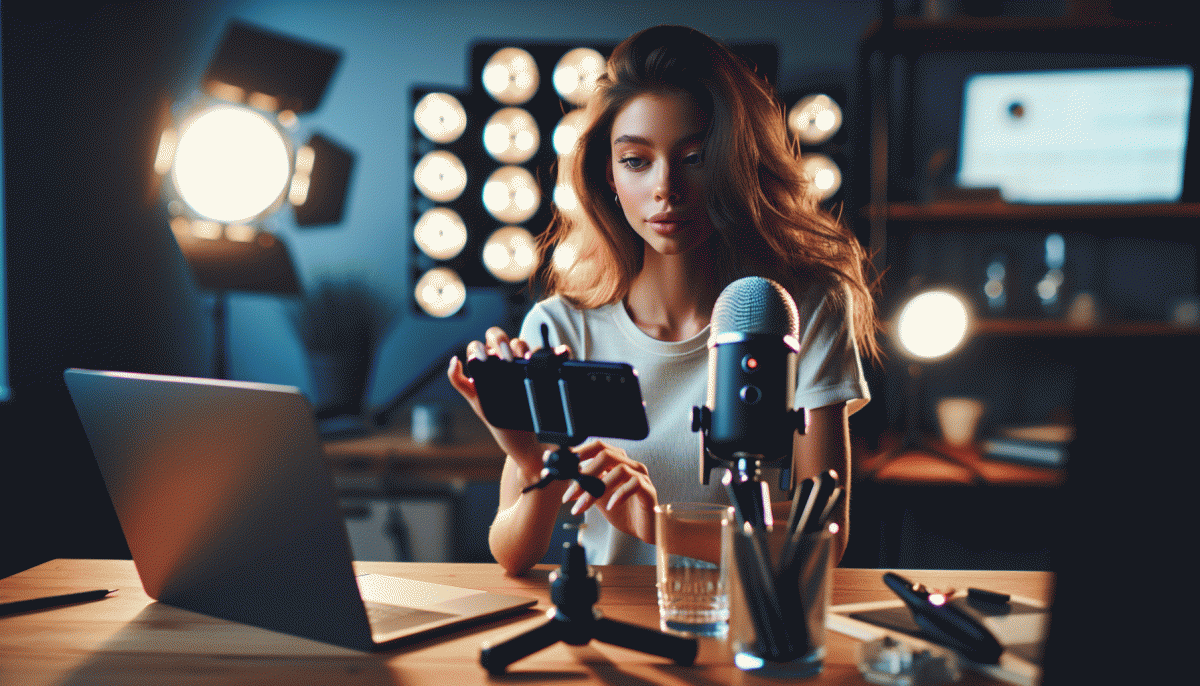
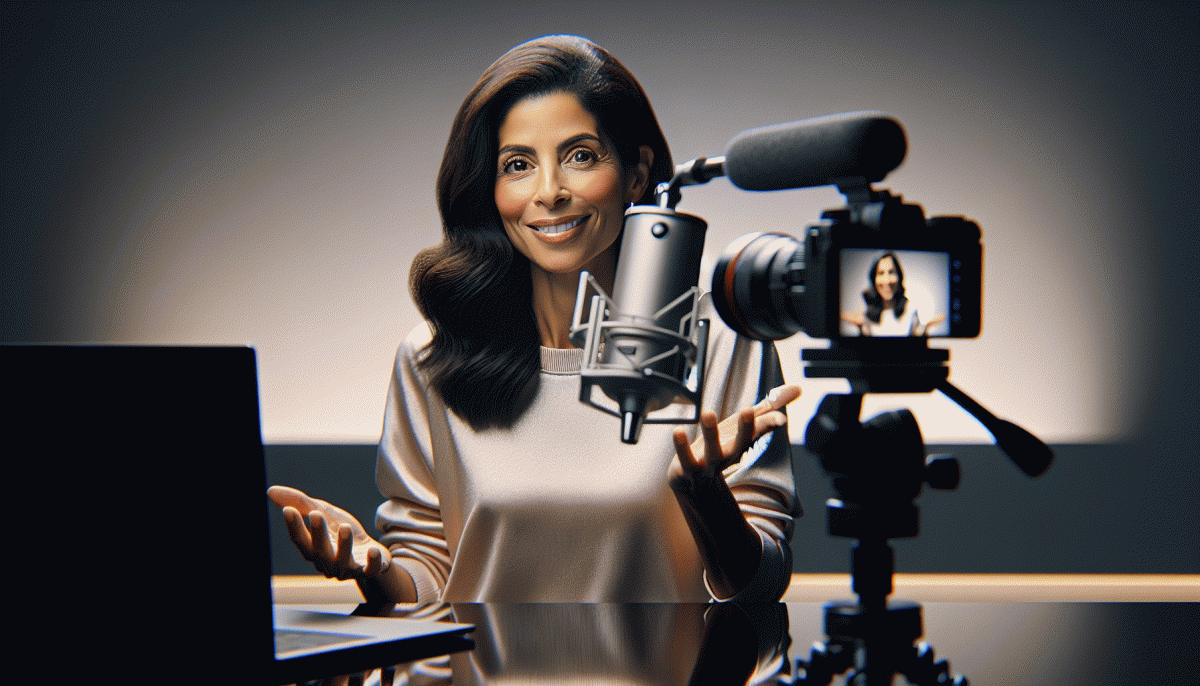
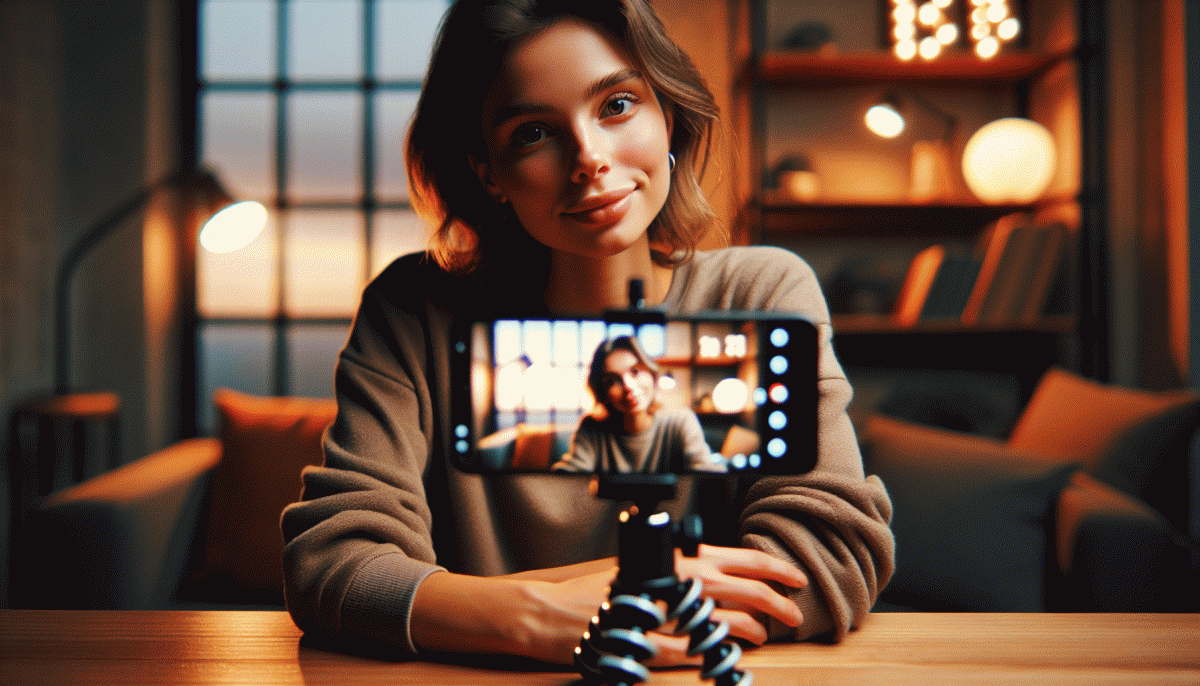
Checklist the set like a pro: camera at eye level, soft light from the front, mic close to capture clear audio, tidy background, enable Do Not Disturb, check battery and storage, and set phone to airplane with wifi only if your stream needs it. Small fixes here save huge embarrassment later.
Do a strict 10 minute run through. Minute 1: power on and test audio and video. Minutes 2 to 4: read the script aloud to hear rhythm. Minutes 5 to 7: practice transitions and ad libs. Minute 8: run the CTA with energy. Minutes 9 to 10: record one full dry take.
Script smarter: use signposts like Quick tip and Remember this so viewers follow, keep sentences short, repeat the main benefit twice, and place a one to two second pause where you want emphasis. Write a fallback line for flubbed moments so recovery feels smooth.
Warm up your voice and face, breathe for thirty seconds, smile into the lens, and start with intention. Keep a backup device recording locally and run the 10 minute routine before each session. Do this enough and you will shave the cringe, boost authenticity, and actually enjoy going live.
Hook Them in 10 Seconds: Openers That Stop Scrolls Cold
First impressions on video are literal showstoppers: you have roughly ten seconds to yank someone out of scroll autopilot. Think of those seconds like a headline with movement — a tiny scene that promises a payoff and refuses to let viewers look away. Make it curious, specific, and emotionally visible so the brain hits "keep watching" before the thumb can move.
Use a simple 3-part opener formula: grab attention with an unexpected phrase, deliver a clear benefit, then land a micro-proof or quick visual that makes the benefit believable. For example, start with a short shock or question, follow with exactly what they gain if they stay, and flash one quick clip or stat to prove you mean it. The rhythm matters more than perfection.
Your delivery sells the hook. Move toward the camera in the first second, spike your energy, and pair the line with a caption that mirrors the spoken words — many users watch muted. Keep faces large in frame, audio punchy, and avoid slow zooms or long setups. Tight edits and abrupt, confident cuts read as competence, not cringe.
- Tease: Drop a tiny mystery that begs a question in the viewer’s head.
- Promise: Say exactly what they get if they watch one more beat.
- Proof: Flash one visual or fact that makes that promise believable.
Micro-tactics that amplify hooks: start with a sound cue, use bold captions in the first 2 seconds, and place a thumbnail frame that captures the hook moment. Keep the first spoken sentence under five words and never begin with a long setup or apology — those are attention leaks.
Finally, treat openers like experiments: test three hooks across similar audiences, keep the winning structure as a template, and iterate fast. The aim isn’t perfect comedy or dramatic flair — it’s a repeatable, low-cringe way to turn strangers into viewers within ten seconds.
Chat, Don't Monologue: Interaction Tricks That Feel Natural
Think of your live as a hangout, not a lecture: open with a low-bar prompt that invites a quick answer — "Where are you watching from? Drop your city!" — and let those tiny replies steer you. A 20–45 second welcome that calls out two names and asks one question beats a ten-minute monologue every time. Promise a quick "here's what you'll get in the next 10 minutes" and stick to it.
Use tiny interaction systems so you're not improvising everything: pin a running prompt (Ask me anything about X), have two canned segues for awkward silence, and create short reply templates like "Nice! Quick tip:…" or "Love that—here's one thing to try…" Saying the same phrases each time sounds deliberate, not robotic. Name-check viewers; hearing their name keeps people glued and makes conversation feel real. Use the Q&A sticker responses live to pull in ready-made questions.
Lower engagement friction with micro-asks: ask viewers to tap a heart, post an emoji to vote, or answer a yes/no in chat. Run a 60-second "lightning round" where you blast through rapid-fire questions, read a handful aloud and summarize patterns. Celebrate small wins — call out someone who typed a brilliant answer — and use polite pauses: if chat slows, say "three-second quiet—tell me where you're at" and let the silence invite replies.
Prep beats panic: jot three fallback topics, keep note cards with comment cues, and monitor chat on a second device or hand that role to a co-host. Before you wrap, thank names, summarize one takeaway, and end with a direct CTA like "say 'ready' if you want a follow-up post." Practice this loop twice and it'll feel conversational fast — less cringe, more chemistry. Treat every live like a rehearsal for the next one.
Tech That Won't Betray You: Lighting, Audio, and No-Panic Backups
Treat your kit like a reliable cohost: simple, predictable, and forgiving when things go sideways. Start with light that flatters, not floods. A soft key light positioned slightly above eye level and about 3 to 4 feet away will erase tired shadows and keep skin tones natural; backlights and a subtle fill stop your features from looking flat. Use a diffuser or softbox rather than blasting bare LEDs, and set color temperature to match room light so you do not end up looking like a cartoon.
Sound matters more than fancy visuals for engagement, because viewers forgive a fuzzy face but not tinny audio. For phones, clip a lavalier close to the collar; for desktops, a USB condenser on a small boom keeps hands free. Watch input meters so peaks sit around -6 dB and always monitor with headphones during a rehearsal. Close background apps, enable noise suppression in your streaming app, and do a 30-second test recording to confirm clarity before you go live.
- Lighting: Soft key + gentle fill = flattering, portable setup.
- ⚙️ Audio: Lavalier for mobility, USB for desk, monitor with headphones.
- Backups: Power bank, second device, and a local recording as insurance.
Make no-panic backups your ritual: keep a charged battery pack, plug in network cable when possible, and have a standby phone logged into the same account ready to hop in as camera or host. Record locally even if the stream is recording to the cloud so you can edit a polished version later. Final tip: run a scripted 2-minute dry run five minutes before the start and then flip on Do Not Disturb; calm tech equals confident presentation.
After the Live: Repurpose, Clip, and Convert Without the Ick
You just ended a Live — don't let the momentum fizzle into a 'that was fun' memory. Think of the recording as a gold mine: isolate the teachable moments, the laugh reactions, and the surprisingly vulnerable lines. If you extract 6–10 micro stories now, you'll have weeks of shareable content without awkward reshoots.
Turn repurposing into a two-hour ritual. Export clean clips, add captions, punch up the first three seconds with a bold opener, and save platform-specific masters (9:16 for Reels/Shorts, 1:1 for grid). Batch-edit, batch-caption, then schedule—this beats improvising every time and keeps your voice consistent.
Fast format cheat-sheet:
- Teaser: 15–30s hook that teases the outcome.
- Clip: Vertical highlight with a 3-second hook and readable captions.
- Resource: Turn the full Live into show notes, a PDF checklist, or a short audiogram for podcasts.
When it's time to convert, use a low-friction CTA—link to a DM, a free checklist, or a one-click signup. If you want to seed reach faster, try a small paid push to prime the algorithm: order YouTube boosting. Track retention, iterate thumbnails, and feed high-retention clips back into paid campaigns; that loop is how Live becomes a steady lead engine.
Read also
Instagram Live Without the Cringe: The Unfair Playbook They Don't Want You to Use
Go Live on Instagram Without Cringe: The Shockingly Simple Playbook
Go Live on Instagram Without the Cringe: Steal These Pro Tricks to Wow Viewers
Live on Instagram Without Embarrassment: Pro Secrets That Actually Work

Automate This, Write That: The Marketing Playbook You Will Wish You Had Sooner