
Go Live on Instagram Without the Cringe: Steal This Foolproof Playbook
Pre-Game Like a Pro: Scripts, Setup, and a 10-Minute Tech Check
Treat the ten minutes before showtime like warmups for a big game. Write a micro script with three beats: a one line hook to snag attention, two quick value bullets to keep people, and a clear one step call to action. Keep each section to one or two sentences so you can say it naturally without sounding rehearsed.
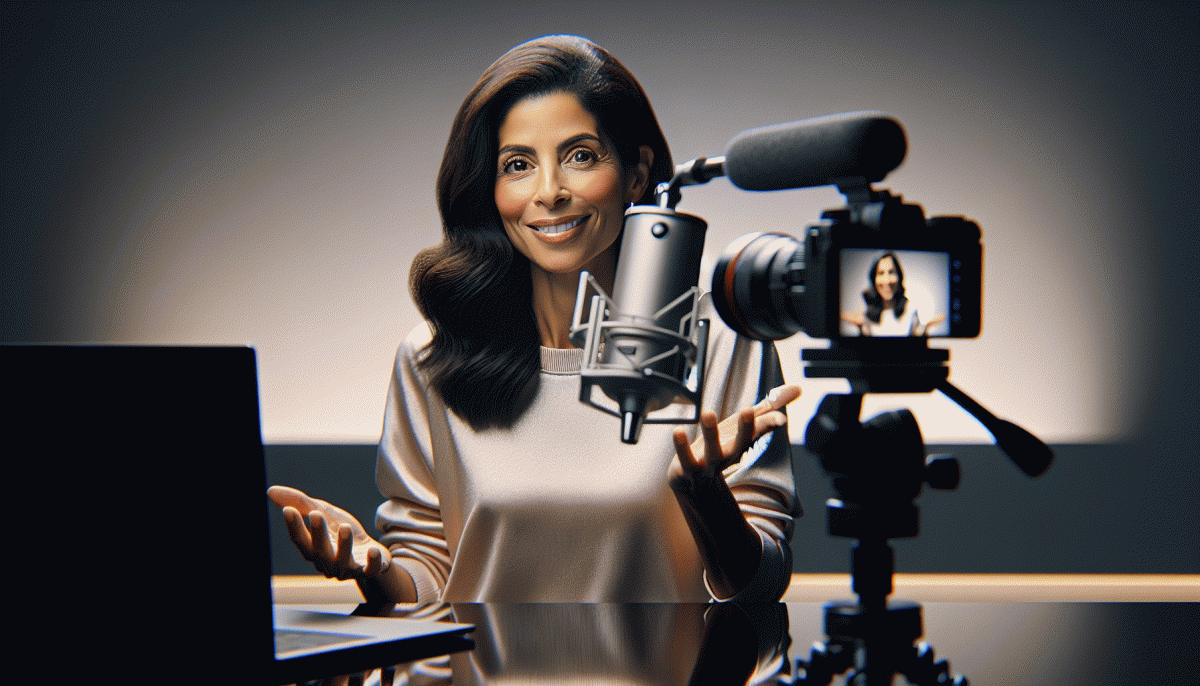
Set the stage in order: eye level camera, tidy background, soft front lighting, and close mic or headset. Place your phone or camera on a tripod so you can move without wobble, and switch on Do Not Disturb to block interruptions. Label your props and notes so you do not fumble when the chat fires questions.
Use this exact ten minute tech check. Minute 10: open the app and check login. Minute 9: frame the shot and test background. Minute 8: run audio levels and play a short clip to check clarity. Minute 7: toggle network to wifi or ethernet and confirm upload speed. Minute 6: enable camera, then toggle between front and back if you plan to show objects. Minute 5: check chat and moderation tools. Minute 4: test any screenshares. Minute 3: quick wardrobe fix and mirror check. Minute 2: read your first 30 seconds aloud. Minute 1: breathe, smile, hit that Go Live button.
Three short scripts you can steal: Hook: "Two quick tips for X in 60 seconds." Value: "Try this one change and you will see a difference by tomorrow." CTA: "If this helped, tap follow and drop a comment." Keep lines punchy and repeat the CTA once more midstream.
Want a little boost for the crowd count? Try this reliable resource: best Twitter boosting service. Pre game like a pro and the live will feel effortless, not awkward.
Hook Them Fast: Openers That Stop the Scroll in 10 Seconds
Stop thinking of your opener as a warm hello and start treating it like a headline: fast, clear, and slightly provocative. Lead with one strong beat — a shocking stat, a tiny cliffhanger, or a weird prop — and collapse everything else into supporting visuals and a 3–5 word promise. The goal is to make viewers pause their thumb, not win a debate. If you can make them say "wait, what?" in under five seconds, you win the algorithm and their attention.
Here are three reliable opener archetypes you can swipe and customize on the fly. Practice them until they feel like a muscle memory reaction, then rehearse your facial expression and timing until the pause lands like a drumbeat.
- Surprise: Show an unexpected object or result in frame immediately, then add a one-line teaser—curiosity hooks hard.
- Promise: Lead with a bold benefit in 3–5 words (example: "Fix your audio fast"). Follow quickly with the how or proof.
- Challenge: Start with a dare or a common myth busted—people love to see someone prove something wrong.
Delivery makes the opener stick: use jump cuts, a tight close-up, or bold on-screen text to reinforce your line. Keep energy high for the first 8–10 seconds, then settle into a rhythm that delivers what you promised. End every opener with a tiny cliff — a hint that more value is coming — so viewers watch through and your live gains momentum. Practice three openers and rotate them so you never go live without a plan. Treat each opener like a mini performance: rehearse, record, tweak, repeat.
No Dead Air: Segments, Prompts, and Smooth Transitions
Think of your live like a short show made of scenes. Break it into compact, purpose-driven chunks so there is always something to do when the chat goes quiet. Timebox each segment to 3 to 8 minutes: an energetic opener, a value drop, an audience interaction, and a quick wrap. When the clock is short, a tight plan keeps energy high and cringe low, because silence is just a sign that the next move needs to be obvious.
Build a tiny toolkit of microsegments that you can deploy on demand. Keep each one ready to launch with a single sentence prompt and a visual cue on your screen. Use this three-item cheat list during every stream:
- Hook: One sentence opener and a 30 second demo to grab attention.
- Prompt: A chat question or poll that takes under a minute to answer and brings people into the frame.
- Fallback: A quick tip or behind the scenes nugget when chat is slow.
Master transitions like a pro by rehearsing bridging lines that are short and specific. Examples: "While you answer that, here is a quick trick..." or "Okay chat, give me a 1 to 5 if you want a deep dive." Pin these scripts where they are visible, and prepare two go-to prompts: one for sparking replies and one for restarting momentum. Run a five minute dry rehearsal to practice timing, and always have three backup microsegments ready. End every stream with a clear next step for viewers to take so the energy converts into action rather than awkward silence.
Chat Magic: Keep Viewers Talking Without Losing Control
Think of chat as a living room, not a roar of ad hoc comments. Set an atmosphere from second one: greet people by name, drop a short pinned guide with the vibe you want, and open with a simple question that is easy to answer in one line. That small friction barrier keeps lurkers comfortable and reduces the kneejerk spam that kills conversation.
Build tiny rituals that scale. Use a three-step starter: welcome, prompt, and reward. For example, welcome viewers, ask a yes/no or emoji-only question, then spotlight a clever reply. Add automated quick replies for common asks so you can stay present on camera. Slow mode for high-traffic bursts and a pinned list of preferred emojis turn chaos into conversational signals.
Keep control without killing the vibe by training a core crew. Assign two moderators with clear roles: one who sprints on rule breaches, another who promotes engagement and highlights great comments. Use keyword filters and temporary timeouts rather than permanent bans. Emphasize that muting someone is a tool to protect the room, not a personal win.
Finally, loop viewers into the show with micro tasks: answer a trivia, guess the next clip, or drop a one-word summary. Celebrate participants with on-screen shoutouts and a predictable cadence so people know how to get noticed. End with a short actionable step you want everyone to take next so the chat leaves energized and ready to return.
Afterparty Profit: Save, Chop, and Repurpose for Maximum Reach
Think of your Live as a goldmine of content, not a one-off spectacle. Immediately save the replay, label it with the topic, and timestamp the moments that spark the most energy or questions — those are clip gold.
Next, chop smart: extract 15-60s scenes with clear hooks in the first 3 seconds, add subtitles, and trim to vertical formats for Reels or Shorts. Keep one strong takeaway per clip so viewers can share or rewatch without context.
Repurpose liberally: turn a punchline into a meme-sized video, a thoughtful reply into a captioned audiogram, and interesting audience questions into quote cards. Switch aspect ratios, tweak thumbnails, and add platform-specific CTAs.
If you want a fast lane for boosting reach and getting eyeballs on those chop-and-share moments, check out best SMM panel — it is a shortcut to more views, not a sneaky shortcut to cringe.
Workflow: Save, batch-edit three clips, schedule them across the week, and reuse the best-performing one as a 30-second ad or pinned post. Repeat, measure, and reinvest earned cash into better lighting or a mic — the afterparty can pay for the next show.
Read also
Go Live on Instagram Without the Cringe: Steal These Pro Tricks to Wow Viewers

Instagram Live Without the Cringe: The Unfair Playbook They Don't Want You to Use

Go Live on Instagram Without Cringe: The Shockingly Simple Playbook

Steal This $5/Day Ad Playbook: Grow Fast Without Torching Your Budget

You’ve Been Doing Instagram Live Wrong—Do This Before You Hit ‘Start’