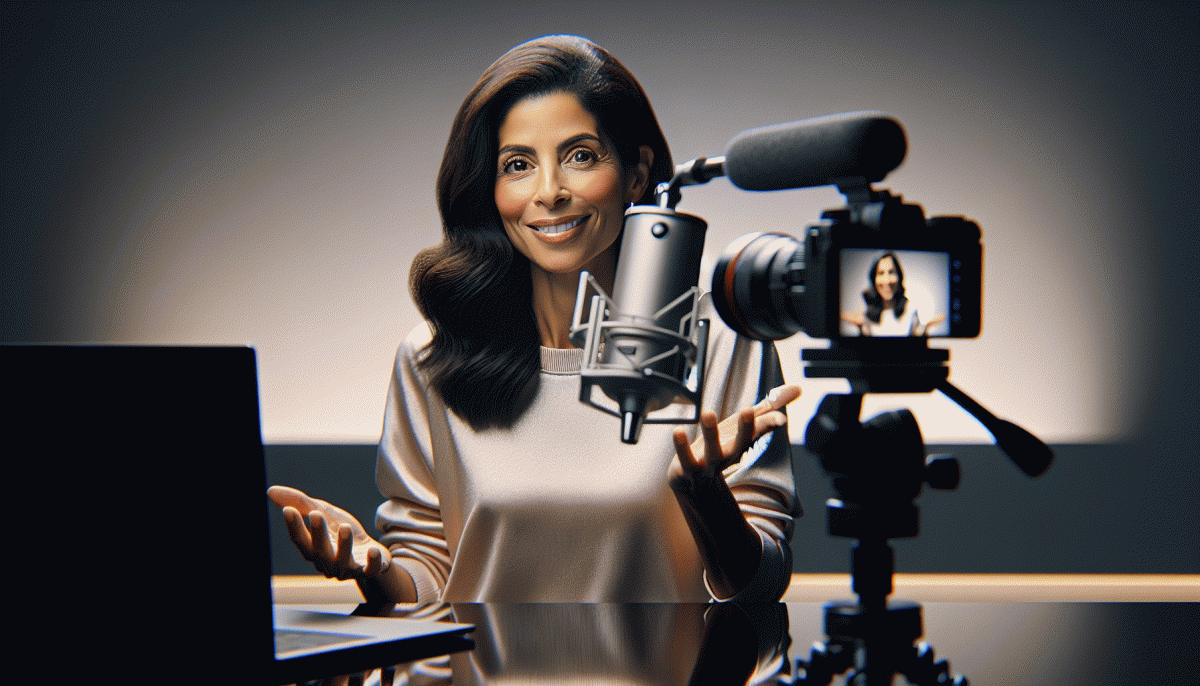
Go Live on Instagram Without the Cringe: Steal These Pro Tricks to Wow Viewers
Prep Like a Pro: A 10 Minute Run of Show That Saves Your Bacon
Ten minutes is all you need to turn nervous energy into a crisp live: a quick, repeatable run-of-show keeps you focused and stops that "uhhh" spiral. Treat this like a mini preflight—audio, light, topic, and audience hooks. Don't over-rehearse; instead, rehearse the structure so you can riff confidently.
Here's a lightning checklist to do in that ten minutes:
- Audio: Headset or mic on, test volume, and record a 10–20 second clip to check clarity.
- ⚙️ Visual: Three-second camera frame check—background, headroom, and catchlights in your eyes.
- Backup: Close unused apps, switch phone to Do Not Disturb, and have a short fallback topic ready.
Run the show like a short play: 10:00–6:00 — set the title and thumbnail, review comments moderation; 5:00–3:00 — open camera, greet the first viewers by name, deliver a 15–30 second hook that promises clear value; 2:00–1:00 — quick recap of what to expect and a call-to-action (follow, comment a word); 0:00 — smile, breathe, hit Go. Every 5–7 minutes announce what's next so viewers stay tuned and don't drop off.
Keep a tiny cheat sheet taped near your camera with three bullets: the opening hook, the main demo/tip, and a viewer prompt. If tech hiccups happen, narrate them briefly and pivot to story mode—people forgive glitches if you keep the energy up. Do this 10-minute prep three times and you'll stop saving bacon and start serving sizzle.
Angles, Audio, Action: Budget Gear That Makes You Look Premium
Small upgrades in angle and framing turn shaky phone streams into polished broadcasts. Raise your phone to just above eye level for a flattering view, lean slightly toward the camera, and use the rule of thirds — eyes on the top third line. For product demos, tilt the phone a touch downward; for face chats, keep it neutral. Use the rear camera for sharper detail when you can, then secure the shot with a cheap tripod or a stack of books and a self-timer or Bluetooth remote to avoid wobble.
Sound matters more than you think; viewers will forgive a wobbly frame but not muffled audio. A $15 lavalier clipped near your collar or a $40 USB condenser mic hooked to a laptop instantly elevates perceived quality. Add a foam windscreen, mute phone notifications, and test recordings in a quiet corner or under a blanket to tame echoes. If possible, monitor with headphones and aim for peaks around -6 dB to avoid clipping — small tweaks here yield huge returns.
Lighting and tiny, intentional moves sell the premium look. Bounce a lamp off a white wall, use a ring light for flattering catchlights, and add a small backlight behind you to separate your silhouette from the background. Match color temperatures to avoid weird skin tones and lock exposure in the camera app so your face doesn't auto-adjust mid-stream. Keep motion slow and deliberate: a measured lean or a step closer reads like confidence; jerky shifts read amateur. If you want background blur, put distance between you and the wall rather than relying on heavy filters.
Quick pre-live checklist to run in the last 60 seconds: camera height and grid on, mic clipped and levels checked, soft key light set, exposure locked, background tidy, notifications off. Rehearse a 30-second opener until it feels like breathing and combine two budget upgrades — better audio plus one good light or a steady mount — to multiply perceived quality. Little investments plus a practiced setup are the secret to looking premium without the cringe or a big budget.
Open Strong, Win the Scroll: 7 Hooks That Stop Swipes Cold
Viewers decide in three seconds whether to stay. Start with a pulse, not a monologue: punchy, specific, and oddly human. Think of your opening as a tiny promise—one crisp claim that makes people glad they stopped scrolling. That tiny promise is what converts a passerby into a viewer who actually listens.
Here are three hooks to memorize and deploy in the first 7 seconds:
- Surprise: Reveal something unexpected about you or the topic—one quick fact or twist that makes viewers think "wait, what?"
- Benefit: Lead with what they will get—"How to save 20 minutes with one trick"—so curiosity meets value instantly.
- Shock: Use a bold statement or counterintuitive number to jolt attention, then follow up with proof or a demo.
Deliver these hooks with energy: cut filler words, use a visual prop, and pause before the payoff to build tension. Vary camera framing in the first 10 seconds to add motion. Other effective hooks include a provocative question, a tiny demo, a behind the scenes tease, or a humor jolt—rotate them so your channel feels fresh.
Practice three openers, time the first ten seconds, and track retention. Swap in a different hook each stream until you find the combo that stops swipes and keeps people talking. Quick, bold, authentic—that is how you win the scroll.
Chat Chaos, Tamed: Mod Tools, Q&A, and Troll Proofing That Keep You Sane
Chats on Instagram Live can flip from friendly to feral in seconds, so set up defenses before you hit the red button. Turn on comment filters, add a keyword block list, enable slow mode for high-traffic moments, and pre-populate an auto-hide list for slurs and spammy links. Do these once and save the mental bandwidth for being entertaining.
Structure your Q&A like a mini show. Ask followers to drop questions via the Questions sticker before and during the broadcast, then pin a short FAQ or rules comment so everyone knows how to play nice. Use prepared one-liners for common questions, timebox each segment to keep pace, and let a co-host read the “best” questions so your answers stay sharp.
Troll-proofing is about layers: make the stream follower-only when needed, limit replies to people you follow, and give moderators clear escalation steps — mute, remove, ban, report. Assign two moderators with distinct roles (one handles chat, one handles viewers) and agree on a single emoji signal to indicate a user needs action. That tiny protocol prevents drama and keeps the vibe intact.
If packing the room with real viewers is part of the plan, combine polished moderation with smart promotion. For safe, fast boosts that keep chat lively and authentic try get Instagram live video fast, then lean on your moderation playbook so the buzz stays positive and you stay sane.
End Like a Boss: CTAs, Repurposing, and Metrics That Turn Live Views Into Sales
The final minute of your live is not a shrug and goodbye; it is a micro-concerted sales push. Lead with a 20–30 second recap that restates the core benefit, thanks your audience, and gives one unmistakable next step. Keep the momentum: repeat that step verbally, show it on-screen, and pin it in chat so it is the last thing viewers see.
Nail your CTAs with surgical precision. Use one primary action (buy, DM, sign up), one short benefit-first line like "Get 20% off with code LIVE20" or "DM BOOK to reserve," and one persistent visual cue such as an overlay or pinned comment. Remind people where the link lives (link in bio) and make the ask urgent but honest. Run a simple A/B test across streams to see which phrasing wins.
Repurposing turns a single broadcast into a week of content and a long tail of buyers. Chop the best 15–60 second moments into reels, add subtitles, compile top questions into a Q A post, and transcribe the full session for a blog or email series. Save chat testimonials and product reactions to reuse as social proof. Batch these tasks the day after the live to keep content flow smooth.
Measure what matters: conversion rate from viewers to CTA, click-throughs on post-live links, watch time retention points, peak concurrent viewers, and which timestamps generate purchases. Tag links with UTMs, track follow-up actions in your CRM, and set a simple target like a 2 percent conversion to optimize toward. Iterate fast and your lives will move from fun demos to predictable revenue generators.
Read also
Still Crushing Instagram Without Ads? Steal These Organic Tactics

Instagram Live Without the Cringe: The Unfair Playbook They Don't Want You to Use
Go Live on Instagram Without Cringe: The Shockingly Simple Playbook
Live on Instagram Without Embarrassment: Pro Secrets That Actually Work
Steal These Instagram 2026 Secrets: What Works Now (and What to Ditch)