Go Live on Instagram Without Cringe: The Zero Embarrassment Playbook
Preflight Checklist: Gear, Framing, and Calm Nerves
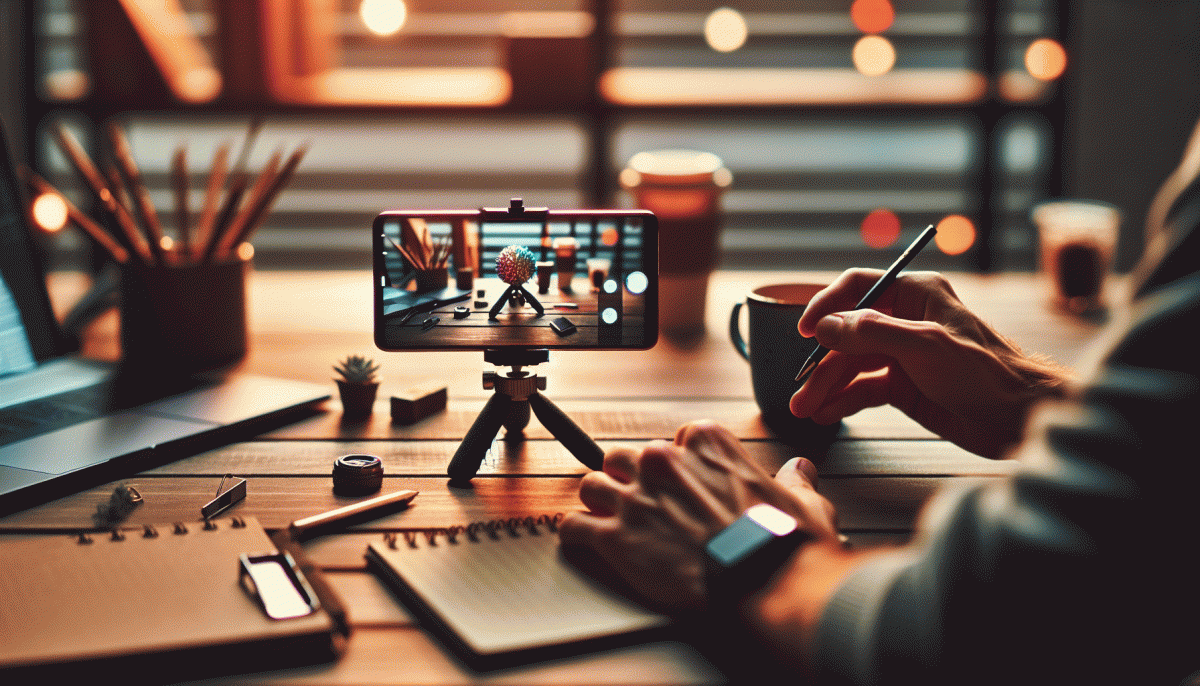
Plug in your charger, clear a 3x3-foot stage, and get practical: angle the phone at eye level, lock focus, use a tripod or stack books, switch to airplane mode to kill interruptions, and close background apps. Check battery, free storage, and that the mic is unobstructed. A quick lighting tweak often beats a million-dollar camera.
Frame like you mean it: place your eyes along the top third, leave a little headroom, and avoid centering your nose in the middle of the screen. Soft, angled light from one side and a reflector (white paper works) on the other gives flattering depth. When you are ready, consider extras like moderation tools or a boosting partner — buy TT live video today.
Nerves are normal; treat them like friendly static. Run a 60-second rehearsal, scaffold your intro with three cues (greeting, value, hook), and keep a tiny note card nearby. Practice a breath routine: inhale for four, hold for four, exhale for six. If you mess up, smile and move on — audiences forgive humanity.
Final preflight: test audio on both phone speaker and headphones, check Wi-Fi and hotspot fallback, set comment rules, and have water within easy reach. Hit record privately first, watch it back, then go live with permission to be imperfect. The safer you feel, the less cringe you will make.
Open Strong: Hooks That Stop the Scroll in Seconds
Stun your audience in the opening three seconds: start with a tiny, unexpected scene, a rapid-fire number, or a dare. Use a micro-story (I failed live — then this trick saved me) or a crisp, specific promise (How to get 100 views in 10 minutes). Keep sentences short, voice active, and energy up — boredom is the main cringe. Swap vague starts for clear value: what benefit do viewers get if they stay 10 seconds? Lead with that.
Quick formats you can swipe and adapt on the fly:
- Immediate: Promise a win up front — a count, shortcut, or reveal that answers “what do I get?”
- Curiosity: Tease something slightly mysterious so viewers feel they must stick around for the payoff.
- Proof: Flash evidence — a before/after, a screenshot, or a three-word testimonial that backs the claim.
Timing and delivery close the deal: punch the hook in the first line, match your facial energy to the promise, and trim anything that slows the pace. For ready-to-use templates and tested opening lines you can adapt, see order Instagram boosting — use examples, not scripts, and make them yours.
Practice two hooks before every go-live: one bold promise and one curiosity tease. Run them out loud, ditch any line that sounds rehearsed, and keep the vibe human. That mix of clarity, surprise, and authenticity is the antidote to cringe.
Be the Host, Not the Deer in Headlights
Think of your live like a friendly house party you host, not a surprise interrogation. Before you hit broadcast, write a three-line opener you can say without thinking: who you are in one sentence, what this stream will do for viewers, and a cheeky reason to stick around. Memorize those three lines like a magic trick — they anchor you when nerves want to improvise.
Build ritual beats: a 30-second camera check, two deep breaths, and a smile at the lens. Keep one index card with tiny prompts — intro, pivot, and a closing call-to-action — so you never stare blankly at the screen. These small cues let you steer the conversation so you look purposeful, not panicked.
Plan a micro-structure: a 60-second hook, 5 minutes of value, then a Q&A seed. Early in the stream ask a simple question and invite comments; naming people who reply turns viewers into collaborators. When you reuse short clips afterward, you'll sound like the confident host you were in the moment — consistency sells credibility.
Finally, treat mistakes as charming detours rather than failures. Laugh, recover, move on — viewers prefer real human hosts over flawless robots. Practice this template three times before going live and you'll replace that deer-in-headlights pause with a practiced smile that keeps people watching and coming back.
Crisis Control: What to Do When Tech Gremlins Attack
Tech hiccups are the ultimate live stream party poopers. Keep your voice steady: viewers tolerate a glitch, they do not tolerate panic. Take five seconds, breathe, and narrate the issue like a pro so the room stays calm.
Quick triage is everything. Check Wi Fi, swap to a cellular hotspot, toggle camera and mic, then restart the app only if you have spare time. If video is lost, switch to phone portrait mode and keep the chat alive while you problem solve.
Have a low tech backup ready: a pre recorded clip, an audio only option, or a slide image you can share while you fix the feed. A simple "we are troubleshooting" visual keeps attention and reduces drop off.
Be candid and witty with viewers; humor defuses awkward silence. Pin an update and ask people to stay and invite friends. For fast visibility fixes after the stream consider smm provider to boost fallback reach.
Assign roles before you go live: a tech buddy who handles reconnection, a moderator who manages comments, and you as the face. Keep a one page checklist near your setup so anyone can step in without a briefing.
After the dust settles, run a short post mortem: record what went wrong, what worked, and rehearse the recovery steps twice. Each live is a lesson; the more you plan for gremlins, the less embarrassing the show.
Turn One Live Into Ten Assets: Replays, Reels, and Snippets
Treat a single live like a content factory instead of a one-off performance. The live stream is your raw gold: the full replay is the master file, and every laugh, question, and mic drop can become a snackable asset. Work with the mindset that you will extract at least ten usable pieces before you close the editor. This removes pressure during the live and makes post-production a purposeful, creative sprint rather than a painful cleanup.
Start with a tight pipeline: export the full replay, generate a transcript, and mark timestamps for the top five moments. From those moments create a 45-60 second Highlight Reel, two 15-30 second Teasers optimized for rapid scrolling, and three 10-20 second Tip Snippets that answer single questions. Add captions, punch up audio levels, and save a vertical crop for Reels and a square crop for the feed. Reuse the best 10 seconds of audio as a hook across multiple short clips.
Use small templates to speed production.
Hook: one-sentence caption that promises value.
Context: two lines explaining the clip.
CTA: one clear action like Save, Watch Replay, or Ask a Question. Create three thumbnail variations with bold overlay text so you can A/B test which hook wins. Repurpose the transcript into short captions, quote cards, and carousel posts to multiply reach without recreating content from scratch.
Schedule for maximum mileage: post the replay the same day, drop two teasers the next day, then roll out snippets across the next 4 days. Crosspost the short clips to other platforms while adapting aspect ratio and caption length. Track simple KPIs like views, saves, and comments to see which moments attract engagement, then iterate. Small, consistent repurposing kills cringe because you get more upside from the same brave 30 minutes on camera.
Read also

Instagram Live Without the Cringe: The Unfair Playbook They Don't Want You to Use

Go Live on Instagram Without Cringe: The Shockingly Simple Playbook
Go Live on Instagram Without the Cringe: Steal These Pro Tricks to Wow Viewers
Live on Instagram Without Embarrassment: Pro Secrets That Actually Work
You’ve Been Doing Instagram Live Wrong—Do This Before You Hit ‘Start’