Go Live on Instagram Without Cringe: The Unawkward Playbook Marketers Swear By
The 10-Minute Prep Ritual That Saves You From Awkward Silence
Ten minutes is all it takes to replace awkward pauses with confident flow. Start by picking a single goal for the session and jot three bite-sized talking points. Stage your frame: quick background sweep, light from the front, camera at eye level. Do a one-line mic check and glance at your props—phone, product, or notes—so nothing surprises you mid-stream.
Treat the ten minutes like a micro-rehearsal: Minute 1–2: choose goal and points.
Minute 3–4: adjust light and camera; tidy background.
Minute 5: audio and internet check.
Minutes 6–8: run a two-minute open and one engaging question.
Minute 9: pin your first line and a quick smile.
Minute 10: hit record.
Have three plug-and-play openers ready so you never stare at a blank screen: a quick stat, a tiny story, and a playful question. If chat is slow, use a safety net: ask for opinions, launch a one-question poll, or challenge viewers with a two-step task. Keep a single sticky note with the CTAs you actually want to hit.
Practice a 30-second intro aloud once, then breathe deeply for ten seconds before going live to calm jittery energy. Use a visible timer to stay truthful to the ten-minute ritual and celebrate small wins after the stream—one new follower, one thoughtful comment. Repeat the ritual before every session and watch awkward silence become an urban legend.
Open Strong: Icebreakers That Spike Retention in the First 30 Seconds
Most viewers decide inside the first few seconds if they will stay. Flip that instinct with a micro commitment formula you can deliver without sounding rehearsed: Hook + Proof + Mini ask. Lead with one concise sentence that promises a clear benefit, show a tiny visual or stat to back it up, then invite a tiny action such as type yes in chat or tap the heart.
Try openers that are specific and quick. A bold promise opener names an outcome viewers care about, an either or opener prompts a fast choice, and a prop opener reveals a simple before and after. For example use lines like Want three quick tips to book more calls this week or Which color wins A or B to get immediate cognitive engagement.
Production choices amplify the hook. Frame tight so your face fills the screen, eliminate ambient noise, and surface a caption overlay for muted viewers. Get a verifiable result on screen by five seconds and keep the first spoken sentence under six seconds. Lean forward a touch to signal energy and cut to a visual proof or demo rapidly.
Make this practiceable: rehearse two different openers, test them across similar time slots, and measure 30 second retention as your optimization metric. Small swaps like changing the opening verb or adding a quick name check often move the needle. Run one experiment this week and iterate based on what keeps eyes glued.
Chat on Fire: Prompts and CTAs That Flood the Comments
Think of every CTA as a tiny mission you hand to your viewers: clear, fast, and impossible to ignore. Swap vague asks like 'tell me your thoughts' for single-action commands that spare people the brainwork—examples that land: 'Drop one word that describes this vibe', 'Type 1 for yes, 2 for no', or 'Comment your city and I'll call you out live'. Keep each prompt under eight words so people can react without stepping out of the moment.
Design prompts that scale conversation. Binary choices convert wildly: present A vs B, then say 'emoji vote now: ? for A, ? for B'. Rotate formats so it feels fresh—quick polls, fill-the-blank lines, and micro-challenges like 'caption this in one word'. Use urgent framing: 'first 10 to answer get a shoutout', or timebox it—'60 seconds to vote'—which nudges people to act instead of ponder.
Seed the chat before it snowballs: pin a starter comment with a question and a sample reply to lower friction, then reward early birds with mentions and follow-ups. Scripts that work on replay: acknowledge 3 replies every minute, ask a follow-up ('Why that pick?'), and tag a responder by name to build social proof. If you want tags, say 'Tag a friend who needs to see this'—it multiplies reach while staying helpful, not spammy.
Timing wins: lead with a fast CTA in minute one, drop a mid-stream engagement boost, then close with a memorable action that converts chat into outcomes—'save this tip and DM me your biggest win' or 'comment DONE for the checklist'—so your live ends with momentum, not silence. Treat these prompts like beats in a song: catchy, repeatable, and designed to get everyone dancing in the comments.
Phone, Light, Action: A no-fuss setup that looks pro on a budget
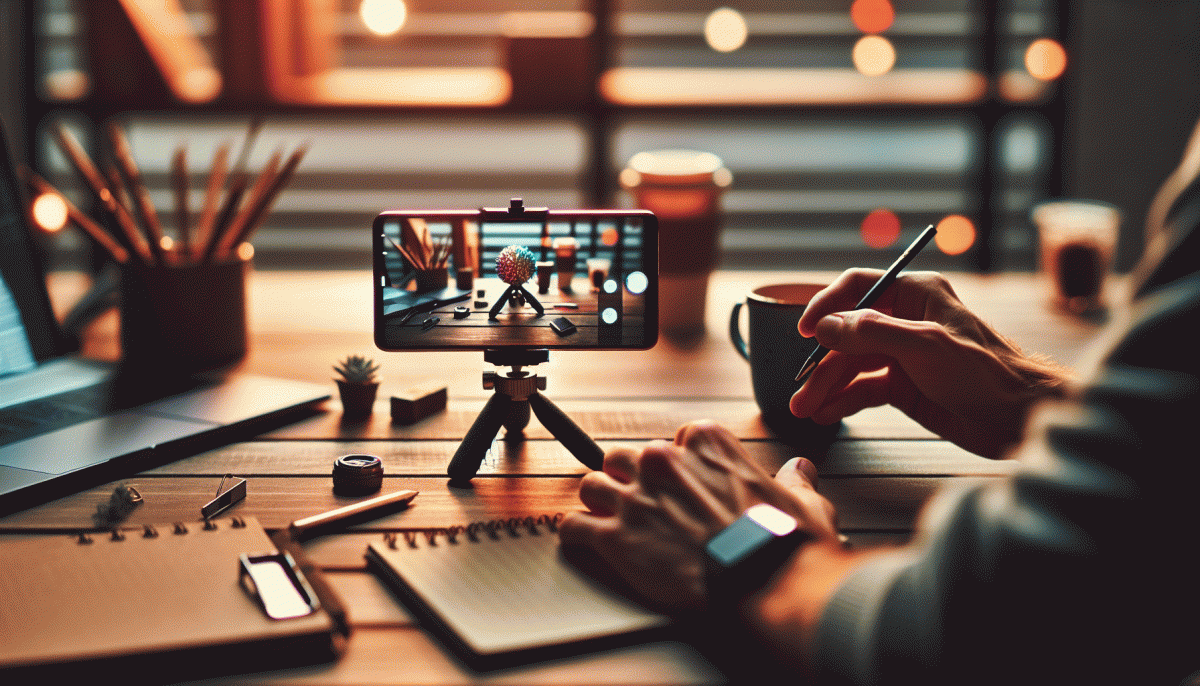
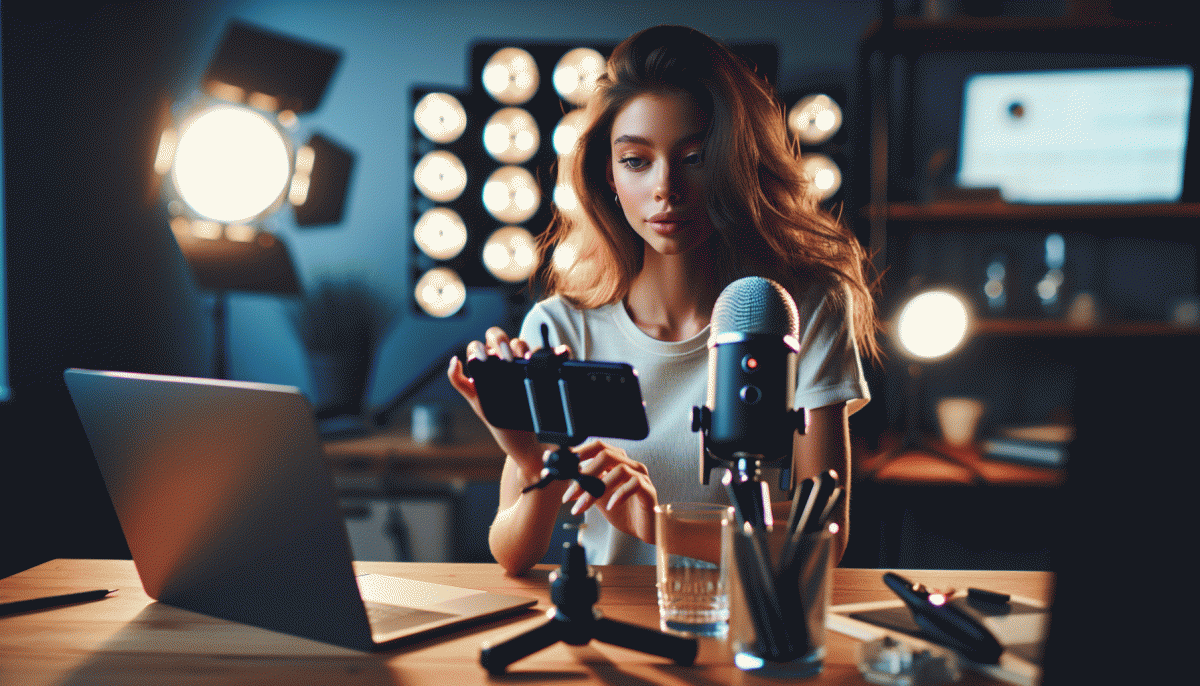
Grab your phone, not your courage: mount it at eye level on any tripod or a stack of books. Use the rear camera for sharper detail, lock exposure and focus (tap and hold), and leave a little headroom — not a floating forehead or chopped chin. Keep the background simple; a plant or textured wall looks way less staged than clutter.
Lighting does not need studio money. Face a bright window for soft, flattering light and bounce a bit back with white poster board to fill shadows. If shooting at night, a cheap LED panel or ring light with adjustable color temperature keeps skin tones natural. Diffuse harsh light with a thin white cloth and aim for even illumination across your face — dramatic shadows are for film noir, not Q and A.
Sound and interruptions make or break not-cringe. Clip in a lavalier or use wired earbuds with a built-in mic, keep the phone close, and enable Do Not Disturb. Record a 10-second test to check levels, then glance at battery and free storage before you go live. If you move, stabilize with a gimbal or plant both feet — jitter is contagious and viewers notice.
Want a shortcut to more eyeballs once you nail the setup? Pair steady tech with smarter distribution: Instagram boosting service to help your first live hit the right audience. DIY setup plus a little give-me-noticed fuel equals confident, pro-looking streams without selling your soul.
Crisis Mode: What to do when trolls, tech gremlins, or dead air strike
When live goes sideways, the audience wants leadership not panic. Start by naming the problem in one calm sentence so you regain control and humanize the moment. A short house line like "Small tech pause, back in 60 seconds" or "Quick reset while I fix this" signals competence and keeps viewers from fleeing.
Create a fast triage checklist and memorize it. For trolls: mute, hide, and if needed ban; do not feed them. For tech gremlins: switch to phone hotspot, drop to lower resolution, or roll a preloaded clip. For dead air: pivot to an intentional filler such as a product close up, a rapid Q and A, or a spontaneous behind the scenes tour.
Keep three micro scripts pinned where you can see them. Script A for hiccups: "Thanks for your patience, we are fixing a small issue and will be right back." Script B for trolls: "We welcome respectful conversation, and we will remove comments that do not follow the rules." Script C for long fixes: "Hit the heart if you are still here and tell me what you want covered next."
After the dust settles, do not ghost the audience. Save the recording, clip the teachable moment, pin a clarifying comment, and follow up in Stories. Treat failures as fuel: reuse them as authenticity driven content, and if you want a safety net book a cohost or an automated roll in video before your next live.
Read also

Instagram Live Without the Cringe: The Unfair Playbook They Don't Want You to Use
Go Live on Instagram Without Cringe: The Shockingly Simple Playbook
Go Live on Instagram Without the Cringe: Steal These Pro Tricks to Wow Viewers
Live on Instagram Without Embarrassment: Pro Secrets That Actually Work
You’ve Been Doing Instagram Live Wrong—Do This Before You Hit ‘Start’