Go Live on Instagram Without Cringe: The Foolproof Playbook They Don't Want You to See
Press Go With a Game Plan: A 5-minute prep that stops the awkward
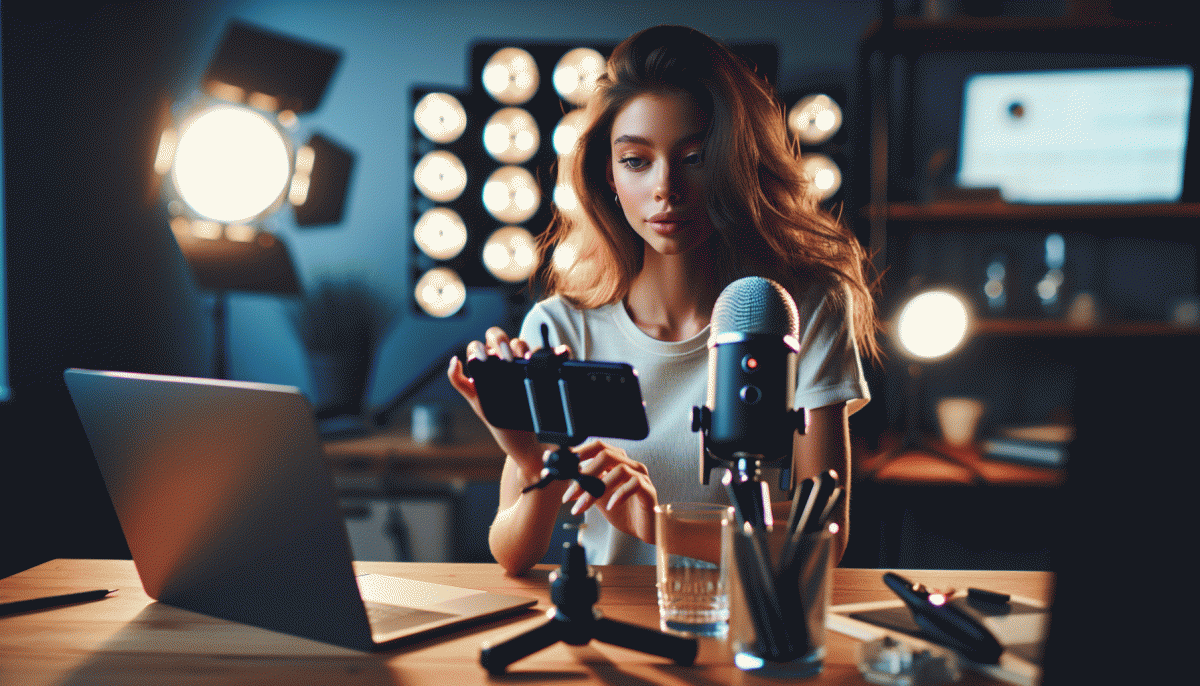
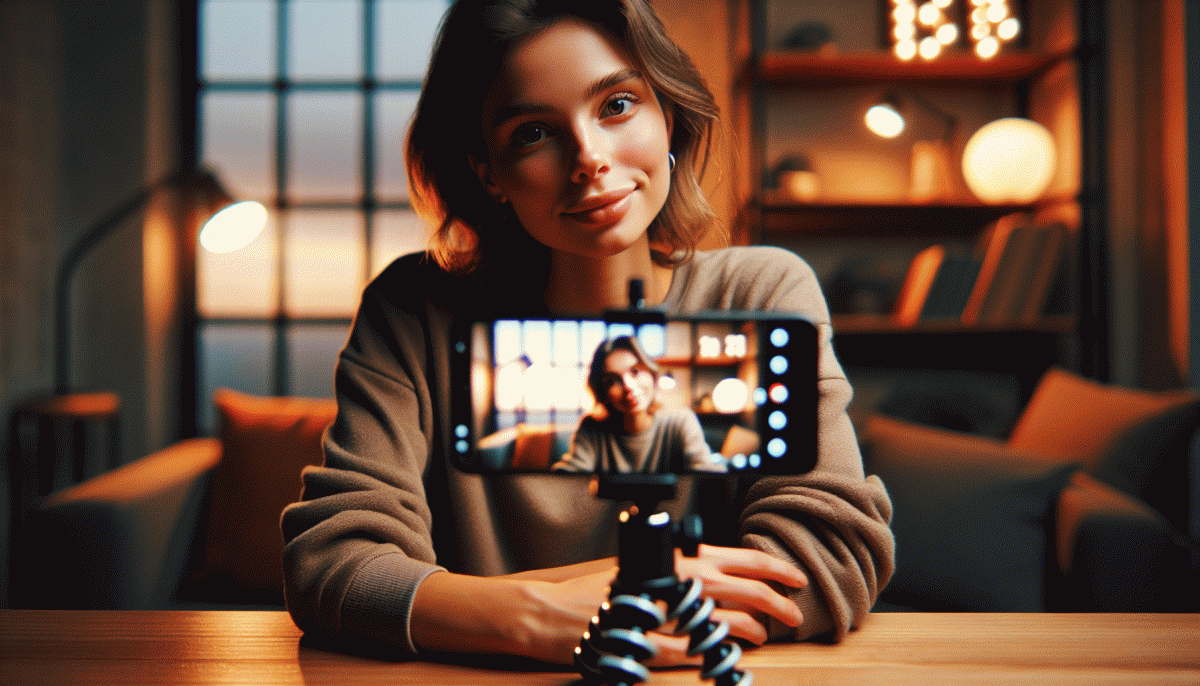
Think of this as your five-minute warmup routine that makes you look like you rehearsed for hours. Start by fixing one light source at eye level, tilt your device to a flattering angle, and move anything distracting out of frame. Do a quick sound check: speak at the volume you plan to use and listen back for echoes. Close distracting apps and put your phone on Do Not Disturb so the only interruptions are the good kind — applause.
Next, craft a three-line opener that feels natural and hooks people: 1) who you are, 2) what this stream is about, 3) what to do next. Practice it once out loud — the rhythm matters more than perfection. Give yourself a tiny prop or a signature gesture to break the ice, and remember to breathe slower than feels normal; calmer breathing = clearer voice and more magnetic energy.
If you want to skip the silence and jump into a fuller room, boost mrpopular can help seed viewers so you focus on the conversation, not the empty chat. Use it as a confidence nudge, not a crutch: real engagement comes from your personality, but a lively audience makes it easier to shine.
Final sixty seconds: check framing, mute notifications, glance at your notes, decide how you'll greet the first live commenter, and hit record or go live. Treat the start like an entrance — own it, smile, and let the rest unfold.
Look and Sound Pro: Lighting, angles, and audio that flatter (on any budget)
Good lighting and clear sound do the heavy lifting for perceived professionalism. Start by treating light like makeup: use a soft, frontal key light at eye level to flatter features, avoid overhead fluorescents that create harsh shadows, and bounce light with a white poster board or cheap foam core to fill in dark areas. Place your camera at eye level or slightly above and keep the background tidy so it supports your message instead of stealing the show.
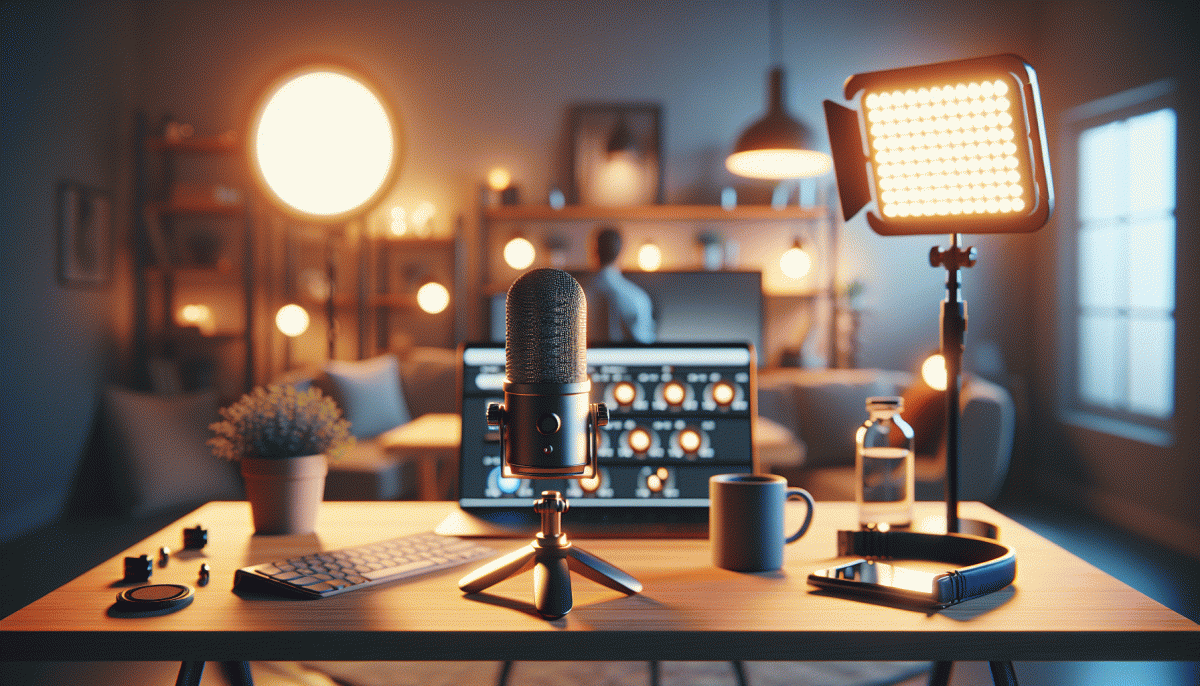
Pick a setup that fits your wallet. For the cheapest option use window light with a sheer curtain to diffuse harsh rays; a mid tier choice is a clamp lamp with a daylight 5000K LED bulb for consistent color; ring lights give even coverage but can look flat if you rely only on them. Match all lights to the same color temperature, lock exposure if possible to avoid sudden jumps, and set white balance so skin tones read true.
Sound holds attention even more than video. If you can, get a lavalier that plugs into your phone or a small USB condenser for desktop streams; if not, position any headset or phone mic as close to your mouth as practical. Treat the room like a mini studio: hang a blanket behind you, put a rug underfoot, close windows, and mute notifications. Record a quick 10 second test and listen on headphones to catch hiss, echo, or unexpected noises before you go live.
Frame for connection: keep your eyes about one third from the top of frame, leave some shoulder space, and place the camera slightly further back then zoom in to avoid wide angle distortion. Practice a three line opener and a warm smile so you can start confident not robotic.
Pro tip: lean in when you want emphasis and step back to reset energy. Run one last check of background and audio meters, take a breath, and go.
Hook Fast: Exactly what to say in the first 10 seconds
You have ten seconds. Use them like currency: open with a bold, specific promise that names the outcome and the timespan. Try a one-line opener such as "Double your Reels watch time in 7 days" — then pause. That short pause and a clear benefit stop scrolling and buy you more attention.
Keep the language tiny and vivid.
Script 1: "Stop scrolling — learn one trick that doubles views." Script 2: "In 60 seconds I will fix your caption strategy." Script 3: "Three mistakes killing your reach and how to fix them now." Deliver one sentence, then a 0.5–1 second pause to let curiosity work.
Structure the first 10 seconds: 2 seconds hook, 3–5 seconds reason, last 3–5 seconds tease the value and call to action. Match energy to the claim — louder for big promises, softer for secrets. If you want a credibility shortcut on launch day, test this early and consider this provider: best Instagram boosting service.
Rehearse each opener until it feels natural, film three takes, pick the best, add captions and a pinned comment that repeats the promise. Final micro-script to use: "Give me 60 seconds and I will show you how to get more eyes on your posts" — then deliver the first tip. That is your non-cringe win button.
Own the Chat: Boost comments, handle trolls, kill dead air
Own the chat like a warm, loud friend: seed it with tiny prompts that invite one-word answers (city, emoji, yes/no), pin the best reply, and read names aloud. Before you go live, write six micro-prompts and memorize three switch-up moves so silence never becomes a cliff. Use callouts like “Tell me your favorite GIF!” to get momentum.
Bring a trusted moderator or two and set tools in advance: slow mode, profanity filters, and a short comment guide. If you want a spike of early activity, consider a reliable push — get Instagram live video instantly — but pair paid boosts with real prompts so those comments land in conversation, not in a void.
Trolls are energy; decide your policy and stick to it. Light nudges and humor work when safe, deletion and timeouts work when not, and immediate bans work when persistent. Tell viewers the rule out loud once and enforce it once. Train moderators with three short responses: a gentle redirection, a firm warning, and a swift removal script.
Kill dead air with micro-segments: 60-second shoutouts, rapid-fire Q&A, a two-line demo, and a viewer challenge that asks for a comment reply. Keep a small bank of one-sentence segues ready so you can bridge, tease the next live, and finish with a pinned CTA that asks one exact thing to comment — that comment is your new heartbeat.
After the Live: Repurpose, caption, and sell without feeling salesy
You just ended a live and the work is only beginning. Start by timestamping the best moments: a quick win, a surprising insight, and the clearest demo. Export 15–60 second clips for Reels and Stories, a 60–90 second highlight for the feed, and a trimmed audio snippet for a short podcast or voice memo. Batch processing here saves time and keeps your tone consistent.
Captions are your secret amplifier. Open with a sharp hook, add one line of context, then give a micro takeaway that is genuinely useful. End with a soft call to action like invite to reply, save, or DM for a checklist. Pull one memorable quote from the live and place it in bold to create shareable pull quote content.
Selling should feel like helping, not pitching. Lead with value, demonstrate one tiny result, then position your offer as the next logical step. Sprinkle in social proof from the live and limit the offer to make decisions easier. A small guarantee or trial reduces friction and keeps your voice friendly, not pushy.
Quick finish checklist: 1) Trim and batch export clips; 2) Draft a hook + one value sentence + a soft CTA; 3) Pin your top clip and promote it as a small paid boost within 48 hours. Momentum equals conversions.
Read also

Instagram Live Without the Cringe: The Unfair Playbook They Don't Want You to Use
Go Live on Instagram Without Cringe: The Shockingly Simple Playbook
Go Live on Instagram Without the Cringe: Steal These Pro Tricks to Wow Viewers
Live on Instagram Without Embarrassment: Pro Secrets That Actually Work
Go Viral Fast Without Ads: The Social Growth Playbook They Won't Tell You About