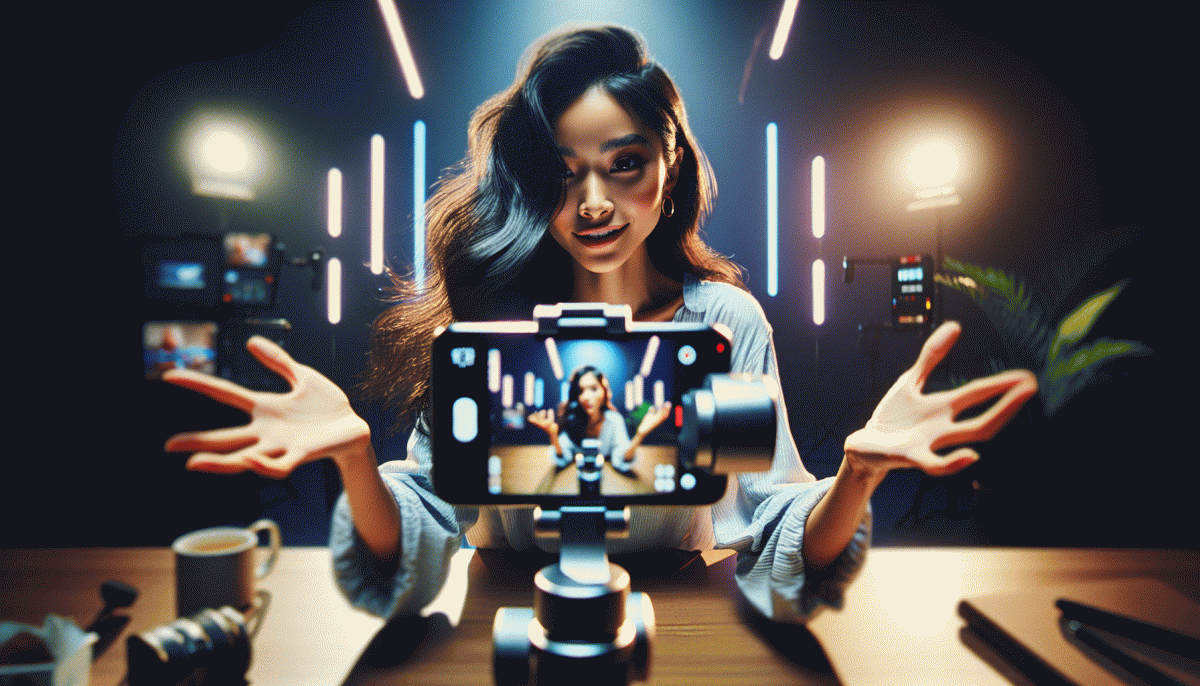
What Works Best on TikTok in 2026? We Cracked the Code
Hook 'em in 3 Seconds: Openers That Stop the Scroll
First impressions on TikTok now live in the blink between the thumbnail and beat one. That means your opener must give a reason to stay within three seconds: a visual jolt, a tiny promise, or a puzzling action that begs an answer. Start with movement (a rapid zoom, hands-on reveal, or change in lighting), pack one clear line of text into frame-one, and let the audio drop on beat. Simple edits win: a cut on the first syllable keeps eyeballs locked.
Don't overcomplicate the message—make the first sentence a micro-story. Try a 2-part opener: a hook line that creates curiosity, then a tiny proof shot in the next second. Example scripts you can swipe: 'Watch me fix this in 7 seconds,' 'I bet you didn't know this hack,' or 'Stop scrolling if you hate wasting money.' Record three versions with different energy levels and test which retains viewers past 2.5s.
Technical wins matter: bold, high-contrast text, portrait-friendly close-ups, and an immediate sound cue that signals relevance. Swap the first-frame thumbnail to match the opener and keep captions short—people decide in a flash. Use retention, not likes, as your litmus test; if the first three seconds flop, the rest never gets a chance. Iterate weekly, not monthly.
Here are three ready-to-use openers to copy, each built to grab attention instantly
- Promise: 'Wait for the reveal' + a fast cut to the payoff—sets expectation and delivers satisfaction.
- Shock: Start with a bold stat or unexpected action—forces curiosity and keeps swipes low.
- Tease: Offer a free micro-takeaway in 5 seconds—gives value before the algorithm judges.
Use these as templates, not scripts: tweak wording, speed, and lighting for your niche and personality so the opener feels native, not staged.
Short, Snappy, Subtitled: The 15-30s Sweet Spot
Think of the 15–30 second clip as TikTok espresso: concentrated, caffeinated, and impossible to ignore. Algorithms reward complete watches and quick replays, so focus on earning views through rhythm, not explanation. Hook within the first 1–2 seconds, then keep cuts brisk, pacing to beats so the audience has no time to scroll away.
Subtitles are essential — they turn sound-off viewers into watchers who stay. Use two short lines max, sync text to key beats, and highlight the payoff with a bold on-screen label. If you want to accelerate early testing and distribution while you fine tune hooks, consider buy cheap reach to collect the initial engagement signals.
Winning micro formats include single-idea POVs, rapid micro-tutorials, satisfying reveals, and loopable transitions. Design an arc: hook, promise, payoff — all under thirty seconds. For example, a three-step hack with a tidy visual reveal at the end often loops well and earns shares.
Design subtitles for one-thumb screens: large sans-serif type, high contrast, and short line length so text reads at a glance. Auto-captions can speed workflow but always correct timing and mistakes. Use motion on text to nudge attention, not to compete with your visual hook, and leave safe space from the frame edges.
Treat the format like a lab: batch produce variants, swap opening hooks, and A/B test covers and CTAs. Track completion rate, sound-on versus sound-off performance, and early hour engagement. When a version wins, scale by tweaking hooks or audience targeting rather than remaking the whole creative.
Trendjacking Without Trying Too Hard: Duets, Stitches, and Sounds
Trendjacking doesn't mean drowning in every viral wave. Use duets, stitches, and sounds to borrow momentum while keeping your brand voice intact. Treat them like TikTok's remix kit: low effort, high reach, and perfect for creators who want to be smart, not spammy.
Duets are handshake moments — react, amplify, or continue the story. Keep yours short (3-10s), lead with a bold visual in the first second, and show something the original didn't: a quick tip, a surprised face, or a behind-the-scenes reveal. Add a tiny caption prompt like "Try this next" to invite replies and spark follow-ups.
Stitches are your micro-interviews and mini-tutorials. Clip the emotional core of the original, then flip it into a clear takeaway: myth-bust, demo, or witty rebuttal. Seven to twelve seconds is often enough to land a point and still leave viewers wanting to watch the source — which helps both creators and your discoverability.
Sounds are the secret multiplier. Pick trending audio, but give it a twist — change tempo, add a subtle voiceover, or pair the beat with unexpected visuals. Save useful sounds into a private playlist so you can deploy them the moment a trend spikes, and test a muted version to see if your visuals alone can carry the idea.
Measure success by views-per-follower and engagement rate, then run three quick experiments per trend: a duet, a stitch, and a sound-based rework. Small, frequent tests win — try one micro-remix today, learn fast, and you'll be trendjacking in your sleep (well, almost).
Creator Collabs That Don't Break the Budget
Stretching a tiny creator budget starts with a mindset shift: think partnership, not sponsorship. Micro creators trade reach for authenticity, and that trade wins on TikTok in 2026. Prioritize creators who make content your audience already loves, then swap ideas and assets so both sides get fresh, native-feeling videos without a giant invoice.
Practical formats beat polished ads. Propose duets, stitches, quick tutorials, behind the scenes, or a two-part series that lives on both feeds. Offer a clear brief and one flexible creative angle, then let the creator run. When you recycle clips into Stories, ads, and repurposed shorts, a single collaboration multiplies into a month of content.
Structure deals to reduce cash outlay: product seeding, affiliate splits, and small performance bonuses keep creators motivated. Use simple legal language for usage rights and a 1-2 metric KPI so expectations stay aligned. Protect your time by batching shoots and offering templates that speed editing for both parties.
Boost the tiniest wins with smart amplification rather than big buys — promote the best-performing collab posts and add a little paid reach. If you want a quick traffic lift to complement organic activity, consider targeted services like buy TT followers to jumpstart credibility, then focus on retention with genuinely good content.
Finally, measure engagement per dollar and catalog creators who convert so you can scale predictable tiers: tester, regular, and ambassador. Keep a living roster, recycle top-performing concepts, and treat each micro collab as a hypothesis. Repeat the ones that win and turn low-budget experiments into a reliable growth engine.
Timing, Frequency, and the Only Analytics That Actually Matter
Forget the "post at 6pm" gospel. In 2026 the smart move is to map attention windows, not clock times. Run a seven day test to surface when your niche is most responsive: one video in the morning, one at lunch, one in the evening across relevant time zones, then compare first-hour retention and early engagement. That initial hour still tells the algorithm whether to push you beyond your follower base, so treat it like prime real estate.
Frequency is about signal, not volume. Start with three deliberate uploads in one testing week, then settle into a sustainable cadence based on winners rather than vanity counts; many creators thrive on one strong piece per day or four to six per week. If you want a controlled way to jumpstart experiments, consider a targeted boost that preserves natural engagement like buy 1k TT followers, then measure whether watch time and CTR actually improve before scaling paid support.
Dump vanity metrics. Focus on three numbers: average watch time (how long people stay), For You CTR (thumb stopping power), and comment plus share rate (community signal). A 10 to 20 percent lift in average watch time usually moves the needle far more than a temporary spike in raw views. If CTR is low, rewrite the opening hook and thumbnail; if share rate is low, add a social prompt that feels native.
Make it a tight experiment loop: pick two candidate slots, publish three videos per slot, pick the winner by watch time, double down on the winning hook structure, and respond quickly to the first wave of comments to amplify social proof. Review results weekly, iterate creatives not just timings, and let those three metrics guide every scheduling decision.
Read also
What Works Best on TikTok in 2026? We Tried It All—Here’s What Actually Blows Up
What Works Best on TikTok in 2026? We Tested It So You Do Not Have To
What Works Best on TikTok in 2026? We Ran the Experiments So You Never Have To
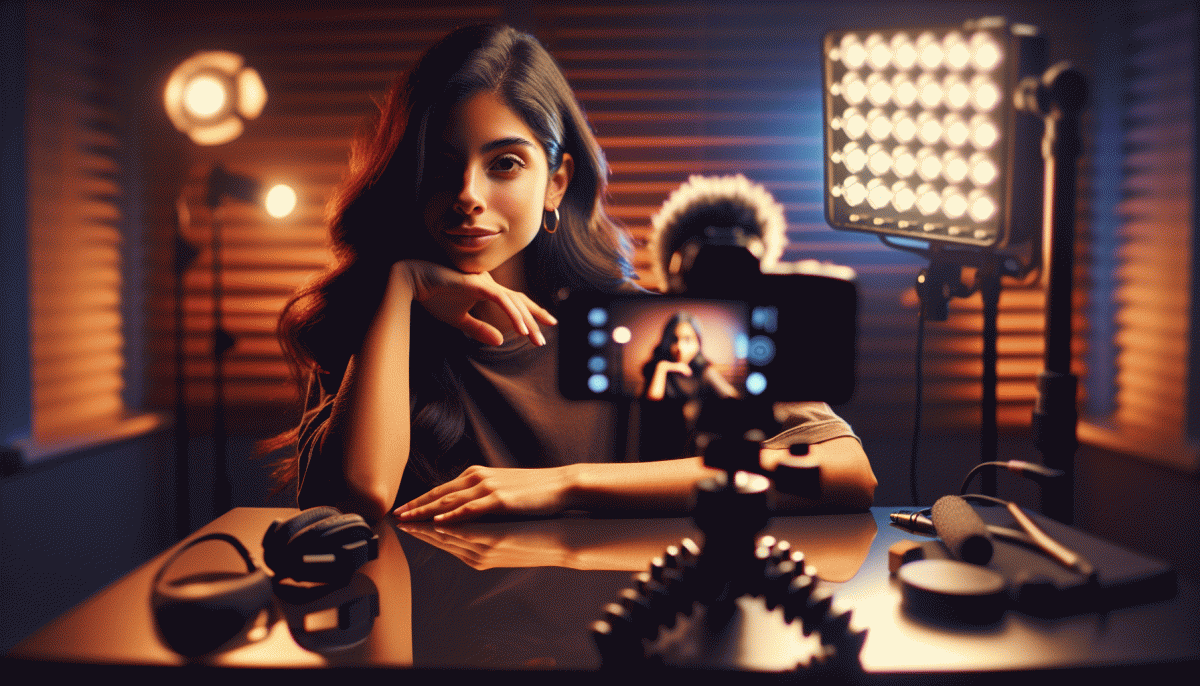
What Works Best on TikTok in 2026? We Tested It So You Don't Have To

What Works Best on TikTok in 2026? 7 Ridiculously Effective Plays You Can Swipe Today