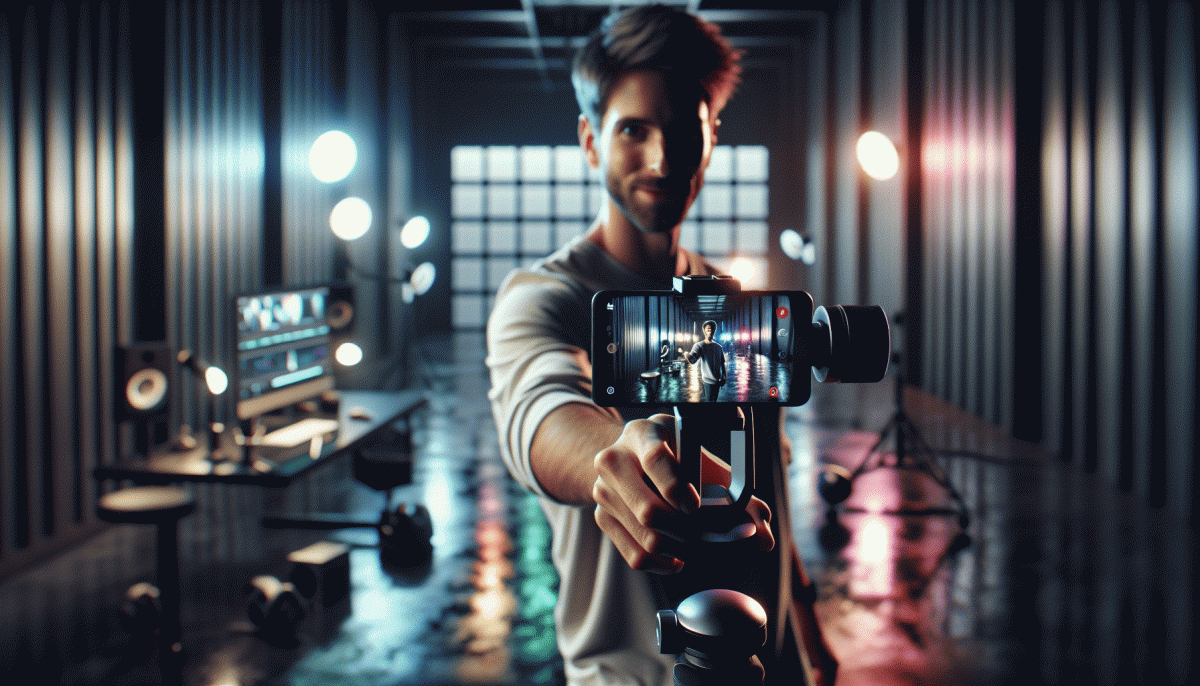
What Works Best on TikTok in 2025? We Tested It—Here's What Actually Blows Up
Hook in 3 Seconds: Openers That Triple Watch Time
Three seconds is the battlefield. In our experiments, creators who hit a visceral cue in that window—a visual surprise, a bold caption, or an immediate consequence—regularly see watch time triple. The goal is to create a tiny mystery or promise that forces a viewer to linger for the payoff.
Do not waste time easing in. Open with a strong image, a startling stat, or a person’s reaction that telegraphs emotion. Make the opener work on mute: bold captions, high-contrast visuals, and a beat of SFX that reads even without sound. Commit to one clear idea and make its cost or benefit obvious within the first frames.
Here are three reproducible opener formulas to test quickly:
- Tease: Show a surprising result then cut to a question that only the full clip answers.
- Shock: Lead with an unexpected visual or number that reframes a common belief.
- Promise: State a fast benefit or hack and hint at the reveal to come if the viewer stays.
Run fast A/B tests: swap only the first second between variants so you learn what actually moves the needle. Track 3-second retention first, then 15-second and 30-second marks. If the 3s retention is weak, iterate the opener until it snaps curiosity shut in a good way.
Checklist before you publish: bold first frame, readable caption in the first second, an obvious reward, and zero filler. When the micro-hook is tight, creators stop fighting the scroll and start winning the algorithm.
Algorithm Candy: Signals TikTok Rewards in 2025
Think of TikTok in 2025 as a very picky dessert critic: it doesn’t just want one impressive bite, it wants you to keep coming back for spoonfuls. Micro‑signals — not a single metric — determine whether your video gets spooned onto millions of feeds. Nail the tiny, repeatable behaviors and the platform’s recommendation engine starts treating your clips like irresistible candy.
Watch time and rewatches are king: a 12‑second clip looped twice beats a 60‑second watch with no repeat. Early retention matters too — those first 1.5–3 seconds decide if the scroll stops. TikTok also prizes shares and saves because they indicate real value; comments that spark replies and profile clicks show deeper interest. Use these truths to design for repeats, not just for explanation.
Context signals have gotten smarter: follower‑to‑view ratios, niche clustering, and whether people watch your content from start to finish against similar videos all shape reach. Native audio and readable captions boost discoverability across noisy feeds, while original hooks separate you from the trend echo chamber. Don’t chase virality with one big push — iterate small, track what metrics actually move, and double down on formats that create loops.
Practical playbook: open with a bold visual or line, create an intentional loop or payoff, pick audio that encourages mimicry, add captions for instant comprehension, and include one tiny prompt that invites rewatch (a mystery, a reveal, or a repeatable beat). Post consistently, analyze the retention graph, and treat every clip as an experiment designed to make the algorithm crave another bite.
Trend Hacking vs. Originality: The Blend That Wins
Trend hacking without originality is a loud knock on a closed door; originality without trend sense is a coy wink in an empty room. The sweet spot that actually blows up on TikTok is the middle ground: use the trend as a stage, not the script. Treat viral sounds, formats, or challenges as a scaffold to hang your unique voice and perspective on.
Start by thinking like a scout and an artist at once. Scout the platform for motion, audio, and caption conventions that are gaining traction. Then apply an artist mindset: what is a point of view only you can own? The fastest wins are small edits that make a trend feel personal—a swap of framing, a reveal, or a comedic misdirection that aligns with your brand or character.
- Hook: Lead with a recognizable trend element in the first 1–3 seconds, then flip it.
- Twist: Add a distinct human detail or opinion that no one else has the right to claim.
- CTA: Guide viewers to a bite sized action that fuels algorithmic signals, like a duet, stitch, or a specific comment.
Operationalize the blend with a micro playbook: pick one trending sound, map three ways to make it yours, shoot a 15 second test, and post within the trend window. Keep iterations tight: measure retention, watch rate, and comment prompts. If performance is weak, swap the twist or trim the intro.
In short, trend hacking gives you visibility, originality gives you memorability. When both are present, virality moves from random luck into repeatable craft. Experiment rapidly, keep the personality loud, and let data prune what does not sing.
Posting Cadence, Sounds, and Hashtags: Your Fast Formula
The fastest wins on TikTok come from a simple mashup: steady cadence, irresistible sounds, and razor-sharp hashtags. Think of cadence as the engine, sound as the turbo, and hashtags as the GPS. Together they make a repeatable experiment you can run every week to find what actually scales for your audience.
Start with a rhythm you can maintain: one solid video per day is the minimum test, two to three is the sweet spot for discovery without burning out. Schedule posts in batches, reuse formats, and vary hooks. If you are testing times, hold format and sound constant for a week so views and retention reveal real winners.
Use this quick checklist to structure a test:
- Cadence: Post regularly — one per day for two weeks, then scale up to three if retention holds.
- Sound: Use one trending audio and one original motif per week; short edits of the hook perform best.
- Hashtags: Combine 3-5 niche tags with one trending tag to reach both algorithm and community.
When choosing sounds, lock the first 1-3 seconds as your hook and add a voiceover or on-screen caption to boost retention. For hashtags, rotate a core set and swap one trending tag each post. Track view sources and retention daily, then double down on the combo that gives the most views and longest watch time. Experiment fast, measure faster, and repeat.
From Views to Sales: CTAs and Captions That Convert
Views are vanity, purchases are revenue, and the bridge between them is a caption and a CTA that actually moves people. Think of captions as a mini commercial script: hook, reason to care, and a single, obvious next step. Nail the flow and a 10k view video will start paying for itself.
Use CTAs as tiny experiments. For awareness, try micro actions like Tap if you agree or Save this. For mid funnel, ask for low commitment engagement: Comment your favorite or Which color: A or B. For direct sales, use clear commands tied to frictionless paths: Shop link in bio, Tap to shop, or Swipe up to claim. Test one CTA per video to learn what moves your audience.
Caption structure matters more than length. Start with a 3 to 7 word hook, add one line of value or proof, end with your CTA. Examples: Hook: "Stop wasting time" then value: "Three hacks that cut cleanup in half" then CTA: Try one and tell me which worked. Or a short sale caption: Limited drops today + Link in bio to reserve. Keep it scannable.
Make CTAs social and sticky: invite comments that generate UGC, use urgency only when real, and pair CTAs with on-screen text and stickers to lower friction. Track click through rate, add to cart, and conversion by variant. Simple A B tests — same video, different caption or CTA — reveal big differences fast.
Final checklist: be specific, not clever; match CTA to intent; keep the path to purchase one tap shorter than before. Do that and those views start behaving like customers. Then celebrate with a much deserved coffee break.
Read also
What Works Best on TikTok in 2026? We Tried It All—Here’s What Actually Blows Up

What Works Best on TikTok in 2026? We Tested It So You Do Not Have To
What Works Best on TikTok in 2026? We Tested It So You Don't Have To

We Tested Organic, Paid, and Boosted Follower Growth — Here Is What Works Now
What Works Best on TikTok in 2026? We Cracked the Code