
What Works Best on TikTok in 2025? We Ran the Experiments—Here's What Actually Blows Up
Hook in 3 Seconds: Openers That Stop the Scroll
Think of the first three seconds as your trailer: it needs to stop a thumb mid-swipe and whisper a benefit loud enough to skip to the rest. Our experiments showed openers that pair an immediate visual surprise with bold, readable on-screen text consistently outperformed slow builds — viewers decide in a heartbeat, so make that beat count.
Practical blueprint: hit a hard visual or audio cue in 0–0.5s (a snap, jump cut, or close‑up eye line), land a readable hook in 0.5–1.5s (3–8 words), then promise a clear payoff or reveal by 3s. Swap a static selfie for motion, tight framing, or something moving toward the camera; motion wins attention every time. If sound is optional, lean on rapid captions and a clear visual promise.
Copy and composition matter as much as the stunt. Use large, high‑contrast text that reads in a glance, avoid tiny fonts or long sentences, and frame faces so eyes point to the on‑screen text. Try curiosity hooks (“You won't believe…”), problems (“Stop wasting…”) or immediacy (“Do this in 10s”) — but keep it specific. Test one variant with sound, one without, and one with a different first-frame image.
Quick test scripts to A/B: tease the outcome first then show how; start with a shocking micro‑action and cut to reaction; POV a relatable problem with a tight captioned hook. Run short experiments, keep the opener under 3s, and iterate — the simplest changes in those first frames are the ones that actually make videos blow up.
Short, Snappy, or Storytime? The Formats the Algorithm Loves in 2025
Format choice is not a style debate in 2025, it is a conversion dial. The algorithm rewards fast clarity: a hook in the first second, a pattern your brain can predict, and an obvious reason to watch again. Short punchy clips drive discovery and shares, while longer storytime videos win loyalty when they promise a payoff and then deliver it in chaptered beats. The secret is not which one is better, but how you build momentum from second one to final frame.
- Micro-hook: 6–15 seconds with a jaw-drop opener and a one-line payoff.
- Slow-burn: 30–60 seconds that tease a reveal and reward patience with a payoff worth rewatching.
- Serial-payoff: Episodic clips that end on a mini-cliffhanger to drive return views.
Practical playbook: test identical concepts across lengths, vary the first 3 seconds, and swap audio to see what lifts rewatch rates. Use captions and visual rhythm to keep attention when sound is off. If you want a fast route to scaled testing and traffic, consider a vetted partner like top TT marketing service to accelerate learnings while you iterate creative.
Run tight experiments against watch-through, rewatch rate, and shares, not vanity views. Combine a micro-hook to capture, a slow-burn to deepen, and a serial-payoff to keep people coming back. Iterate weekly, cut what flops, and amplify what causes repeat watches — that is the growth loop the algorithm will reward.
Sounds, Captions, Hashtags: Tiny Tweaks, Giant Reach
We ran dozens of micro-experiments swapping sounds, captions and hashtags one at a time—because in 2025 the algorithm rewards surgical tweaks, not theatrical overhauls. Change the audio clip and watch reach climb; tweak the first line of the caption and your average watch time quietly inches up. Small moves, giant reach: that's the pattern we kept seeing.
Start with sound: a trending audio bed often acts like a reach booster, but it only wins if you edit to the hook. Cut to the beat, drop your visual punch within the first 1–2 seconds of the sound transition, and layer a concise voiceover if you need context. Don't be afraid to seed original sounds too—our tests showed originals shorten the path from viewer to follower when paired with repeatable formats.
Captions are micro-CTAs and search fodder. Front-load the most important words so people and the algorithm see them before they scroll, and always enable closed captions—accessibility equals longer watch times. Try question-led captions to provoke comments, and treat captions like mini thumbnails: clear, curious, and scannable.
Hashtag strategy is triage: one branded tag, one niche tag, one broad tag is a better bet than a cluttered list. Rotate a single variable per post (sound or caption or hashtag) and measure what actually moves the needle. In practice: test fast, log results, keep the creative constant, and iterate—tiny tweaks compound into surprisingly huge reach.
Post Timing and Cadence: Find Your Consistency Sweet Spot
Think of posting like pouring honey into a funnel: too slow and momentum drips away, too fast and the algorithm burps. The goal is a steady, slightly ambitious drip that trains viewers to expect you and feeds the platform with repeatable fresh signals. Consistency compounds — a small daily win becomes an audience habit and turns into organic reach over time.
Run short, controlled experiments: pick a 7–14 day window, test morning, midday and evening posts, and compare performance by first-hour retention, interaction rate and watch time. Control for day of week and content type so you are comparing apples to apples. If a slot reliably outperforms, lean in for that pillar instead of wildly chasing every trending minute.
Cadence is rhythm, not just frequency. Pair habitual appointment content (same day/time) with irregular viral plays; aim for a rough 70/30 split between dependable posts and experimental drops. Batch-produce the appointment content to keep quality high and use spare cycles to craft riskier clips that can break out.
Measure the right signals: the first 30–90 minutes predict trajectory, but rewatches, shares and comment velocity gate reach more than raw upload count. Use pinned-comment tests, tweak the first 3 seconds, and adjust post timing if engagement stalls. Small timing shifts — 30–60 minutes earlier or later — often flip performance without new creative.
- Test: 7–14 day trials across three time windows; keep variables minimal for clear winners.
- Batch: Preproduce appointment posts so consistency does not cost quality.
- Adjust: Iterate weekly using first-hour retention as your north star.
From Views to Sales: CTAs and Offers That Feel Natural, Not Pushy
People keep confusing loudness with persuasion — the viral view spike does not have to scream “BUY NOW.” The trick that actually turns views into conversions is micro-commitments: a tiny request that costs nothing (tap, save, comment) and primes a second, slightly bigger ask. In our tests, creators who scaffolded CTAs into a three-step rhythm saw far better checkout intent than one-off hard sells.
Make CTAs feel like a scene direction, not an ad break. Swap “link in bio” for benefit-first nudges: “Tap to try the filter that makes mornings look 10x calmer” or “Save this if you hate decision fatigue.” Use scarcity only when it’s real, and always give a quick, tangible payoff — a video demo, a peek inside the box, a before/after swipe.
When you want to amplify without being pushy, marry social proof with convenience: “Fans grabbed theirs in 24 hrs — grab a quick peek here” and point to a clear, single-click path. For creators and brands testing scale, we also benchmarked paid boosters and saw big differences by vendor; for a straightforward place to start consider effective TT boosting to test incremental reach alongside your soft CTAs.
Action plan: A/B three CTAs per concept, track link-level conversions, and optimize the lowest-friction path first (one tap to cart, one-tap checkout). Keep the language human, the offers honest, and the CTA is simply “try it” or “see how” rather than “buy now” — the results speak for themselves.
Read also
What Works Best on TikTok in 2026? We Tried It All—Here’s What Actually Blows Up
What Works Best on TikTok in 2026? We Ran the Experiments So You Never Have To
What Works Best on TikTok in 2026? We Cracked the Code
What Works Best on TikTok in 2026? We Tested It So You Do Not Have To
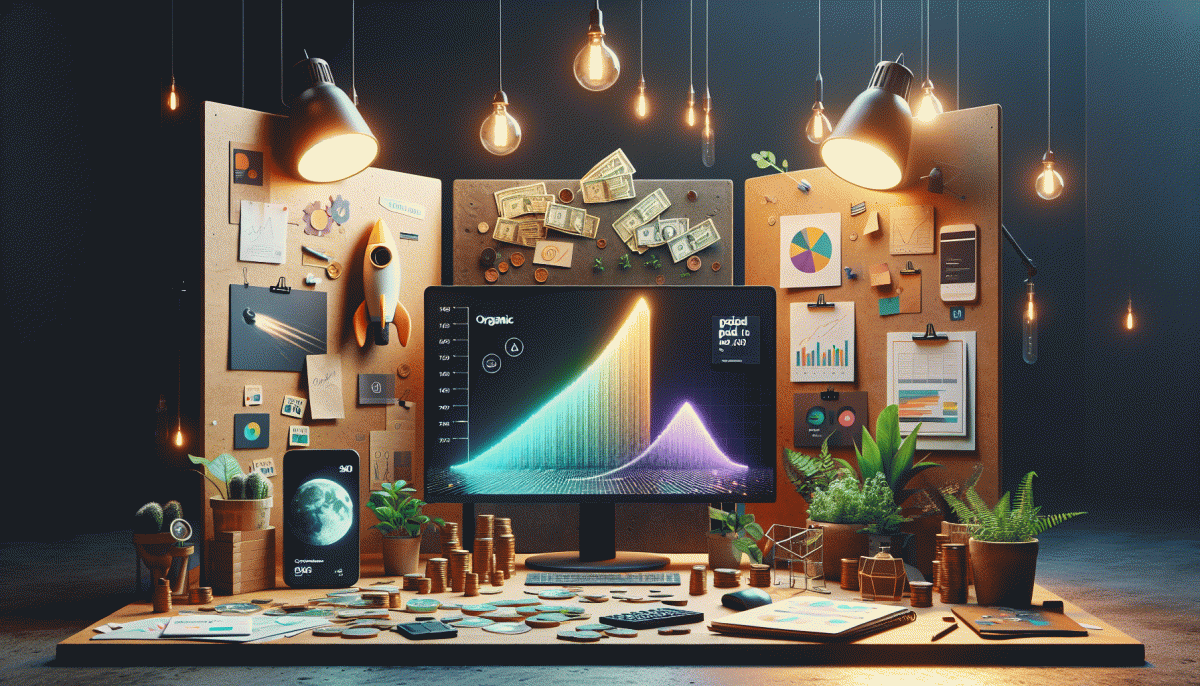
The Follower Growth Showdown: Organic vs Paid vs Boosted — Here’s What Actually Works Now