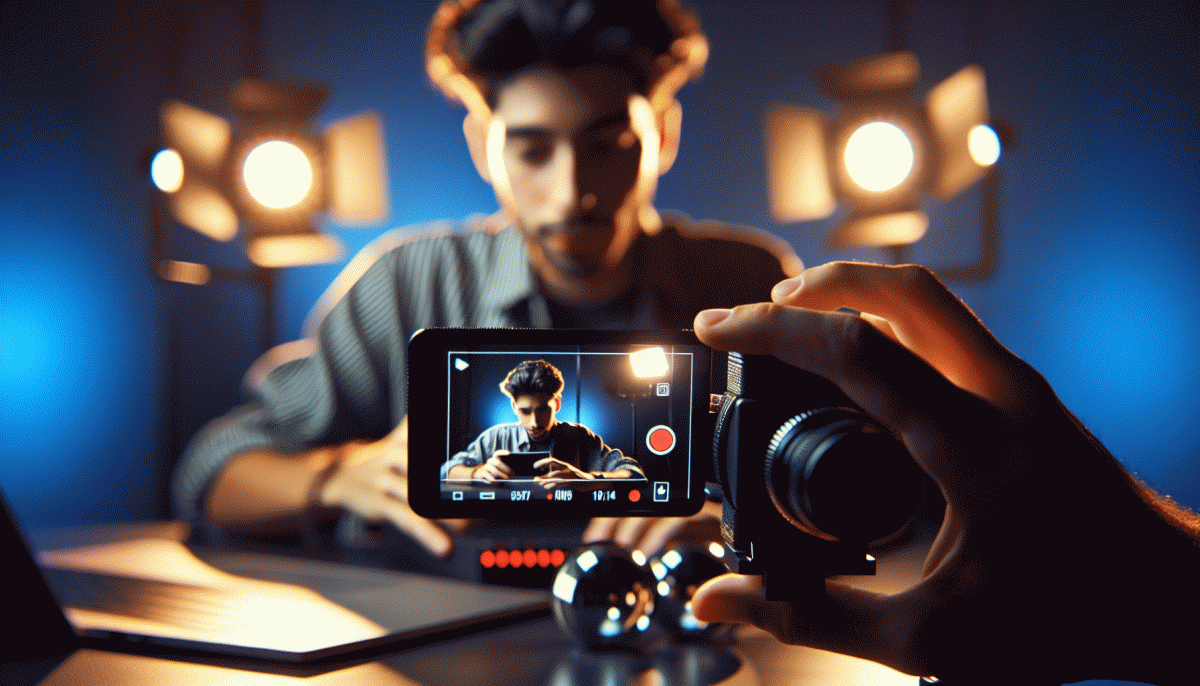
What Works Best on TikTok in 2025? The Viral Playbook Nobody Is Telling You
Two Second Hooks: Thumb Stopping Openers That Boost Watch Time
Think of the first two seconds like a doorbell — either guests walk in or keep scrolling. Make that bell weird, loud or impossible to ignore. Nail a visual or a line that answers: what will they get if they keep watching? Promise + surprise = momentum.
Start with motion: a hand slamming into frame, a rapid zoom to an eye, or an object appearing from nowhere. Use bold contrast and close-ups so the thumbnail aligns with the opening. Quick jump-cut edits at 0.6–1.2s are your friends; they break the scroll trance.
Sound is half the hook — a clipped audio drop, an odd SFX, or a voice cut that finishes in the second beat. Layer readable captions that deliver the payoff promise in two words and a verb. Clarity plus curiosity reduces blind taps and increases watch time.
Don't overcomplicate: test three micro-hooks per idea and keep the rest identical. Track 3–5 second retention and completion; small lift in early retention compounds into algorithmic reach. Swap visuals, swap audio, measure what actually holds.
Quick micro-playbook: "Shock + Promise" — show a weird object then say the payoff; "Face Close + Question" — eye contact and a blunt question; "Action Cut + Reveal" — start mid-action and finish with the twist. Iterate fast and make the thumb stop.
Native Or Nothing: Trends, Sounds, and Formats the Algorithm Rewards
Think native-first: the algorithm signals are happiest when audio, editing style, captions and camera moves feel like TikTok, not a repurposed ad. Quick captions, jump cuts, screen mirroring and on-camera talk read as native; shoot vertical, embrace natural light, and prioritize watchability.
Use platform-native assets: trending sounds, text-to-speech, stickers and built-in transitions. Stitch and duet to piggyback engagement; attach your clip to active threads instead of reposting a polished Instagram reel. Native allows a bit of mess — that rawness boosts watch-through and sparks comments.
Hook inside the first 1-2 seconds with an unexpected visual or a concise question. Give context fast — viewers decide in a heartbeat. Then reward them: a payoff at 8–12 seconds and a reason to rewatch. Repeatable formats (3–6 second intro + 10-second payoff) scale faster.
Follow sound mechanics: early adopters of a new sound often earn outsized reach. Remix trending audio, add original ambient layers, or chop a phrase into a rhythmic cue. Track variants — one sound can spawn multiple microtrends depending on tempo, captions and split edits.
Measure retention and engagement, not vanity metrics. Build simple templates you can tweak daily and scale winners. Be native, be nimble, and treat trends like experiments — the algorithm rewards creators who keep users glued for longer.
TikTok SEO: Keyworded Captions and Comments That Unlock Discovery
Keywords are the new choreography on TikTok — not about stuffing tags, but where you naturally place searchable phrases: the first 125 characters, voiceover, text overlay, and subtitles. Start with a focused keyword phrase (for example, "cleaning tips for small kitchens" or "budget travel Europe 2025") and build a compelling hook around it. Try a caption formula: Hook — Keyword — CTA (save or follow). Place the main keyword early; TikTok's indexer prioritizes visible text and audio transcripts, so visibility beats clever mystery copy.
Think beyond hashtags. TikTok search matches natural language, so use long‑tail phrases, synonyms, and conversational questions that people actually type. Add keywords to a pinned comment and to your first replies — that helps discovery and signals relevancy. A practical riff: publish, then within 10–30 minutes drop a comment with a secondary keyword plus a question to invite replies. Pin the best reply to increase both engagement and keyword density.
Use on‑screen text and closed captions as deliberate SEO layers: in‑video text is crawlable. Say the keywords out loud too — TikTok transcribes audio and matches speech. Micro‑test by posting 2–3 caption phrasings across similar clips and watch which one drives more Search or Profile visits in Analytics; that's A/B testing without special tools. Keep a swipe file of high‑performing keyword hooks and reuse the structure, not the exact wording.
Finally, be human — relevancy beats gimmicks. Don't copy‑paste the same word over and over; vary phrasing and directly answer the question your keyword implies. When a video picks up steam, update older videos' captions and add a fresh pinned comment to ride the compounding discovery loop. Small edits, smart placement, and quick comment seeding are the quiet growth hacks creators are using to unlock discovery in 2025.
UGC Power Plays: Partnering With Creators Without Blowing the Budget
Think like a talent scout, not an ad buyer. Instead of throwing money at mega-influencers, build a roster of micro creators who already vibe with your niche — they cost less, post faster, and their followers actually care. Give them a clear objective (awareness, try-on, demo) and then hand over creative control: authentic beats scripted every time.
Stretch your budget with smart pay structures. Seed product + small flat fee for first use, then performance bonuses for views, sales or affiliate codes; offer exclusive promo codes so creators earn on conversions. License content for a fixed fee so you can repurpose winning clips as paid ads — it's cheaper than commissioning bespoke assets.
Make briefs that creators will love: a one-line hook, suggested sound direction, and a single measurable CTA. Ask for a native 9:16 vertical, a 3–5 second attention grabber, and one moment that shows the product working. Encourage stitches, duets and POV angles — formats that organically ride trends and boost discoverability.
Measure what matters: view rate, watch time, saves and comment sentiment over vanity likes. Keep top performers on retainer, iterate the creative signals that work, and scale by cloning formats across creators. Start small, experiment fast, and treat UGC as your evergreen content factory — big wins come from little plays repeated well.
Consistency That Compounds: Posting Cadence, Timing, and Metrics That Scale
Start with a cadence you can sustain: 1–2 short clips per day is the sweet spot for many creators, or 8–12 per week if production is heavier. If only three posts per week are realistic, pick fixed days and themes. Batch shoot, build hook templates, and keep one editing day for rapid publishing. Consistency trains the algorithm to expect content and rewards steady signals.
Timing matters but testing beats guesswork. Post the same format at lunchtime, early evening, and late night across multiple days, then compare seven day rolling averages and hour by hour lift. Factor in audience location and weekday rhythms. When a window reliably raises retention or shares, repeat it for two weeks to confirm before scaling.
Track signals that predict follower growth: average watch time, completion rate, watch to like ratio, and shares per thousand views. Keep a simple KPI sheet with baselines and flag videos that exceed baseline by 15 to 20 percent. Those flagged clips become candidates for higher cadence, cross posting, and short series development.
Scale like a scientist: run controlled bursts, keep creative variables minimal, and give experiments an 8 to 12 week runway. Archive low performers, repurpose the top 10 percent into fresh edits, and automate scheduling where possible. Small, steady improvements in retention and output compound quickly; volume plus signal is the secret that turns consistency into breakout momentum.
Read also
What Works Best on TikTok in 2026? We Tried It All—Here’s What Actually Blows Up
What Works Best on TikTok in 2026? We Cracked the Code
What Works Best on TikTok in 2026? We Tested It So You Do Not Have To
What Works Best on TikTok in 2026? We Ran the Experiments So You Never Have To

What Works Best on TikTok in 2026? We Tested It So You Don't Have To