
What Works Best on TikTok in 2025? The Playbook Marketers Swear By
Nail the Hook: Three-Second Openers That Freeze Thumbs
Think of the first three seconds as a tiny theme park ride: a fast drop, a bright sign, and a tiny jolt of sound. Lead with motion, contrast, or a plain value statement so viewers instantly know what they get. If thumbs do not stop, you lost the ticket—so make every frame earn its place.
Use one of these instant openers as your default experiment set and iterate fast:
- Promise: State a clear benefit in one breath — "Save 10 minutes daily" or "Fix this skin issue tonight."
- Shock: Hit with a visual oddity or a surprising stat in frame one to force a double take.
- Tease: Start with an unfinished sentence or a question so viewers must watch for the payoff.
Practical tech tips: frame tight, face toward camera, use bold on-screen text for sound-off viewers, and cue a sound or beat drop inside 0.3 seconds. Cut rhythmically every 0.6–0.9 seconds, push motion toward the lens, and keep lighting high-contrast. Test three hooks per concept, track 3s and 6s retention, then scale winners and tweak words or motion that improved the freeze rate.
Format That Wins: Face Cam, B-Roll, and Text-First Explained
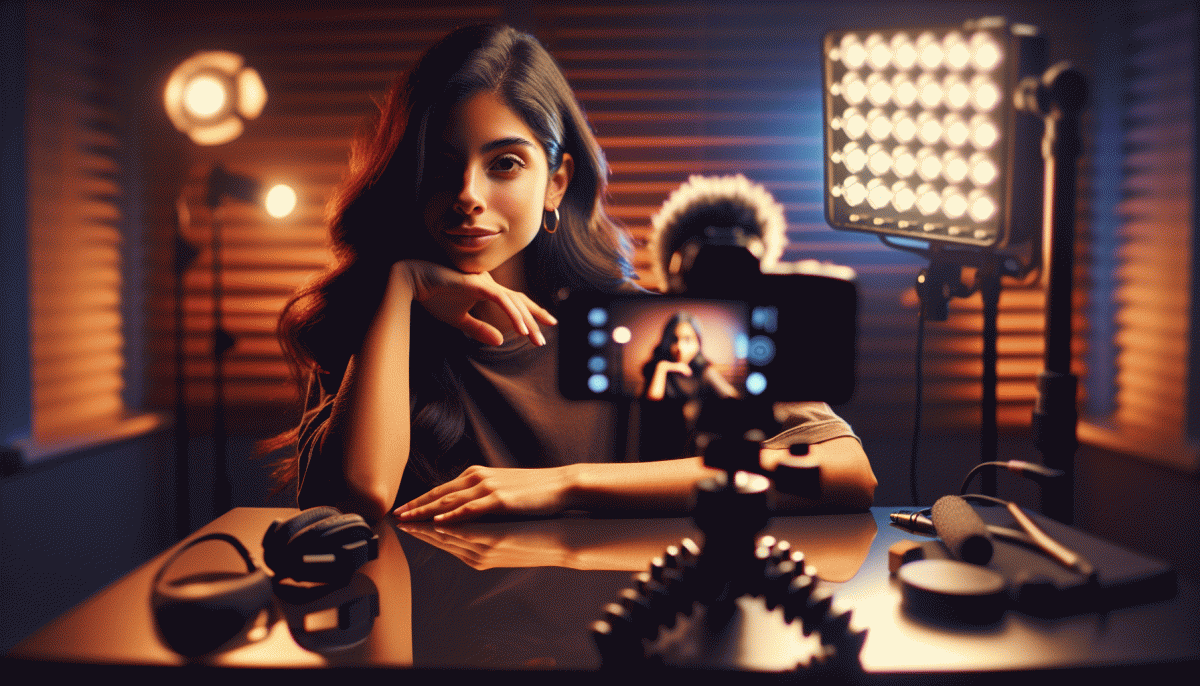
Pick the format before you pick the hook. Face cam, B-roll, and text-first are not aesthetic choices alone; they are playbooks that map to attention, trust, and retention. Face cam wins trust because viewers read microexpressions; B-roll converts because it demonstrates motion and outcome; text-first captures scanners who never unmute. Decide whether you want a human handshake, a cinematic demo, or an instantly readable promise, then build the creative around that promise.
- Face Cam: Tight framing, strong eye-line, 1–3 second hook, and a clear opinion. Use for explainers, reactions, and creator-led POVs where authenticity drives follows and messages.
- B-roll: Fast intercuts, show-not-tell footage, musical beats, and strategic VO. Best for product demos, before/after reveals, and lifestyle storytelling where the outcome must be felt.
- Text-first: Big readable copy, beat-synced edits, and standalone context so the video works on mute. Ideal for tips, lists, and formats built to spark saves and shares.
Quick production checklist: open with the promise inside the first 1–2 seconds, use 9:16 framing, keep most content between 9 and 45 seconds, and match cuts to beats. Overlay captions even on face cam; add a single clear CTA at the end and a sticky caption for discovery keywords. Batch assets so you can A/B test thumbnails, hooks, and first 3 seconds across formats without redoing the whole shoot.
Need to accelerate reach while your creative system ramps? order TT growth service and get predictable distribution as you iterate on the formats that win.
Ride Trends Right: Sounds, Duets, and Remixes Without Being a Clone
In trend-chasing, speed wins but originality sells. Copying a viral sound note-for-note makes you wallpaper — visible but forgettable. Instead, flip the trend: keep the hook people recognize and add one strange choice that screams you. Shift the camera angle, switch the chorus to a whisper, or answer the sound with a caption that recontextualizes the joke. That small twist is what turns viewers into followers.
Quick plays that actually work:
- Hook: Keep the recognizable beat or line, then cut to an unexpected reveal in the first 2–3 seconds.
- Timing: Drop your punch or call-to-action a split-second earlier than the trend does to feel fresher.
- Twist: Swap the POV, invert the premise, or add a visual gag that forces a rewatch.
Want a shortcut? Explore TT boosting for safe amplification: test one trend variant with a tiny boost, watch which takeoff doubles engagement, then double down organically.
Make duets and remixes serve your POV: duet only when you can add commentary, use remix chains to escalate a visual gag, and treat collabs like experiments — measure retention at 3s, 6s, 15s. Repeat winners, ditch the clones, and schedule trend tests into your content calendar twice a week. Do that, and you won't just ride trends — you'll steer them.
Timing, Captions, and Hashtags: Tiny Tweaks, Huge Reach
Timing is less astrology and more lab experiment. Start by mapping audience time zones and test three windows for two weeks: mid morning (9–11), late afternoon (3–5) and prime evening (7–10) local time. Early momentum matters; aim to spark interaction in the first 30–60 minutes because platforms amplify posts that receive immediate engagement. Post cadence beats perfection—consistency of 3 to 5 posts per week builds signals better than sporadic viral hustle.
Think of captions as the script that nudges the algorithm. Lead with a hook in the first line that stops the scroll and pack searchable keywords into plain language. Burned in captions plus TikTok auto captions is accessibility plus algorithmic fuel. Use one clear CTA per post, keep line breaks to improve scanning, and pepper with one or two emojis for tone. If you want comments, ask a micro question instead of a lecture.
Hashtags are a precision tool, not a scattergun. Use a three tier mix: one branded or community tag, two to three niche tags that your target audience follows, and one trending tag when it is truly on topic. Aim for 3–5 hashtags. Rotate sets weekly, track which tags bring views, and avoid banned or spammy tags that kill distribution. When in doubt follow creators who perform in your vertical.
Tiny tweaks compound. A simple A/B test on post time or first line can double reach over a month. Keep a short spreadsheet with date, time, first line, hashtags and 24 hour velocity. Republish winners with a fresh hook at a different hour, and pin a comment with your CTA and primary hashtag to capture late viewers. Iterate weekly and let data do the heavy lifting.
From FYP to Checkout: TikTok Shop and UGC That Convert
Think of every For You scroll as a micro conversion funnel: attention → desire → action. In 2025 the bridge from discovery to checkout is TikTok Shop amplified by authentic user-generated content. To turn viral loops into actual purchases, stop pitching and start proving: show the problem, demo the fix, and give a clear path to buy. Native creative that features real hands-on moments, closeups of the product in use, and an early visual cue that a purchase option appears in seconds will win more checkout taps than fancy production.
Tactically, combine platform features with creator instincts. Add product cards and a visible Shop tag, use short in-feed demos with a 1–2 second hook, and schedule live drops to answer real-time questions. Brief creators to deliver one emotional opener, a tight practical demo, and an explicit CTA that points to the Shop. Prioritize sounds that support the demo rhythm and encourage duet or stitch opportunities so satisfied customers naturally become new creators.
Run fast experiments: three creatives across three audience cohorts, measure view-to-cart and view-through conversion, then scale winners within days. Seed honest reviews and unboxings with micro-incentives, mail small samples for genuine reaction clips, and repurpose the best 10–20 second moments into paid amplifications. Keep captions concise, surface social proof early, and use on-platform trust badges like In Stock or Fast Delivery to kill hesitation at the checkout moment.
Measure beyond clicks: CPA and ROAS matter, but also track add-to-cart rate, conversion velocity, and creator-driven referral lift. Build creative ops to churn UGC, iterate on hooks, and rotate top-performing clips into product feeds and live scripts. The simplest playbook is also the most effective: make buying feel like a natural continuation of scrolling—delight first, simplify checkout, then scale what converts.
Read also
What Works Best on TikTok in 2026? We Tried It All—Here’s What Actually Blows Up
What Works Best on TikTok in 2026? We Cracked the Code
What Works Best on TikTok in 2026? We Tested It So You Do Not Have To
What Works Best on TikTok in 2026? We Ran the Experiments So You Never Have To
What Works Best on TikTok in 2026? We Tested It So You Don't Have To