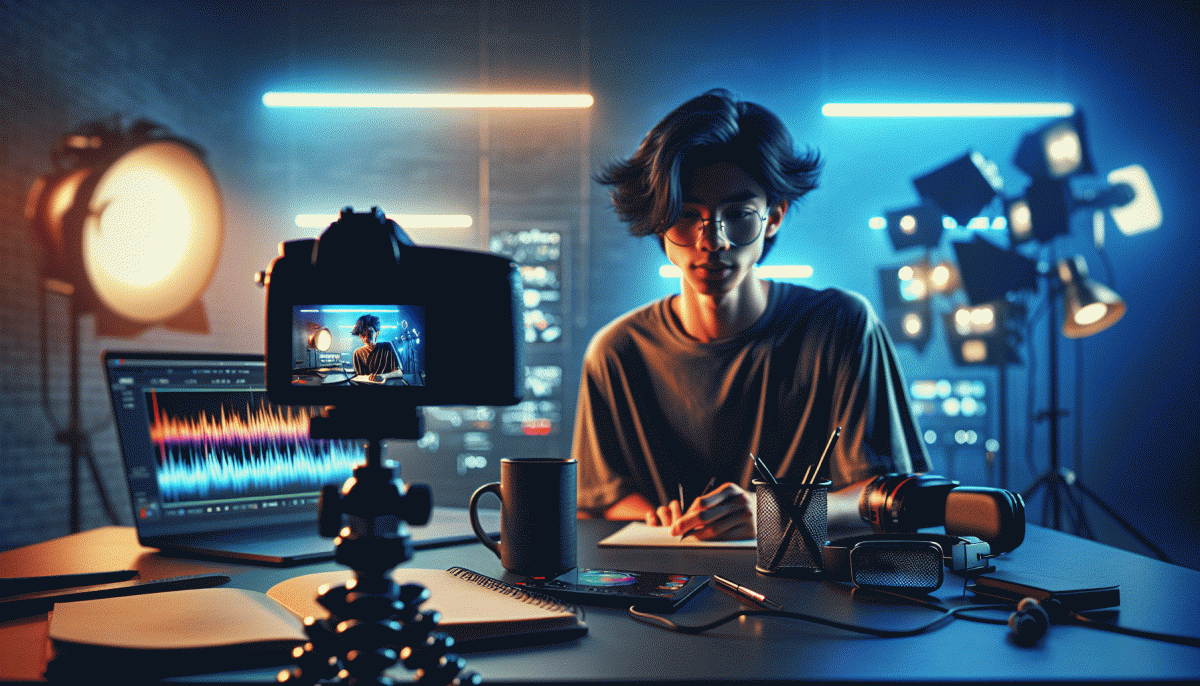
What Works Best on TikTok in 2025? Steal These 7 Moves the Algorithm Loves
Hook in 1 Second: Open Loops, Big Promises, Zero Fluff
In 2025 the fight for attention happens before the second tick finishes. Your opening line must create a mini mystery or a loud promise, then vanish—no backstory, no wobble. Imagine starting mid-action or with a tiny scandal: it makes viewers ask a question without realizing they're asking. That cognitive itch is the lever the algorithm loves.
Open loops are tiny theatrical devices: tease an outcome, freeze on a surprising frame, or start with a contradiction. Lead with "I fixed X in 30 seconds" or "Nobody expected this result" and you've already rioted curiosity. The key is to leave a gap the viewer feels compelled to close—then deliver fast, or the loop feels like clickbait and watch-time drops.
Big promises work when they're specific and believable. Swap vague boasting for measurable stakes: time, percentage, or a clear before/after. Pair the claim with a micro-proof within the first 2–3 seconds—a flashed counter, a split-screen snapshot, a single quick demo clip. That tiny evidence anchors the promise and keeps people watching to see how it's done.
Zero fluff is ruthless editing: cut intros, trim pauses, and keep every frame serving the question you opened. Use captions to carry the hook in silent autoplay and lean on an attention-grabbing sound bite. Try this template: "Watch me {solve X} in {Y seconds} — here's how." Or: "You've been doing {task} wrong — do this instead." Test, tighten, repeat.
Face + Subtitles + Fast Cuts: The 3-Second Visual Formula
Think of the first three seconds as a visual handshake: face, expression, and a promise. Start with a tight close up on eyes or mouth so viewers get an emotional cue immediately. Swap to a slightly wider shot by second two so the frame breathes, but keep the energy high and avoid slow pans or intro cards that kill momentum.
Subtitles are not optional. Most people watch on mute, so captions must be punchy, short, and timed to land with the cut. Break lines every 30 to 40 characters, show one idea per line, use high contrast and consistent sizing, and add a tiny motion or color pop on the first line to snag attention.
Fast cuts create rhythm. Aim for edits between 0.6 and 1.8 seconds depending on tempo: faster for jokes, a touch slower for reveal moments. Match cuts to micro beats in the audio or to visual beats like a blink or a hand gesture. Favor jump cuts to a closer face shot when clarity is needed, and use whip or smash cuts for flair.
Try this micro recipe: 0–3s close up delivering the hook, subtitle synced to the mouth, 1s reaction shot, 1.5s context shot, repeat for a 9 to 12 second loop, then end with a micro CTA or bait line that invites rewatch. Film dense, edit denser, and use retention graphs to refine which 3 seconds keep people watching.
Story Arcs That Binge: Mini-Series > One-Offs
Think binge, not one-hit wonder. Short serials train the algorithm to expect return viewers: consistent characters, escalating stakes, and internal threads make people watch the next clip and the next. A mini-series turns individual posts into appointment TV for your followers, stacking views, completions, and shares faster than random one-offs.
Make it tactical: plan an arc, keep episodes tight, and finish on a tiny unresolved beat so viewers feel nudged back. Keep each episode useful on its own but hungrier for more. Use this trio to structure your pilot episodes:
- Cliffhangers: End with a vivid question or visual tease to prompt immediate replay and curiosity.
- Character: Anchor the arc around a repeatable persona or role people recognize and root for.
- Format: Use a consistent hook, beat pattern, and thumbnail so each episode is instantly identifiable.
Cadence matters: publish a predictable schedule, ideally 2 to 5 short parts over a week. Reuse the same sound and visual template to teach the algorithm and help viewers scan. Drop a teaser in comments, stitch audience replies into later parts, and remix popular moments so new viewers can jump in mid arc without getting lost. Quick checklist: map a three to seven episode arc, write one sentence for each episode, film back to back, and batch edit templates. Treat each clip like an episode people will binge during breaks and let watch time do the heavy lifting.
Trend-Jacking Without Cringe: Remix, Don't Repeat
Trend-jacking works when you treat trends like a backing track, not a script. Keep the recognisable sound or format that triggers the For You feed, but rewrite the story in your voice: flip the perspective, raise a question, or introduce a twist that only you can deliver. The algorithm rewards familiar hooks plus fresh payoffs — remix the trend's promise, do not echo its punchline.
Start by choosing one trending audio or transition and ask: how can my niche make this surprising? Use Stitch to answer a clip, Duet to react with commentary, or layer the trend audio under an unexpected visual. Keep the first 2 seconds as the anchor, then pivot. Swap the POV, add utility with a quick tip, or escalate the joke; small edits to timing and caption often turn copycats into winners.
To avoid cringe, never shoehorn a product before you earn attention, do not mimic the original creator's persona, and skip overused moves like logo-bombing in frame one. Align cuts to the beat, add concise on-screen text, and test two micro-variations instead of one long gamble. Authenticity and timing beat overproduction — genuine simplicity reads as confidence, which the algorithm interprets as watchability.
Measure retention and rewatch rate, then double-down on the remix formats that keep viewers past the hook. When something clicks, iterate—different angles, captions, or lengths—and repurpose high-performing remixes into Stories or compilations. Trend-jack like a DJ: sample the hit, remix with soul, and drop your own unforgettable beat.
Posting Cadence That Wins: Timing, Frequency, and the 90-Minute Rule
Think of posting cadence like a gym routine: random adrenaline bursts deliver short thrills, but consistent training sculpts results. On TikTok in 2025 the platform favors predictable signals — steady uploads, quick early engagement, and patterns that tell the algorithm your content is reliable. That means stop waiting for lightning strikes and build a schedule that amplifies reach: test three time windows, choose the one where people actually watch past 3 seconds, then double down for at least two weeks.
Frequency is a power play, but only if you can keep quality intact. Many creators win with one strong idea a day or three tight clips spread across peak windows; brands often land at two to four posts a day when they have production bandwidth. If you cannot sustain that, prioritize consistency over volume. Batch scripts and shoots so creative energy is conserved for edits and engagement. Use the analytics habitually: if views plateau after a week, adjust cadence rather than panic post more content.
The much talked about 90 minute rule is a practical launch formula, not folklore. The first 90 minutes after publishing function like a test flight: high interaction rates signal relevancy and can trigger wider distribution. That is where you should be actively replying to comments, dropping a pinned comment to seed replies, and encouraging duets or stitches. Try this quick playbook in every upload:
- Timing: Run three 2-week tests across morning, lunch, and evening to find your true sweet spot.
- Frequency: Start with 1-3 daily posts; scale up only if retention and completion rates stay strong.
- Rule: Treat the first 90 minutes like a launch window — engage fast, seed interactions, and repost top performers later.
Finish each week with one metric audit: watch rate, completion, and follower net gain. That trio tells you if timing or creative needs a tweak. Keep the rhythm, be playful in the first 90 minutes, and let momentum do the heavy lifting.
Read also
What Works Best on TikTok in 2026? We Tried It All—Here’s What Actually Blows Up

Steal These Instagram 2026 Secrets: What Works Now (and What to Ditch)

What Works Best on Instagram in 2026? Steal these breakout tactics before they get saturated
What Works Best on TikTok in 2026? We Cracked the Code
What Works Best on TikTok in 2026? We Tested It So You Do Not Have To