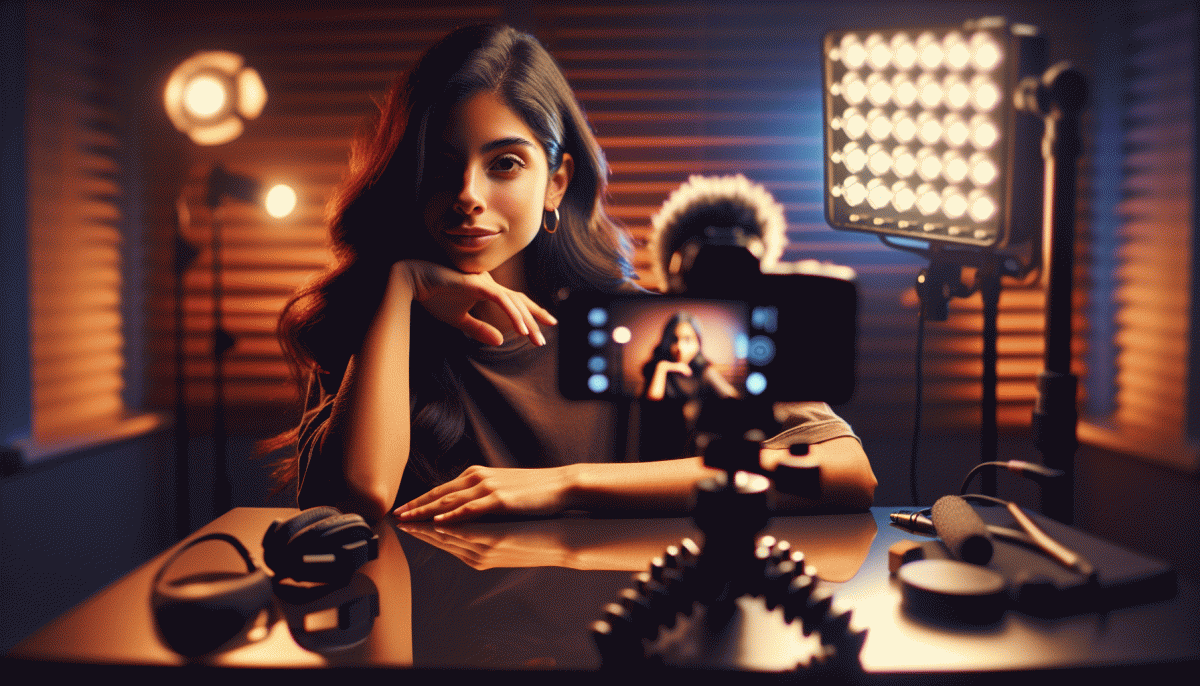
What Works Best on TikTok in 2025? 7 Shockingly Easy Plays the Algorithm Can't Resist
Hook in 1 Second: Motion, Face, Mystery - Pick Two
The first second on TikTok acts like a bouncer at a busy club: if the video does not get people in, they swipe. You can only reliably sell two of three hooks — motion, face, mystery — so intentionally choose the combo that fits the story and the sound.
Face plus motion is the fastest path to attention. Open with a tight close up where eyes, eyebrows or mouth move, then add a quick camera whip, a tossed object, or a hand slash across frame. Keep movement large and readable even when the screen is tiny and muted.
Face plus mystery wins when curiosity is the engine. Offer a charged expression or stunned reaction and pair it with a one line overlay that asks a question without answering. Hold a beat with silence or a tiny suspense sound, then reward the viewer with a satisfying reveal or payoff.
Motion plus mystery works great without a human close up. Show an unexplained object sliding into frame, rapid product flashes, or hands performing a strange sequence. Rely on bold silhouettes, stark contrast, and a punchy sound cue so the brain registers novelty in a single glance and does not scroll past.
Quick checklist for tests: make the first frame read at thumbnail scale, pick two hooks and film three micro variants, keep caption under four words that amplify the puzzle, and A B test creative with the same sound. If the hook survives a thumb flick, publish it and scale.
Trend Smart: Remix, Don't Copy - Add a Twist for Fresh Reach
Don't just copy a viral template and hope for luck — the algorithm loves fresh signals. Remixing keeps the recognisable hook that makes people stop, then adds one small, unexpected change that makes them stay. Swap the sound, flip the point of view, or introduce an odd prop: those tiny deviations tell the platform this is new content worth pushing.
Use a tight three-step approach: identify the trend's core loop (dance, joke, hack), choose one axis to alter (tone, character, setting), and inject a single micro-idea that forces a second look. For example, use the same choreography but pull it into slow-mo with a deadpan voiceover, or present a lifehack through the antics of a stubborn pet. Those low-effort twists often boost completion and shares.
Try these starter remix moves:
- Sound: Replace the hit audio with an unexpected genre to change mood instantly.
- Perspective: Refilm from a silly or unusual POV to create curiosity.
- Timing: Shift beats or pauses to make the punchline land later and spark rewatches.
Ship one twisted version, measure retention and comments, then double down on what encourages replies and rewatches. Remixing isn't reinventing every time — it's a repeatable habit that balances familiarity with novelty, and that balance is what scales on TikTok in 2025.
Captions That Click: Curiosity Gaps + 1 Clear CTA
Think of captions as tiny mystery hooks: they open a curiosity gap that drags viewers from scroller to watcher. On TikTok in 2025 the algorithm loves unfinished thoughts — a hint, a number, or an odd claim — as long as you balance mystery with clarity so people don't swipe away.
Use this one-line formula: Hook (curiosity) + Value (what you'll reveal) + Single CTA. Examples you can paste under your next clip: \"I tried the thing influencers swear works — here's what happened in 24h. Watch to see the result ➜\" or \"3 hacks every remote worker ignores — tip #2 saved me hours. Tap to see it.\" Keep it short: 3–12 words is ideal for mobile reading.
Swap vague drama for a precise tease and a directional end-point. Too much mystery becomes vague; too much detail removes the pull. Aim for tension that resolves in the video, not in the caption.
- Tease: You won't believe what fixed my sleep — watch until 0:14
- List: 5 cheap kitchen upgrades — tip 3 is insane
- Reveal: I automated my morning routine — here's the setup
One clear CTA wins: pick exactly one action (watch to the end, comment, or tap link) and ask with a verb and a number. Swap 'Like if you agree' for 'Comment your worst kitchen fail' to drive replies. A/B test two curiosity angles and measure watch time + reply rate; small caption edits often move the needle more than fancy edits.
Consistency Over Chaos: 3-5 Niches, Daily-ish Posts
Pick three to five related niches and treat them like beat drops: recognizable, repeatable, and slightly different each time. Narrow focus — for example quick recipes, 60-second workout tweaks, and gadget hacks — lets your brain and the algorithm learn you faster. Too many topics dilute the signal; three to five allows testing without erasing your identity. This is how creators become predictable winners instead of one-hit wonders.
Aim for daily-ish, not robotic. Short cadence wins because TikTok rewards fresh signals; if you cannot create every day, batch film 5 to 10 clips in one session and edit across the week. Reuse formats such as voiceover, text overlays, and duets so each niche keeps a signature look while staying fast to produce. If you want a tiny boost to validate ideas faster, check boost TT to see which formats stick.
Track three simple metrics per niche: completion rate, comment pulse (are people arguing or thanking), and follower spikes. Use those to prune: double down on niche-format wins and kill the rest. Small, controlled experiments beat random posting; treat each niche like a lab and run one hypothesis per week. The faster you iterate, the sooner the algorithm starts to favor your content.
Make consistency fun, not grindy. Create templates, a hook bank, and a 30-second fallback clip to drop when creative energy is low. Schedule micro tasks like two-minute caption writing and three-minute thumbnail tweaks so posting never requires a full day. Consistency means recognizable value every day, which trains both viewers and the algorithm to keep coming back.
UGC > Glossy Ads: Native Looks Win the Scroll War
Forget high-gloss perfection: TikTok and similar feeds reward things that look native, not manufactured. Videos that feel like a friend showing a find — slightly shaky, candid sound, and text that reads like a caption rather than a tagline — pull viewers into the scroll and coax extra seconds of watch time. Native clips get bumped into more For You feeds, which is the algorithmic advantage you want.
To copy the vibe, lean on a few visual cues.
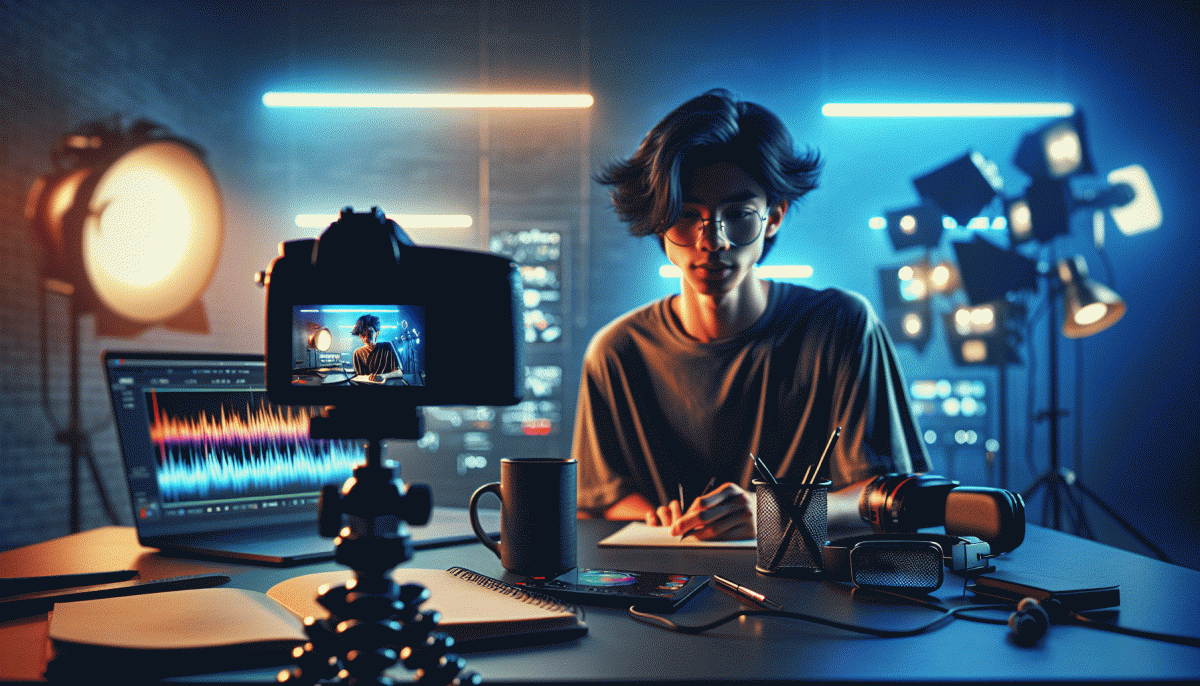
Camera: vertical, handheld or tripod with slight movement; Lighting: natural or warm key light; Audio: authentic voiceover or ambient room sound; Text: short, punchy on-screen lines that double as hooks; Editing: jump cuts and simple transitions that feel conversational. These small choices make branded content feel friendly enough to pause for.
Practical plays you can run tomorrow: open with a question or strange image in the first 1–2 seconds, cut into a quick demonstration or reveal, then end on a loopable motion so viewers watch twice. Add clear captions, a visible but subtle product moment, and a candid reaction shot. If you already have glossy footage, reslice it into vertical, add jump-cuts and a candid voiceover to retrofit the native look.
Measure success by rewatch rate and clickthroughs more than polish. Run three quick variants per week, kill the losers fast, and double down on the native take that keeps people watching. Scale wins with micro-influencers who actually use the product and with tiny creative tweaks that preserve the human feel.
Read also
What Works Best on TikTok in 2026? We Tried It All—Here’s What Actually Blows Up

What Works Best on TikTok in 2026? 7 Ridiculously Effective Plays You Can Swipe Today
What Works Best on TikTok in 2026? We Cracked the Code
What Works Best on TikTok in 2026? We Tested It So You Do Not Have To
What Works Best on TikTok in 2026? We Ran the Experiments So You Never Have To