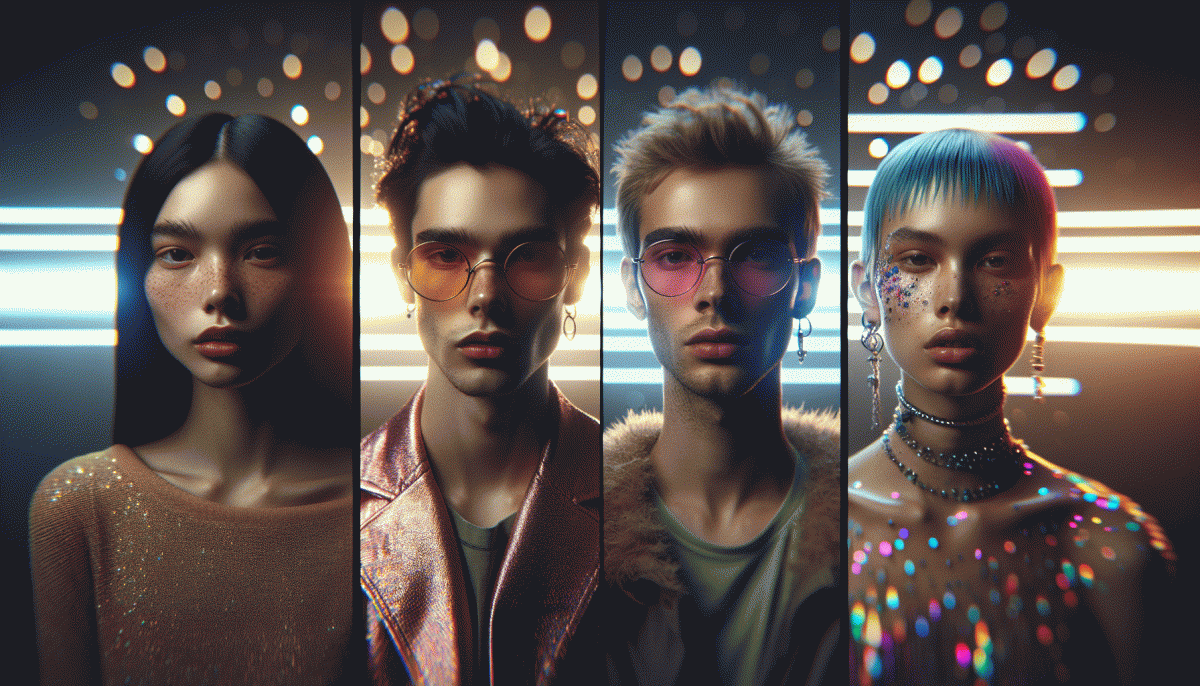
We Tested Raw vs Flashy vs Weird—Guess Which Style Crushed It?
Raw: Scrappy, human, and weirdly persuasive on a tiny budget
Forget glossy polish; the charm of the raw approach lives in its flaws. A handheld shot, a breathy laugh, a mis-timed zoom—these are the texture that pull people in because they feel like humans, not billboards. When budget is a ceiling instead of a moat, authenticity becomes leverage: give viewers an unvarnished moment and they will trade attention for honesty.
Make this practical: shoot on a phone, stack clips into a 15–30 second routine, and lead with a strange micro-hook in the first 2 seconds. Use natural light, keep captions on, and lean into ambient sound. The weirdest take often becomes the most shareable. Try a short loop, a subtle jump cut, or a candid outtake as the hero asset. No studio, no problem.
Operationalize scrappy. Create a daily two-take habit: one polished idea, one ridiculous experiment. Track playthrough rate and shares, not vanity metrics. Repurpose the winner across formats—story, feed, short ad—and let the community remix the oddball bits. When a comment thread starts to riff, pin it. When a meme emerges, amplify it. Low cost plus rapid feedback equals high creative ROI.
This is not anti-design; it is strategic minimalism. Use a tight visual language, consistent audio cue, and a small set of repeatable formats so viewers recognize you instantly. Then surprise them with personality. If you are on a tiny budget, pick one weird idea, polish its delivery just enough, and publish. The raw route rewards bold, human choices over perfect but forgettable polish.
Flashy: Sparkle that stops the scroll—does it sell or just dazzle?
Flashy creatives catch eyeballs - big, bright thumbnails, kinetic text, and a glittery angle that pauses a thumb mid-scroll. That attention is currency, but attention alone doesn't equal a sale. The risk: sparkle can create shallow curiosity instead of buying intent, so your shiny ad must do more than dazzle; it has to guide the eye toward a decision.
In our A/B tests flashy ads drove a dramatic lift in CTR (often 20-40% higher than minimalist versions), yet purchases rose more modestly. Why? Flash attracts window-shoppers. The hard lesson: higher traffic from bling without a tight funnel dilutes ROI. If your post-click experience isn't optimized, that sparkly thumbnail becomes an expensive illusion.
Want sparkle that converts? 1) Pair it with a bold, immediate value proposition so users know why to stay. 2) Match the aesthetic to the landing page - continuity keeps momentum. 3) Keep messaging scannable: one big benefit + one clear CTA. In short, let the glitter lead to a doorway, not a dead end.
Use flashy when you need reach fast or to launch attention-hungry offers; pull back to raw or weird when you want deeper engagement or niche loyalty. Always A/B test creative vs. funnel tweaks together, and measure revenue per visitor, not just clicks. Treat sparkle like seasoning: a little amplifies flavor, too much overwhelms the dish.
Weird: Left-field ideas that hijack attention (and memory)
Novelty is a shortcut to memory. When a feed is a grey river of similar beats, a weird moment acts like a bright rock that forces a reader to change course. That course correction is not random: surprise spikes attention, curiosity adds emotional color, and a simple repeated cue anchors the memory. In practice, one odd image or an unexpected tone can convert a scroll into a story that people retell.
Successful weirdness is deliberate, not chaotic. Combine a familiar scene with one absurd element and let that contrast do the heavy lifting: a user guide told as a detective case, a product demo shot from a pet perspective, or a serious stat displayed with playful typography. Use scale, sound, or timing to amplify the mismatch, but keep the message scaffolded so the oddity points back to one clear idea.
Turn weird into a repeatable tactic with a small execution framework. Pick one eccentric anchor and make it unavoidable in the creative. Keep one brand truth visible so recognition survives the surprise. Run quick microtests to compare share rate, comment tone, and time spent. If a concept gets laughs but confuses the outcome, tighten the cue until recall and attribution align.
Measure success with share velocity, the quality of comments, and a short recall check after 24 hours. Favor ideas that people describe in one sentence and then tag a friend. Weird should be a strategic lever, not a stunt: be bold, keep clarity as a safety rail, and iterate until strange becomes sticky.
The Scorecard: Clicks, watch time, and conversions—who actually won?
We graded each creative not by gut feeling but by three clean KPIs: who pulled the most clicks, who held viewers longest, and who actually nudged people to act. The process was simple: identical budgets, similar audiences, and a small army of tracked variants. That meant fast lessons instead of guesses, and the scoreboard was deliciously honest.
When the dust settled, the trifecta split into clear roles: Flashy tended to win the click race, Raw dominated watch time, and Weird drove the best conversion lift. If you want to scale any of those outcomes fast, start with the small wins. For a quick launchpad try fast and safe social media growth to test creative angles without reinventing the wheel.
Flashy wins clicks because it interrupts scroll patterns: louder colors, faster cuts, bold promises. Actionable tip: make the first 1.5 seconds do the heavy lifting. Lead with motion, a single clear benefit, and an eyebrow raising visual so the algorithm feeds that content to more people and you get more cheap clicks to split test further.
Raw content wins watch time by trading polish for authenticity. Long takes, layered context, and genuine curiosity keep viewers past the 50 percent mark. Actionable tip: give viewers two reasons to stay in the first 10 seconds and a mini payoff at the midpoint to reset attention. That watch time signals quality to platforms and can compound reach without extra spend.
Weird content converts because it nails a niche feeling and pairs a quirky hook with a concise CTA. Actionable tip: embed the ask inside the odd moment when attention peaks. Final takeaway: pick the style that matches your goal, then run tight A B tests across creative and placement. The best strategy is not one style only but a mix that matches clicks, retention, and conversion budgets.
Your Move: A quick 3-step test to find your brand’s winning vibe
Stop guessing and start testing: run a tiny lab that compares Raw, Flashy, and Weird versions of the same idea in real conditions. This quick routine is low-effort but high-signal — you will learn what actually activates your audience, not what sounds good in a brainstorm. Do the three steps back-to-back so results are clean and comparable.
- Raw: Drop an unpolished clip or candid photo with a simple caption; prioritize authenticity over polish.
- Flashy: Post a high-production version with motion, effects, and snappy hooks; aim for visual punch.
- Weird: Launch a quirky or off-kilter take—weird framing, surprising copy, or absurd humor to provoke shares.
Keep variables consistent: same CTA, same posting time, same audience slice. Run each for 48–72 hours and score them on three metrics: attention (views or watch time), engagement (likes, comments, shares), and intent (clicks or signups). Record sentiment from top comments to catch the quality of engagement. Don't overthink noise — focus on clear directional wins.
Pick your winner by weighted score (attention 40%, engagement 40%, intent 20%), then iterate: amplify the winning vibe, A/B test the creative hooks, and scale budget where ROI is real. If results tie, blend elements and retest. Repeat monthly to stay ahead — trends shift, but this 3-step test keeps your brand nimble, honest, and ready to crush it.
Read also

Raw vs. Flashy vs. Weird: We Ran the Showdown—Guess Which Style Actually Wins?

We Tested 7 Instagram Post Formats—Guess Which One Crushed Engagement?

Raw, Flashy, or Weird? The One Style That Crushes Conversions Might Surprise You

Raw vs. Flashy vs. Weird: The Showdown Your Brand Didn’t Know It Needed
Raw vs Flashy vs Weird: The Creative Cage Match No One Saw Coming