
We A/B Tested Raw, Flashy and Weird — The Winner Will Surprise You
Raw: Scrappy, Human, and Built for Trust
Raw works because people prefer people to polish. A cracked camera, a stuttered sentence, a coffee stain on the frame — these imperfections are not bugs, they are trust signals. When you stop mansplaining polish and start showing process, audiences stop wondering what is sold and start feeling invited. That feeling is currency; it buys attention and low-friction loyalty. Brands that show the human cost or the mess behind the magic cut through more quickly.
Operationally, raw is cheap to produce and fast to iterate. Swap a scripted commercial for a 30 second recorded voice note. Use user clips, candid screenshots, and caption threads that read like actual conversation. Capture voice notes, raw reactions, and off the cuff comments to keep the tone alive. That lowers production time, ramps content volume, and gives you real data to A/B test. Start with what you already have and publish today.
Want to accelerate reach for those authentic posts without faking the vibe? Consider small boosts that amplify real engagement instead of manufactured metrics. For quick experiments try order TT boosting to seed visibility, then double down on the raw formats that get organic saves and replies. Start with micro budgets and learn fast; reinvest in winners.
Measure signals that matter: saves, replies, message starts, and long view time. Raw tends to trade polished vanity metrics for deeper signals that predict retention. Track those micro conversions and map them to LTV. Correlate these signals with revenue where possible to make reporting easier. If engagement quality climbs, you have evidence to scale, not an opinion to justify spend.
Practical checklist: film a 20 second behind the scenes clip, post a customer quote screenshot, run two headlines, and treat each post like an experiment. Keep edits minimal, captions conversational, and the call to action small. You might be surprised how often the scrappy route beats high gloss when trust is the conversion you need.
Flashy: Polished, High-Drama, and Scroll-Stopping
Flashy creative grabs the thumb before the brain wakes up: dazzling color, cinematic lighting, a tight hook in the first second, and edits that feel like a trailer. The goal isn't to show off — it's to stop the scroll and prime emotion fast. It's the difference between "seen" and "remembered", and when done right, polish signals trust and urgency without feeling stickered-on.
Lean into contrast: saturated accents against muted backgrounds, bold typography that reads at a glance, and micro-motion (subtle parallax, a purposeful jolt) to guide the eye. Sound design matters — even silent videos can suggest rhythm with animated text. Use negative space like a stage; every movement should matter so the drama lives in timing, not clutter.
Make your A/B plan ruthless: test static hero versus a 3s loop, headline-heavy frames versus minimalist captions, and bright-CTA color swaps. Track CTR, view-through rate, and immediate conversions — but also measure dwell time to catch attention that leads to consideration. Run tests across placement and audience segments; small tweaks to timing often outperform bigger budget bets.
Flashy doesn't mean soulless: pair polish with an authentic insight and you'll get both attention and affinity. Try a 48-hour experiment swapping in a cinematic loop and one copy tweak, then scale the winner. And never confuse flash for strategy — measure, iterate, and keep what moves metrics, not just eyeballs.
Weird: Quirky Hooks That Pattern-Break and Stick
Quirky hooks thrive because they interrupt autopilot. A funky line, an awkward visual beat, or a micro non sequitur forces attention and gives your message a fighting chance inside a scroll-happy feed. In our cross-format A/B work the oddball approach did not always win, but when it hit the sweet spot it amplified reach, recall, and stickiness beyond polished alternatives.
Treat weird like a dial not a destination. Swap a single element across variants: a bizarre opener, a voice break, a deliberately awkward caption, or a surreal thumbnail. Run each against a clean control on small slices, require statistical signal before promoting, then iterate two to three rounds. This keeps risk low while surfacing high-impact surprises.
Quick templates to test right now:
- Tease: Lead with an odd, incomplete statement that demands a follow up so users must tap to resolve curiosity.
- Flip: Present the expected outcome, then show the opposite in a quick cut to create a tiny cognitive jolt.
- Offer: Use a playful, almost irrelevant freebie line that doubles as a social proof magnet and share hook.
Watch for novelty fatigue and brand dissonance. Track CTR, shares per impression, sentiment, and conversion lift to ensure weird drives business outcomes not just amusement. If shares spike but conversions stall, blend the winning oddball with clearer next-step cues. Run a seven to ten day rotation, promote the best oddball into a blended follow up, and repeat so you can reliably tell whether weird truly beats standard.
The Test Plan: Audiences, Formats, and Metrics That Matter
Audience split: We started by mapping the audiences into four crisp segments: New seekers, Loyal fans, Cold lookalikes, and Cart abandoners. Each group received bespoke creative feeds and budgets sized for reach and statistical power. The aim was simple — let audience behavior, not hunches, reveal which tone wins.
Format rules: Creatives were matched to platform behavior: short vertical clips for high watch time, punchy carousels for skimmed feeds, and oddball micro experiments for shareability. Length guidelines were strict: 6–15 seconds for awareness, 15–45 seconds for engagement, and 45+ only for storytelling. Thumbnails, first-frame hooks, and captions were standardized so format, not polish, drove results.
Metrics that matter: We split metrics into primary and diagnostic buckets. Primary metrics included conversion rate, cost per acquisition, and return on ad spend for bottom-funnel evaluation; view-through rate, average watch time, and click-through rate for top-funnel signals. Diagnostics tracked comments per view, share rate, and repeat exposure lift. Success thresholds and sample sizes were predefined.
Test mechanics: Randomized allocation and equal traffic slices kicked off each run, with a minimum two week window to avoid early variance. Budgets were split 40/40/20 across the three creative styles to give frontrunners room while keeping the weird option alive. Early stopping was triggered if a variant underperformed by a large margin for three consecutive days.
Decisions and scaling: Weekly dashboards and a clear decision tree ensured winners were declared only when business metrics and statistical significance aligned. Winning creatives moved into scale mode with iterative tweaks, and every surprising weird win was logged as a repeatable playbook. Actionable clarity beat cleverness alone.
Your Playbook: When to Pick Each Style (Plus Budget-Smart Tips)
Think of choosing a creative style like picking a playlist for a party: raw brings honesty, flashy brings polish, and weird brings memorability. Use a quick diagnostic to decide: need trust and social proof? lean raw. Need reach and spectacle? go flashy. Need a polarizing spark to start conversations? try weird. Always align spend with that single goal.
Pick raw when your aim is credibility, community building, or proof of product-market fit. Budget-smart plays include shooting on a good phone with steady framing, harvesting existing customer clips, swapping fancy color grades for consistent natural lighting, and reusing one strong testimonial across formats. Focus A/B tests on messaging rather than effects so your cash buys learning, not just drama.
Choose flashy for launches, hero campaigns, or when premium perception unlocks conversions. Stretch your budget by buying motion templates, smart stock assets, and committing to one high-impact hero shot instead of many elaborate scenes. Pay for a short block of professional editing to create polish, then slice that export into short cuts and captions for broad distribution.
Go weird when attention is the primary KPI and you are ready to embrace risk. Keep costs low by treating weird as rapid experiments: micro budgets, loopable short formats, remixable audio, and small influencer collabs. Measure engagement signals early and kill or scale quickly rather than pouring months into a risky concept.
Quick checklist to apply now:
- Raw: Leverage UGC and testimonials; low cost and high credibility.
- Flashy: Invest in a hero ad plus templates; get maximum reach per dollar.
- Weird: Run three cheap variants; double down on the one that spikes attention.
Read also

Raw, Flashy, or Weird? The One Style That Crushes Conversions Might Surprise You

UGC Off Social? We Tested It—And the Results Will Surprise You

SEO in 2026: Dead or Dominating? The Answer Will Surprise You

Raw vs. Flashy vs. Weird: The Showdown Your Brand Didn’t Know It Needed
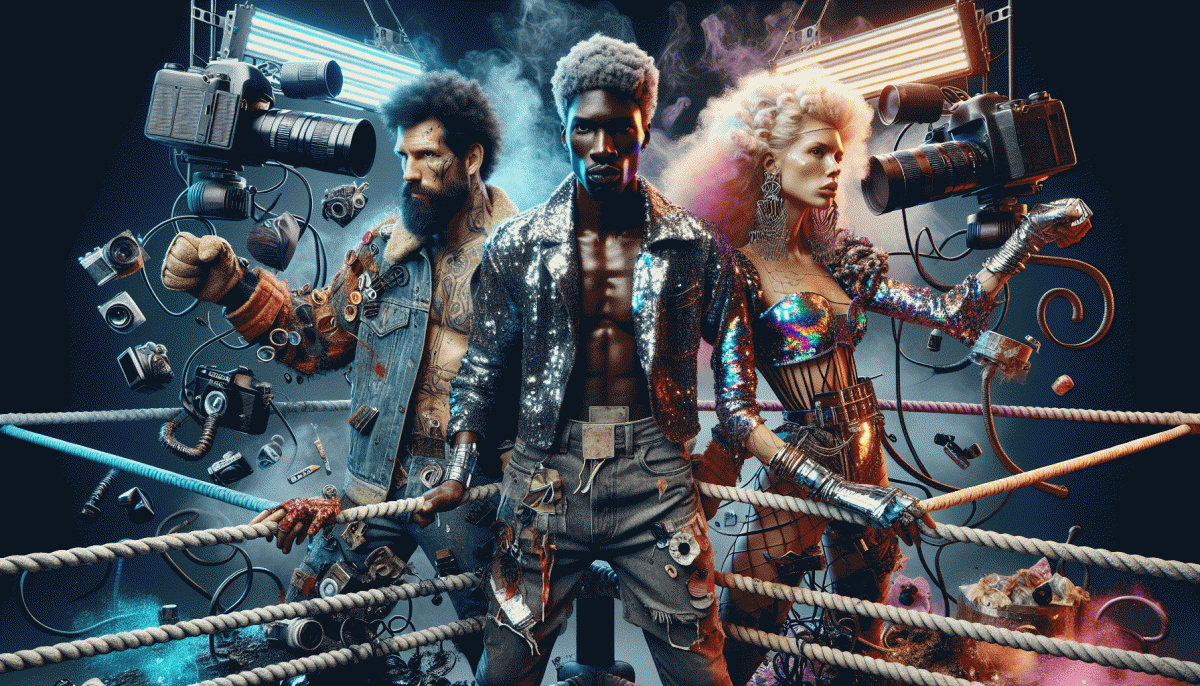
Raw vs Flashy vs Weird: The Creative Cage Match No One Saw Coming