
Visual Trends in 2026: The Eye-Popping Secrets Behind What Actually Goes Viral
Hook Them in 2 Seconds: Short-Form Video That Stops Thumbs Cold
First impressions happen in a blink, and on mobile that blink is about two seconds. Think of the opening frame as a tiny billboard on a conveyor belt: it must promise a payoff, throw a visual curveball, or make a human face register emotion instantly. If you can make a thumb stop without saying a word, you are halfway to a share.
Design that first frame with intent. Use high contrast colors or a sudden movement, crop tight on a face or an object, and lean into dramatic lighting. A 3x zoom, a sideways whip, or a bold color splash will register faster than a slow build. Strong composition and a bold focal point win over perfect polish every time.
Sound and captions are not optional accessories. Punchy audio cues in the first 300ms signal urgency, while clear captions make the moment accessible and scannable. Layer short, bold text on screen that teases the payoff, then deliver it with a quick edit cadence so viewers do not have to guess what happens next.
Use simple micro formulas to brainstorm ideas: Shock then solve, tease then reveal, or before and after with a fast cut. Each concept should answer the silent question on the viewer mind, Why should I watch this? Build three variants, swap the opener, and keep everything else constant to learn what actually grabs attention.
Finally, measure the tiny moments: 1s and 2s retention, swipe rate, and rewatch spikes. Treat the first two seconds as an experiment you can iterate daily. Nail that slice of time and the rest of the video gets to do its job.
Bold and Big: The Typography Style Feeds Reward Right Now
Big, blunt typography is the visual equivalent of someone tapping you on the shoulder in a crowded feed: it interrupts scrolling and triggers a tiny dopamine nudge. Oversized, unapologetic letters read as signals of importance, increasing pause time, screenshot potential and the little micro-actions—holds, replies, shares—that actually propel content into viral territory.
Think in scale and rhythm. Push headline size until it dominates the frame, tighten tracking for a compact impact, and use ultra-bold weights for the primary message while keeping supporting copy airy. Limit yourself to one dominant type family and one contrasting style; too many fonts dilute the punch and confuse the eye.
Contrast and breathing room matter more than ornament. High color contrast, generous negative space and simple backgrounds let oversized type do the heavy lifting. Try cutting words into blocks, wrapping type across imagery, or breaking headlines into stacked lines so each swipe reveals a hero word. On mobile, short line lengths and large first words make scanning far more satisfying.
Make type interactive to reward engagement: animate a single bold word on scroll, swap weights on tap, or introduce subtle motion to highlight a CTA. Run A/B tests that vary size, line breaks and weight, then track micro-conversions—time on card, holds, screenshot saves—rather than only clickthroughs. Small typographic tweaks often produce outsized social lift.
Quick starter checklist: craft one bold statement and cap it at 3–7 words; choose one family and one hero weight; ensure alt text and contrast for accessibility; export portrait and landscape crops. These simple, actionable moves turn loud typography into visual currency—attention that's more likely to be shared, bookmarked and talked about.
Lo-Fi Looks, High Engagement: Why Imperfect Wins in 2026
Forget glossy perfection. In 2026 the lo fi look is not a budget choice, it is a deliberate attention tactic: grain, shaky framing, raw color casts, and honest mistakes signal a human behind the lens. Audiences are allergic to overproduced polish because it feels staged.
Platforms reward reactions, not pixels. Shorter watch time gaps, spontaneous comments, and rapid replays all spike when content feels real. A slightly imperfect clip gets more rewatches and replies because viewers want to decode the context or join the conversation—engagement beats studio sheen every time.
How to lean into this without looking lazy: film vertical on a phone, keep audio up front, add rough captions, and cut with jump edits rather than smoothing every seam. Show process footage, mistakes, and unfiltered responses so viewers feel invited to finish the story.
Adapt the lo fi ethos to formats: short loops for platforms that reward repeat plays, longer candid streams for deep community building, and still images with handwritten overlays for micro communities. Test one imperfect style per week and double down on what wins.
Quick checklist: pick one raw element to amplify such as grain, voice, or a visible mistake; publish with minimal polish; measure comments and rewatches. If engagement rises, refine the imperfection into a signature. Great visuals are not flawless, they are familiar.
Color That Converts: Neon Gradients vs Earthy Calm
Neon gradients grab eyeballs; earthy palettes soothe scroll fatigue. Use neon when you want a visceral jolt — signups, limited drops, or any CTA that benefits from high energy. Use earthy calm to build trust, slow down consideration, and help product stories breathe. Both convert, but for different moments.
Start by mapping micro-goals to mood: fast conversion = bright gradients + high contrast buttons; long-term engagement = desaturated tones, roomy layouts, and tactile textures. On Instagram and TikTok neon can punch through the feed; on long-form pages and email, warmth reduces churn and increases reading time.
Pick a playbook:
- Burst: Neon gradients, bold typography, and a single sharp CTA to trigger impulse actions.
- Slow: Earthy tones, generous whitespace, and layered storytelling to nurture consideration.
- Hybrid: Accent neon on primary actions against an earthy backdrop for contrast without fatigue.
Implementation matters: keep accessible contrast, limit neon spans to focal elements, and test motion—animated gradients convert but can distract if overused. Export consistent swatches for dev, document hover states, and use CSS variables so you can flip between palettes for A/B tests.
Quick experiment: serve neon-first to 50% of new visitors and earthy to 50%, track CTR, time on page, and micro-conversions for two weeks. The winner won't be universal, but you'll get a playbook that actually scales. Now go make color that converts.
AI-Aided Aesthetics: Prompts, Filters, and the Viral Sweet Spot
Think of AI as your pixel stylist: it transforms a sketchy idea into a mood, a texture, and a scroll-stopping moment. Start prompts with concrete sensory cues — light direction, fabric, season, or lens — and keep descriptors tight to reduce wasted iterations and keep results consistent.
Filters are your tone-of-voice mixer: subtle grain, temperature shifts, and micro contrast unify an image without shouting that it was generated. Use a two stage workflow — compose with the model, then apply small, deliberate filter passes — so you preserve serendipity while dialing in shareable vibes.
True virality lives at the intersection of comfort and surprise. Pair a familiar archetype like a human face or everyday scene with one twist — an absurd scale, a neon color splash, or a playful framing move — to force a double take. Prioritize screen first framing: tight crops, bold centers, and quick visual rhythm for fast scrollers.
- Prompt: Start with a sensory verb, era, and lens to lock composition and mood.
- Filter: Apply gentle grain, color grade, and upscaling to make details sing.
- Hook: Add one unexpected element in the first two seconds to trigger shares.
Ship early, iterate fast: produce three variants, measure engagement, then scale the winner. Keep a prompt library and record seeds and filter settings so you can reproduce hits. Consistency plus one brave tweak is the practical path to going viral.
Read also

Visual Trends in 2026: The Shockingly Simple Secrets Behind What Goes Viral on Social Platforms
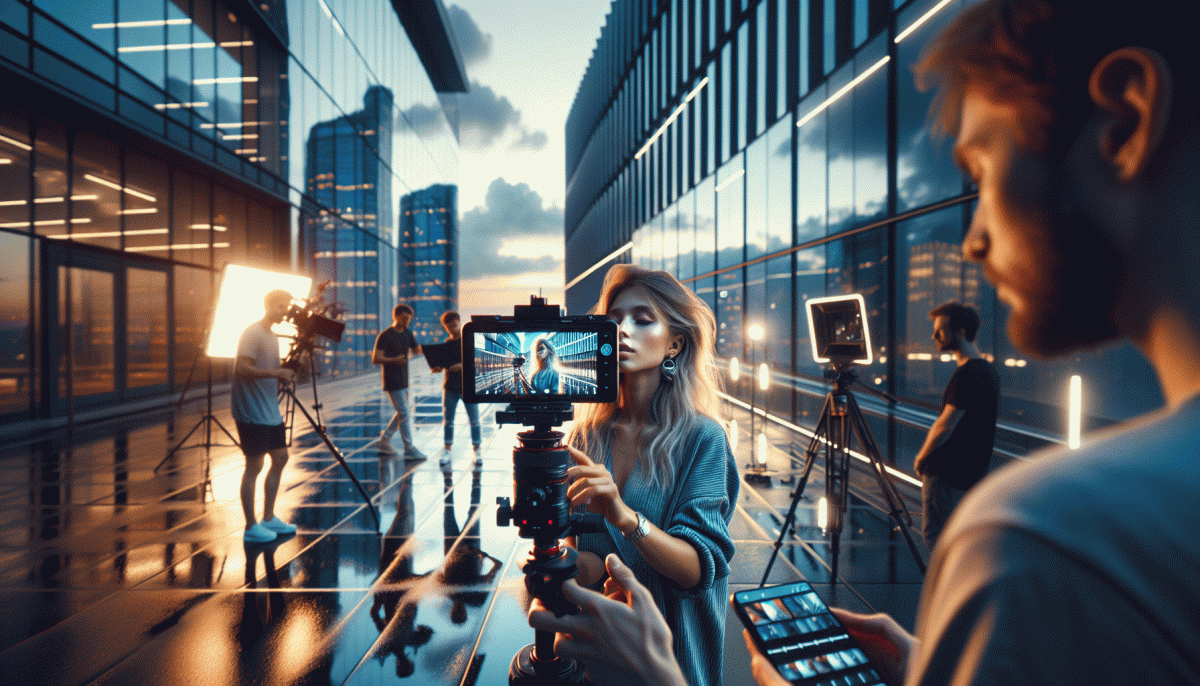
Visual Trends in 2026: What Actually Goes Viral on Social Platforms (and How to Ride the Wave)
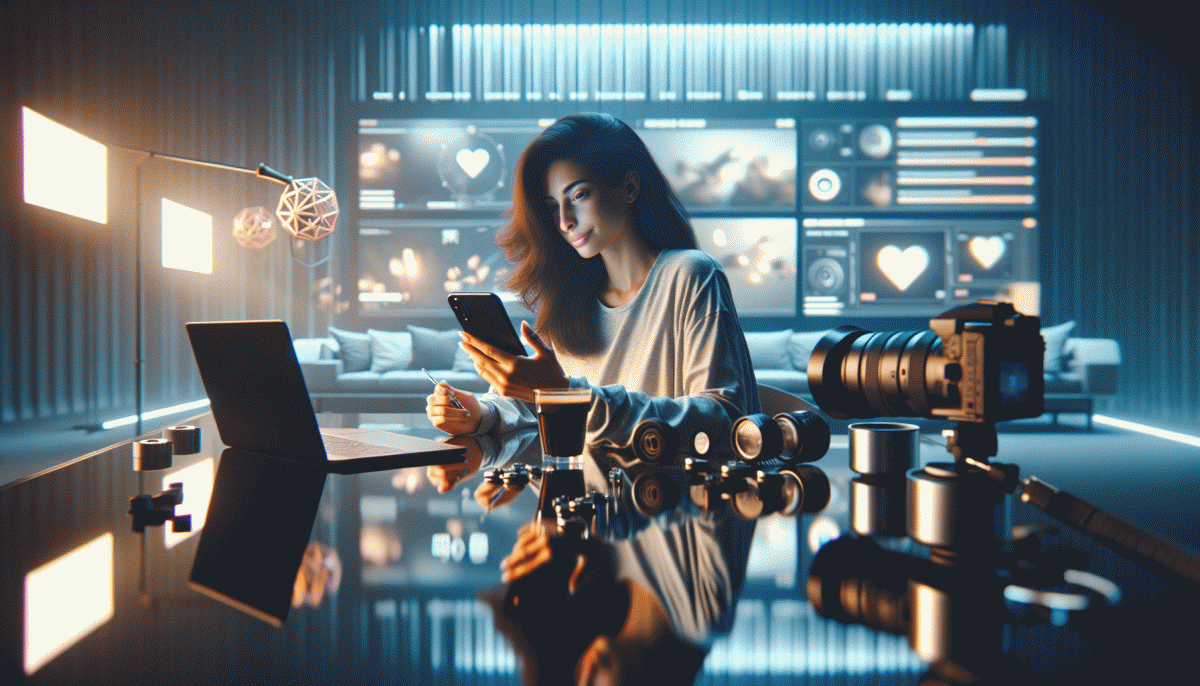
Visual Trends 2026: What Actually Goes Viral on Social Platforms

Visual Trends in 2026: What Goes Viral on Social Platforms (and How to Hijack It)

Visual Trends in 2026: Viral Visual Hacks Social Platforms Cannot Resist