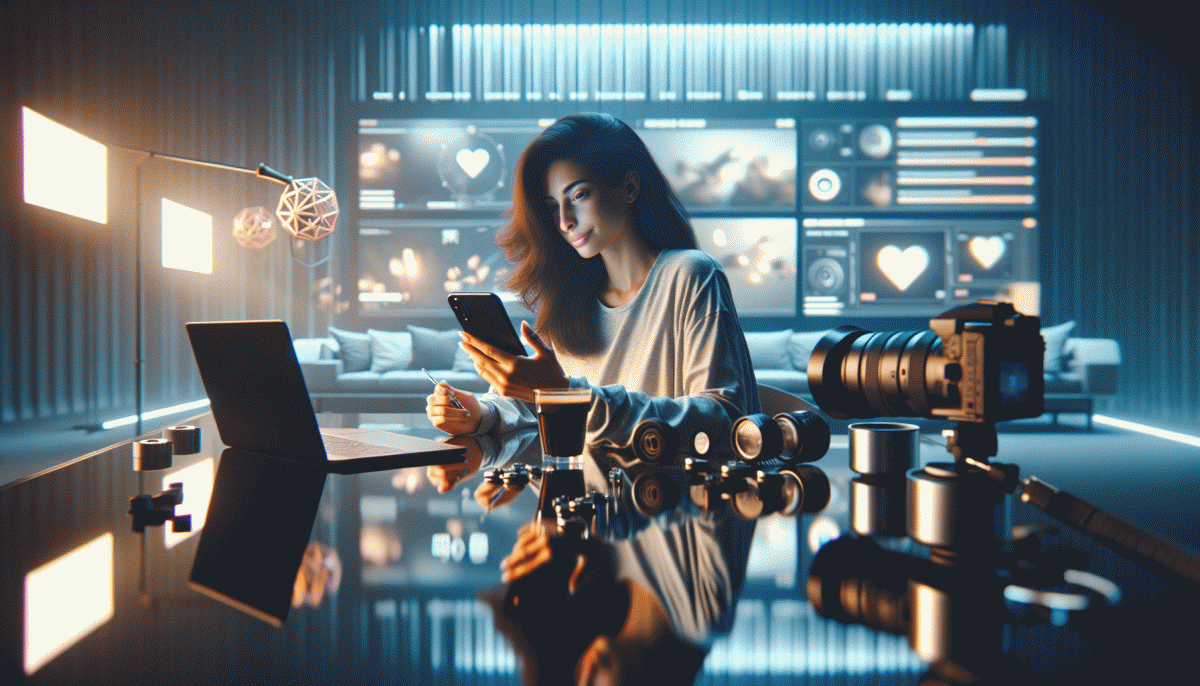
Visual Trends in 2025: The Viral Playbook Social Platforms Don't Want You to Know
Lo-Fi Is the New Luxe: BTS Scrappiness That Outperforms Studio Polish
Audience attention is migrating away from perfect polish and toward the joyful mess behind creation. When a camera wobbles, a light flare sneaks in, or a distant laugh interrupts, human brains register a signal: real people were here. That micro authenticity drives shares and saves more reliably than cinematic perfection that feels staged.
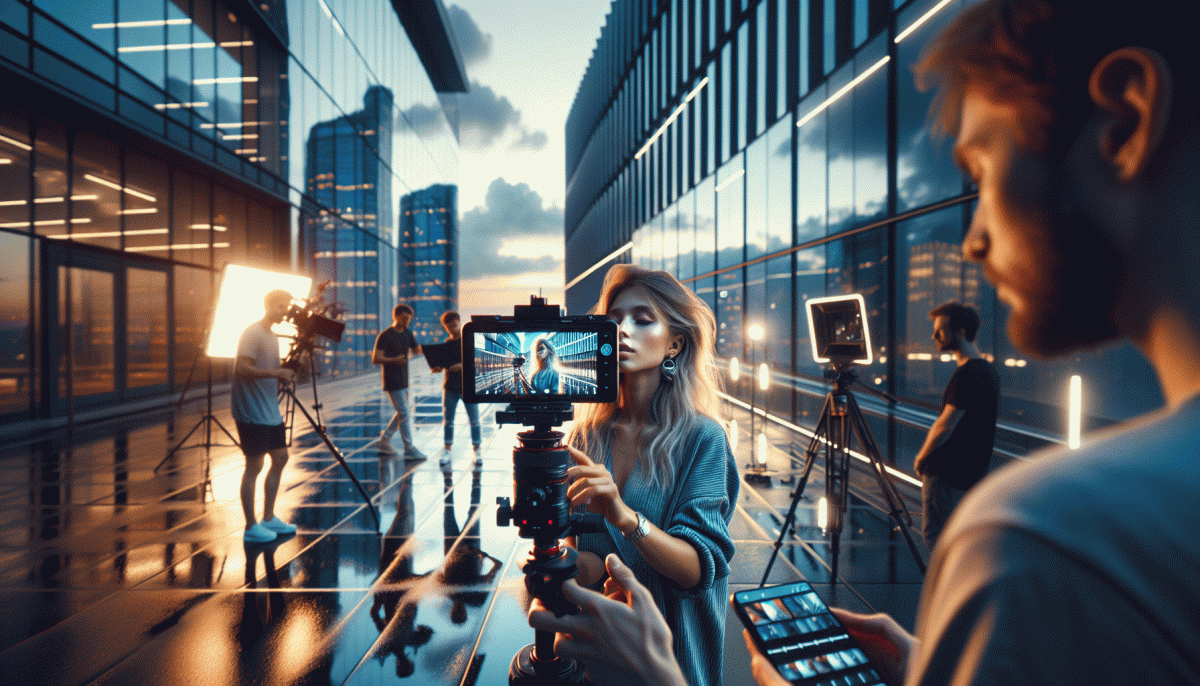
Make the switch without losing control. Start with three short, behind the scenes moments: a quick setup cut, a candid reaction, and a closing note about a mistake that taught something. Shoot on phone, use available light, and aim for edit length under forty five seconds. These constraints force narrative clarity and make every frame earn attention.
Algorithms reward behavior that mimics human discovery: rewatch loops, comments, edits, and shares. Encourage replays by hiding a small reveal at the end, ask a playful question in the caption, and leave space for viewer replies. Track average watch time, share rate, and comment depth to see the advantage. Often, the scrappiest clip outperforms a highly produced piece on these KPIs.
For teams worried about scale, create a modular lo-fi system. Draft a two line brief, capture five forty second takes, then batch edit templates with consistent color accents or a signature sound. Invite customers and staff to film candid clips and credit them on reposts. The result is a library of authentic assets that still read like a cohesive brand story.
Treat lo-fi as an experiment, not a style you must worship forever. A/B test raw against polished, vary the cadence, and keep a few studio pieces for momentary spectacle. If you measure signals, iterate fast, and lean into small imperfections, you will unlock the kind of cultural momentum algorithms favor in 2025 — playful, human, and undeniably shareable.
Text That Moves: Kinetic Captions and Bold Typographic Hooks That Stop the Scroll
Think of text as the wrestler of your thumbnail: it must grab, twist, and pin a thumb to the screen in under a second. Kinetic captions — short, animated typographic lines — do exactly that. A punchy 1-3 word hook that scales and bounces into frame outperforms static copy because motion signals importance; our brains prioritize changing things. Use big, condensed type and high-contrast colors so the animation reads even on small screens.
Design rules to steal: keep entrances short (200-350ms), pause the headline long enough to read (600-1,200ms), then let it exit cleanly. Combine subtle easing with overshoot for personality, and avoid busy shadows that kill legibility. Swap fancy fonts for bold geometric families for the top hook and reserve decorative flourish for secondary text. If you must animate multiple lines, stagger them—don't let everything fight for attention.
Platform-savvy tweaks matter: vertical short-form needs larger type and a faster tempo; in-feed carousels tolerate slower reveals. Always assume sound is off— captions should carry the gist and sync to beats for viewers who do enable audio. Test copy length: sometimes a single emphatic verb outperforms a clever sentence.
Make it repeatable: build editable templates, record your timing presets, and A/B headlines over 48-72 hours. Track retention lifts, not vanity plays. The payoff is huge: readable, moving type multiplies shareability and keeps you in the loop when the algorithm decides who gets seen next.
Remix Culture Wins: Micro-Memes, Green Screens, and Duet-Friendly Formats You Can Steal
Culture now moves in tiny, contagious beats. Micro-memes are the short, repeatable riffs that invite edits, green screens hand over the stage, and duet friendly formats give fans a low friction way to become coauthors. The play is simple: give people something to riff on, keep the structure obvious, and make the creative lift so small that remixing feels like a reflex.
Start with modular building blocks. Design a 2 to 4 second hook that loops cleanly, a 15 second scene with a green screen cue, and a clear duet prompt that asks for a reaction, answer, or twist. Frame for vertical viewing, add readable captions in the first three seconds, and provide an easy label for creators to copy as their caption. These micro templates become your brand kit for viral variants.
Optimize the workflow so remixing is effortless. Save labeled clips and stems, deliver one-click background presets, and release a starter pack of sound edits at three distinct BPMs. Seed a few prototype remixes from collaborators, then highlight the best ones to signal that participation is rewarded. Make the invitation explicit: show how to align cuts, where to drop audio cues, and which color or font to match for instant recognition.
Finally, treat virality like iteration. Track which micro-variant sparks the most duets, double down on that sound, and spin off two new templates in 48 hours. When fans can easily steal, tweak, and repost, your idea becomes a meme engine. Play generous, be obvious, and watch the network do the heavy lifting.
AI-Gen Aesthetics, Human Heart: Use Synthetic Visuals Without Losing Brand Soul
Treat synthetic art like a new paintbrush, not a replacement for your brand voice. Start every AI session with a tiny brief: three adjectives that capture your personality, two must-have visual anchors (logo placement, color swatch) and one forbidden element. Those constraints stop the one-size-fits-all look and give models a directional heartbeat—allowing striking novelty without muting recognition.
Make a human-in-the-loop workflow your secret sauce. Generate five variants, pick the strongest, then iterate with micro-prompts: tweak contrast, add grain, reposition focal points. Keep a short signature file—snippets of textures, color codes, and crop rules—to reapply across outputs so every image reads as yours even when an algorithm helped render it.
Optimize images per platform: tighter crops and bolder thumbnails for short-form feeds, softer compositions with breathing room for captions on long-form pages. A/B test creative pairs where one element is purely AI and the other includes hand-polished tweaks; measure click-through, watch time and comment sentiment, not vanity numbers, to see which choices actually build affinity.
Finally, be transparent and legal: label synthetic visuals where required, respect likeness rights, and archive editable source files. Use AI to accelerate ideation, but use humans to curate character—your brand soul is a practiced filter, not a feature flag. Treat AI like a collaborator that helps you show up bolder, not someone who changes who you are.
The 0.8-Second Hook: Face-First Framing, Curiosity Gaps, and Thumb-Stopping Thumbnails
Attention spans are microscopic in 2025: you have about 0.8 seconds to prove your content deserves a swipe stop. That means face-first framing is not optional, it is tactical. Bring the camera so close the eyes read like emojis, use a fraction of motion to promise a reaction, and let expression do the heavy lifting. The brain locks on to faces before logos, so make the face the visual headline.
Composition is the difference between scroll and stare. Aim for tight crops that place the eyes on the upper third, boost contrast on the face, and remove competing elements. Micro-cues like a finger pointing off-frame, a subtle head tilt, or a blink can create a curiosity gap that forces a viewer to linger—exactly what the algorithm measures as interest.
Thumbnails must be thumb-stopping: single subject, bold color contrast, and a small readable microtext if needed. Avoid clutter; one mystery plus one promise works better than three facts. Test thumbnails as static images first, then watch the first 800ms of actual video to ensure the movement aligns with the still. If they do not match, viewers will feel tricked and drop.
If you need a quick testing playground to validate which hooks land, try this: safe TT boosting service for rapid feedback loops. Use it only to accelerate learning—run A/B shots with different crops, expressions, and micro-motions, then double down on the winner.
Quick checklist: lead with a face, add a curiosity gap, simplify the thumbnail, check first-frame fidelity, and iterate fast. Win the first 0.8 seconds and the rest of the watch time will follow.
Read also

Visual Trends in 2026: Viral Visual Hacks Social Platforms Cannot Resist
Visual Trends in 2026: 11 Viral Triggers Social Platforms Cannot Resist

Visual Trends in 2026: The Shockingly Simple Secrets Behind What Goes Viral on Social Platforms
Visual Trends in 2026: What Actually Goes Viral on Social Platforms (and How to Ride the Wave)

Visual Trends in 2026: What Goes Viral on Social Platforms (and How to Hijack It)