Visual Trends in 2025: The Scroll-Stopping Looks That Go Viral (Steal These!)
Color That Clicks: Neon Pops, Cozy Pastels, and the 'Dopamine' Palette
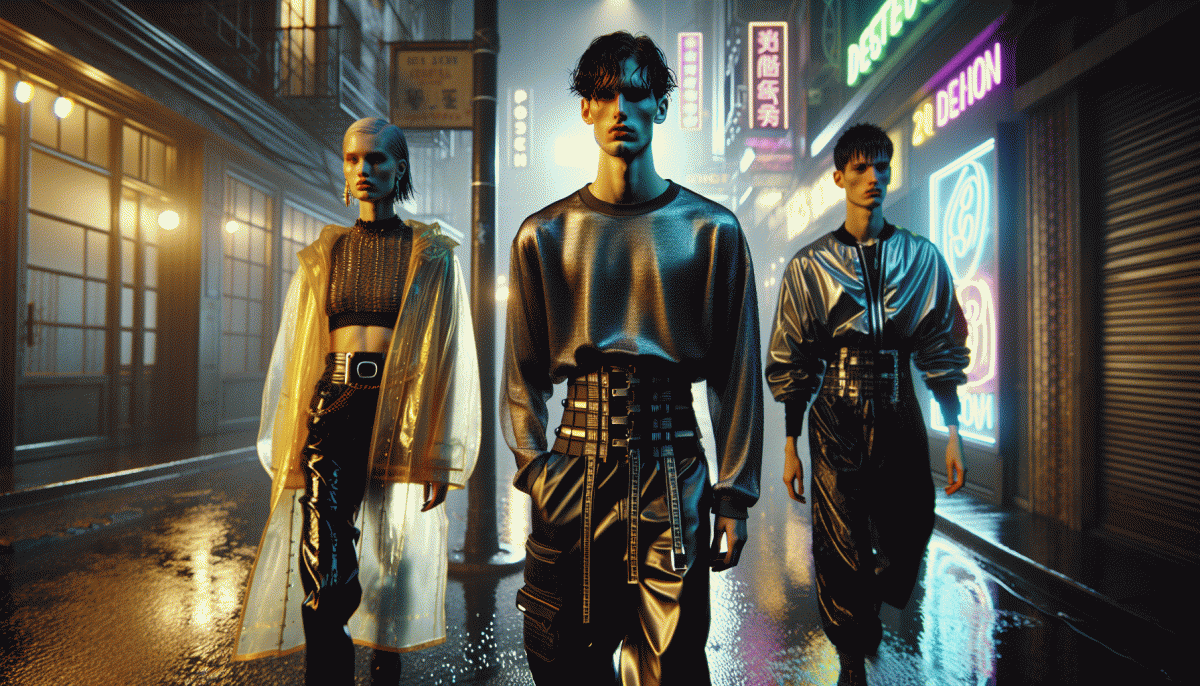
Think of color like a visual pickpocket: the right flash makes users stop and reach for their wallets—or at least their like button. The 2025 color playbook blends neon pops, cozy pastels, and what designers call a "dopamine" palette: a core of gentle, comforting hues anchored by one or two electric accents that trigger instant attention without feeling chaotic.
Use the 60/30/10 rule but with mood: 60% soft Pastel base, 30% neutral or textured elements, 10% neon hit. Keep the neon as a focal point—buttons, microcopy highlights, product edges—so it reads as intentional, not noisy. Try neon pink with a peach pastel for friendly products, or electric lime with muted teal for edgy lifestyle brands. Gradients and duotones are your friends for backgrounds and thumbnails.
Practical polish matters: bump contrast for legibility, add subtle shadows or thin outlines to text over neon, and test color-blind accessibility. Use semi-opaque overlays to calm saturated photos, and lean on texture and grain to make pastels feel tactile. For motion, sync a neon flash with a micro-animation to guide the eye—timing beats volume every time.
Platform-first tweaks: on short video intros use a quick dopamine pulse; on carousels let pastels carry storytelling panels and reserve neon for the finale or CTA. Run A/B tests with a single hue swap to measure impact—sometimes a 10% lift lives in one bold pixel. Steal these combos, refine them with data, and watch your visuals do the heavy lifting.
Hook in 1.8 Seconds: Openers That Make Instagram Reels Take Off
Attention is a winky thing: it arrives fast and leaves faster. When your clip has about 1.8 seconds to prove it is worth someone scrolling for, you need an opener that feels like a mini promise — bold, readable, and emotionally clear before the brain decides to move on. Think of that instant as a mini audition for your whole Reel.
Start strong with motion and contrast. An unexpected movement toward the camera, a face making a surprising expression, or a color shift from muted to electric will force the thumb to pause. Pair that with a single, large on screen word or short phrase that states the payoff. Use a sound cue that drops exactly when the visual change lands to create a brain friendly anchor.
Keep the first frame composition simple: a dominant subject, one supporting detail, and negative space for legible text. Cut rhythm should be tight at the top of the funnel, with a micro beat around 0.3 to 0.6 seconds to register the hook, then a slightly longer beat to reward curiosity. Cinematic movement like a whip pan or a quick zoom still beats static footage every time.
Script the first 2 seconds like it is a headline and a promise. Lead with a question, a bold claim, or a tiny reveal that hints at a payoff. Add captions from the get go for sound off viewers. Make your call to action feel native: not a cold command but a tease that keeps them watching until the next reveal.
Test three opener variants, measure retention at 1 and 3 seconds, and iterate. Small changes to color, timing, or the first word will flip performance. Use these micro experiments to build a bank of plug and play hooks that turn casual swipes into real engagement.
Lo-Fi Wins: Why Unpolished, 'Shot on Phone' Content Outscores Studio Gloss
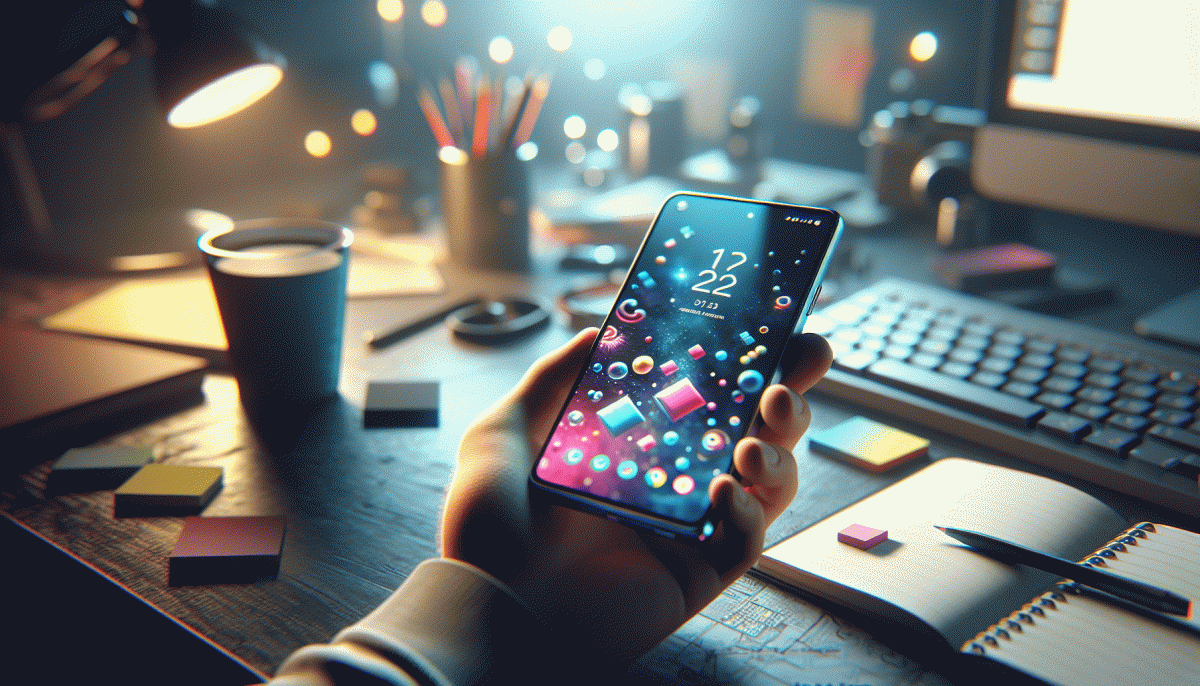
The grain, the wobble, the accidental lamp in the frame—these are the new clicks. Audiences crave signals of real life: imperfect lighting, untrimmed pauses, neighborly background noise. That rawness signals trust and presence in a way glossy studio setups rarely achieve. Think less showroom, more couch chat: intimacy beats polish when attention is the currency.
Algorithms and eyeballs both reward authenticity. Short loops that show a setup mistake then recovery keep viewers watching. Comments spike when creators look like neighbors not billboards. Test camera-first creatives shot on a phone using vertical framing, natural windows, and ambient sound. Keep edits light and purposefully imperfect to invite replays, replies, and saves.
Quick wins to steal: film in one take for at least one scene, add candid captions that feel handwritten, zoom slowly instead of jump cuts, and let ambient audio breathe. Use a single color prop to anchor brand recognition without flattening the vibe. Repurpose bloopers as separate micro clips; they convert because people love to see the human side.
For marketing teams that want proof, run a simple split test: same script, studio versus phone. Measure watch time, comment rate, and saves rather than vanity polish metrics. If the lo fi variant wins, double down on user generated content pipelines and short form briefs that encourage charming, imperfect work. Authenticity scales when systems support it.
AI, But Make It Human: Generative Visuals That Feel Real (and Play Nice With Copyright)
Generative visuals that feel human are not about tricking viewers with uncanny realism; they are about borrowing gestures, flaws, and narrative cues that register as alive. Lean into subtle inconsistencies — uneven lighting, a stray hair shadow, a slightly imperfect smile — and pair them with storytelling frames: a candid close up, a kitchen counter detail, a handwritten note. That warm, lived in texture is what makes scroll stopping assets.
Keep it safe: build images from rights cleared building blocks. Start with CC0 textures, stock models that include clear releases, or your own photo captures. Fine tune or train only on datasets you own or properly license, and keep a simple provenance log that records prompt versions, seed numbers, and source attributions. Where possible, enable model watermarking or embed metadata so origin is provable without killing creative flexibility.
Practical production knobs to tweak: favor mid level denoising for believable microdetail, avoid over reliance on aggressive upscalers that smear skin texture, and run an artifact audit at 100 percent crop before posting. Export both motion friendly short form cuts and stills at 2x native DPI for thumbnails and repurposing. Always generate alt text and a short behind the scenes caption; audiences love craft and context increases shareability.
Make a tiny playbook: pick three reproducible looks to A B test across platforms — gritty documentary, soft pastel lifestyle, and neon editorial. Keep samples small, iterate fast, and document the license for every element. When visuals feel human and the rights are buttoned up, posts do more than stop the scroll: they start conversations.
Carousel Comeback: Instagram Slides That Drive Saves, Shares, and Clicks
Think of multi-slide posts as tiny storytelling machines: start with a cover that arrests the thumb, then reward the swipe with useful beats. A magnetic first image raises attention, middle slides deliver bite sized value, and the last frame converts curiosity into action.
Frame your sequence like a mini course. Open with a bold promise, follow with step‑by‑step visuals or quick case studies, and close with a single clear next step. Formats that perform well are micro tutorials, before/after reveals, and checklist carousels that people want to save.
Design for scanning: strong hierarchy, large readable type, and a consistent palette so viewers know they are still in your story. Number slides to cue progress, add one small animation per slide to keep pace, and use contrast to make the hero stat or visual pop on the feed.
Make sharing automatic by baking in social triggers: include a short line like Save this for later on resource slides, a prompt to tag a friend who needs it, and a clear value exchange so people feel good about sharing. Saves and shares are the signals that push a post into new audiences.
Measure what matters and iterate fast. Track saves, shares, and outbound clicks per slide, A/B test covers, and repurpose the best performing slides into single image ads or short reels. Swipe through, test one new idea this week, and watch the engagement curve bend in your favor.
Read also
Visual Trends in 2026: The Scroll-Stopping Looks Everyone Will Copy by Friday
Visual Trends in 2026: Steal the Viral Formula Social Feeds Crave
Visual Trends in 2026: Viral Visual Hacks Social Platforms Cannot Resist
Steal These 50 Scroll-Stopping Hooks and Watch Your Campaign Skyrocket
Steal These Today: 50 Scroll-Stopping Hooks You Can Swipe for Any Campaign