
Visual Trends 2025: What Actually Goes Viral on Social Platforms (And How to Steal It)
Short-Form, Big Impact: Why 3-7-second loops rule the feed
There is a real reason tiny loops win: in a thumb scroll world the brain rewards completed cycles. 3–7 second clips land inside that reward window, invite an instant rewatch and turn passive scrolling into active engagement. They feel like a trick you can discover twice in a row, so viewers keep coming back.
Build them like micro‑puzzles. Start with a micro‑hook in the first half second, then deliver one clear idea or motion, and finish with a satisfying snap that resolves or flips the expectation. Aim for beat lengths that add up to the whole: 0.5–2s hook, 1–3s action, 0.5–1s loop reset.
Keep composition tight: vertical frame, bold contrast, and a single readable gesture. Audio can be minimal but crisp; a rhythmic click or beat helps the brain locate the loop point. Color pops and motion anchors increase rewatch value. Caption the point in the post text rather than burying it in the first frames.
Test three variants per concept and optimize for loops per view and average watch time. Use a thumbnail that teases the loop without explaining it. If a clip compels a second or third watch, it will ride algorithms faster than a longer explanation ever could. Steal the loop, make it yours, iterate fast.
Text-on-Video That Pops: Colors, fonts, and captions that stop the scroll
Stop thinking of text as an afterthought and treat it like your thumbnail: the single biggest chance to stop a scroll. Use bold contrasts — think near-black type on buttery pastels or white type on a saturated duotone — and add a thin stroke or shadow so letters survive auto-compression and tiny mobile screens. Little legibility wins add up fast.
Color is your loudspeaker. Anchor your palette to a single brand accent and reserve neon or hot gradients for one-word hooks and CTAs. For depth, place text on semi-opaque pill backgrounds or a subtle blur band so it reads over busy footage. Aim for WCAG-friendly contrast; accessible text converts better, not worse.
Fonts do the heavy lifting: pair a geometric sans for body captions with a chunky slab or condensed headline for the opener. Keep at least two weights — regular for captions, bold for key lines — and never use all-caps for long reads. System fonts load faster, so save display fonts for main hooks only.
Captions should be snackable: 1–2 lines, 2–4 seconds per chunk, and verbs up front. Sync text animation to beat hits or cuts so motion reinforces meaning. Use micro-animations — slide, pop, or a subtle scale — to create kinetic hierarchy; motion makes the eye follow and stay.
Quick checklist: export templates with safe margins, preset caption timings, and contrast-checked color swatches; A/B one variable at a time (color, size, outline); and always preview on the smallest phone. Small readable choices = massive shareability.
Lo-Fi Beats Studio: Raw aesthetics audiences trust (and algorithms boost)
Think dusty cassette racks, a mug with lipstick on the rim and a webcam angle that somehow feels more honest than a Hollywood shoot. That raw, imperfect studio vibe sells trust because viewers read authenticity under the gloss. Practical takeaway: ditch over-polished b-roll, record a 10-20 second ambient loop (desk hum, keys, boiler hiss), and embrace small flaws — they humanize brands and keep eyes on screen.
Algorithms reward watch-time and replays; lo-fi hooks both. Start with a 2-second audio or visual motif so the first swipe registers, then build a 20-30 second loop with subtle variations to encourage rewatching. Use captions and micro-graphics to hold attention off-sound, and keep the tempo calm — slower beats increase dwell and lower skip rates. Small repeats + recognizable textures = boosted reach.
Production cheats that don't look cheap: record room tone separately, add a light vinyl crackle at -20dB, apply a gentle 3% desaturation and slightly warmer white-balance. Frame a single recurring anchor (a plant, a mug, a cassette) in the lower third every time — that visual signature builds memory faster than a logo. Export natively for each platform rather than resizing from one master.
Distribution strategy: batch 10 variations of one session, slice into clips sized for Reels/TT and stills for Instagram, then schedule cadence that favors consistency over frequency. Monitor which loop triggers saves or rewatches and double down. Try this week: film one 60-minute studio session, make ten 20-second loops, and see which texture turns casual scrollers into subscribers.
UGC & Remixes: Spark participation with easy-to-copy templates
Viral visual hooks in 2025 reward low friction: give people something to copy. Pack your creative into tidy, remixable templates — PNG frames, editable caption prompts, a 9:16 story layout with labeled layers — so any follower can paste, swap, and post in minutes. The easier the copy, the more likely the riff and the cascade across short video platforms and stories.
Design three go to templates that scale: a fill in the blanks caption sheet with suggested reactions, a before and after swipe with crop guides and safe area markers, and a sticker pack sized for stories and Reels covers. Provide color codes, font names, and one locked export plus an editable source file so people can personalize without wrecking the look.
Launch each template with a single mechanic: a clear prompt, one hashtag, and an ask to tag the original. Post a sample entry to lower friction and supply the template in multiple formats — story, vertical clip, and square feed. Measure uptake with saves, shares, and a unique hashtag or UTM so you can reshare the best remixes and close the feedback loop.
Reward participation with visible wins: a highlight reel, monthly feature, or tiny prize. Show examples of how creators iterated on the template to prime remix chains. Make reuse feel like a compliment not a crime. Make it stupidly simple to copy and oddly fun to twist, and creators will do the heavy lifting for you.
Data-Backed Creative: Thumbnails, hooks, and CTAs that actually drive clicks
Think of thumbnails, hooks, and CTAs as a tiny marketing ecosystem: one tweak ripples across click rate and watch time. Replace gut calls with micro experiments and cohort analysis. Start by capturing a baseline CTR and 7 day retention, then change only one creative variable per test so you can actually learn what moved the needle.
For thumbnails, follow rules that data loves: close up faces cropped at 1.5x to 2x, a high contrast accent color to pop against feeds, and just 2 to 4 words of legible overlay. Use negative space intentionally so text does not fight the subject. Platform context matters: long form video platforms reward readable text and curiosity; short form platforms reward motion, silhouette clarity, and instant emotion.
Write hooks that promise a specific outcome and create a curiosity gap without feeling clickbaity. Lead with numbers or timeframes, open with a 2 second micro story, then deliver a utility first CTA like Try this tomorrow or Copy this 30 second hack. Systematically test verbs (Try vs Learn vs Watch), timeframes (30 days vs 30 minutes), and social proof formats (example vs statistic). Optimize for combined CTR times retention rather than CTR alone so that every click also keeps attention.
- Contrast: Use a bold accent color for quick recognition and 2 to 4 word overlays for clarity
- Hook: Lead with a specific outcome or surprising metric to create a curiosity gap
- CTA: Use utility first wording and A/B test verbs and timeframes to boost conversions
Read also
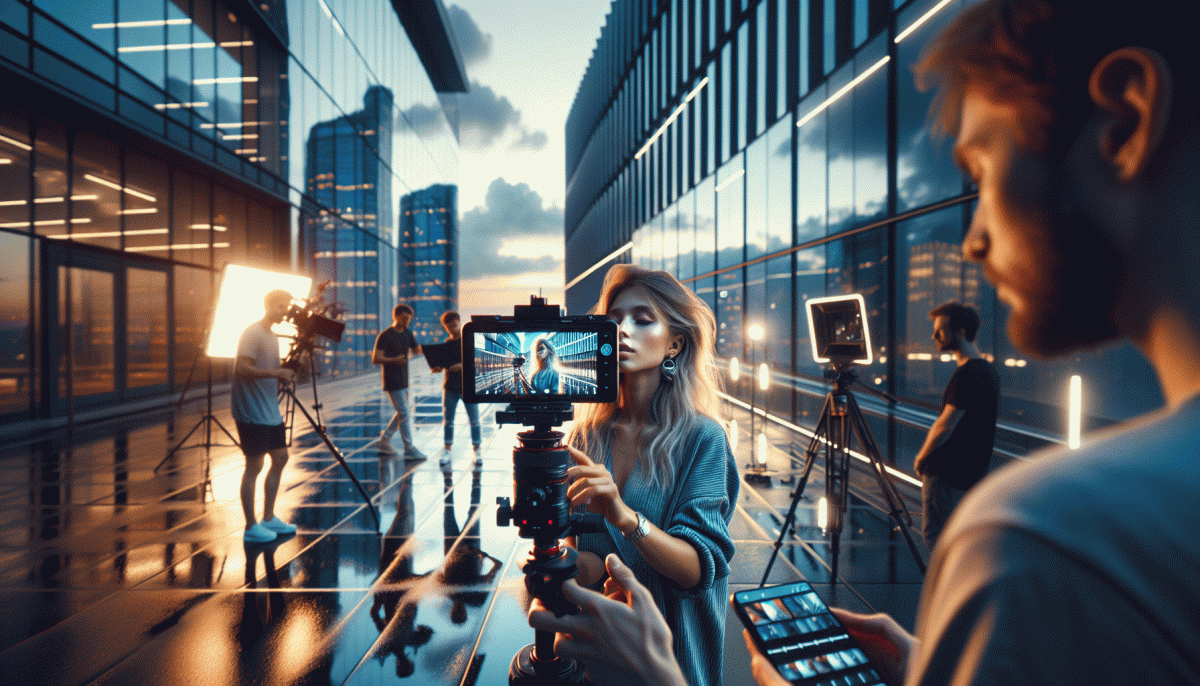
Visual Trends in 2026: What Actually Goes Viral on Social Platforms (and How to Ride the Wave)

Visual Trends 2026: What Actually Goes Viral on Social Platforms

Visual Trends in 2026: The Shockingly Simple Secrets Behind What Goes Viral on Social Platforms

Visual Trends in 2026: What Goes Viral on Social Platforms (and How to Hijack It)

Visual Trends in 2026: Viral Visual Hacks Social Platforms Cannot Resist