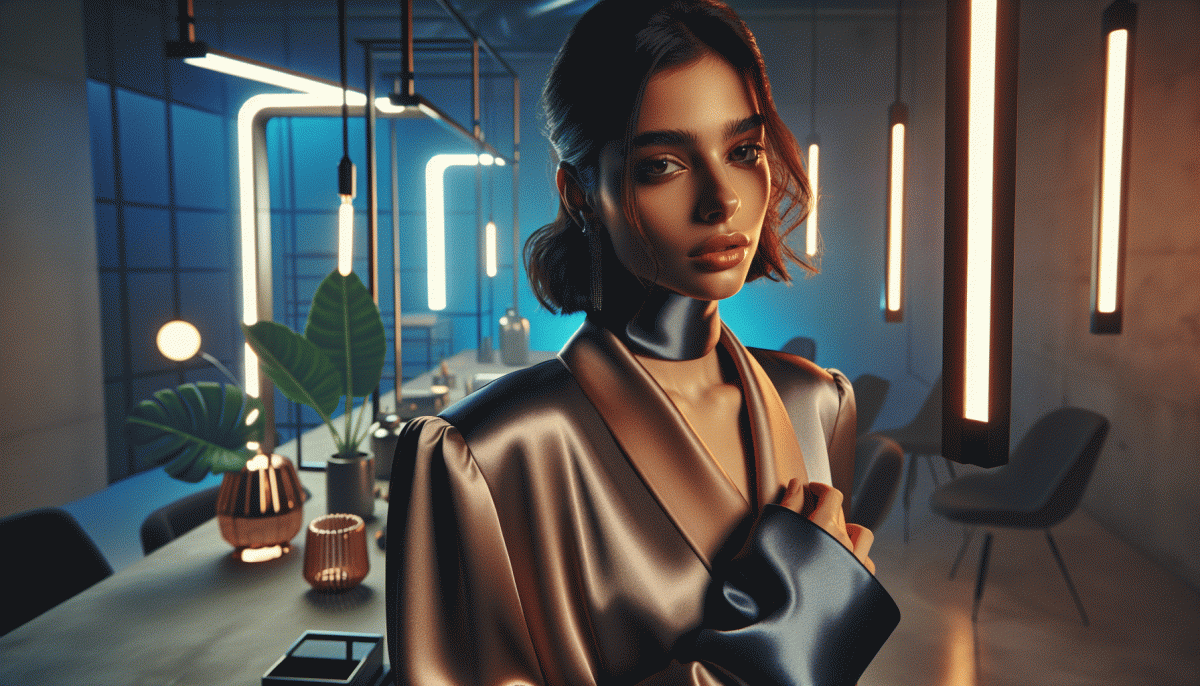
Visual Trends 2025: Steal These Viral Looks Before They Explode
The First 0.3 Seconds: Hooks That Stop Thumbs Cold
Attention works like a camera shutter: it snaps closed in roughly three tenths of a second. In practice that means the very first frame must earn permission to stay on screen. Think in micro moments rather than full scenes. Design your opener to answer the subconscious question every scroller asks in an instant: Why should I stop? If the answer is immediate and slightly surprising, the thumb will pause.
Use contrast, motion, and human presence as your primary levers. A slow pan with a sudden color pop, an offbeat angle that breaks symmetry, or a close up of a face with direct eye contact will outperform pretty backgrounds. Emphasize a single visual decision per opener: animate only one layer, crank saturation on one object, or crop to an impossible macro detail. Keep composition busy enough to be intriguing and simple enough to be legible at thumb size.
Sound and typography matter inside that 0.3 second window. A short percussive click, a breath, or silence where sound is expected can create a micro hook. Pair an instant, bold caption with kinetic type that arrives on beat. Start with an unresolved micro narrative line or a tiny mystery — a half revealed object, an interrupted action, a number that implies stakes. The brain loves to complete small puzzles, and that is permission to continue watching.
Make this actionable with rapid experiments: create three openers for the same clip and test first second retention, then iterate on the winner. Track the percent of views that reach 1s and 3s, not overall views alone. Over time these micro-optimizations compound; the best creators are not chasing one viral trick but training a muscle to stop thumbs cold every single time.
Lo Fi Authenticity vs Studio Shine: Which One Wins in 2025
2025 is not about picking a permanent side so much as picking the right mood for the moment. Lo Fi authenticity sells trust with grainy frames, candid angles, and captions that read like a DM from a friend. Studio shine sells aspiration with crisp lines, dramatic lighting, and pixel level polish that signals craftsmanship and care.
Go Lo Fi when you need immediacy: behind the scenes, unfiltered reviews, or community stories. Shoot on a phone, lean into natural light, add warm grain, and do not overproduce the cut. Use short, conversational captions and UGC shoots to amplify relatability while trimming production time and budget.
Choose Studio Shine for hero product shots, high stakes launches, or when premium positioning matters. Invest in consistent color grading, one signature lighting setup, and subtle retouching that preserves texture. A single iconic shot repeated across formats can build recognition faster than dozens of inconsistent images.
The smartest move is hybrid testing: run small split campaigns to see which aesthetic converts for each funnel stage, then scale the winner while keeping one cohesive brand thread. Ready to amplify reach while you test? get TT followers today
Kinetic Captions and Big Subtitles: Make Videos Silence Proof
Kinetic captions — the kind that move, punch and breathe — are the secret weapon for silence-first viewers. When people scroll with sound off, motion plus readable text turns a swipe into a stop. Treat captions like a second visual cast: bold entrance, clear hierarchy, and a tidy exit so the eye isn't confused.
Design rules that actually work: aim for the mobile equivalent of 40–60px legibility, pick high-contrast backdrops, and keep captions to 2–3 short lines. Let words arrive on rhythm (stagger on beats), animate only one property at a time, and avoid full-screen blocks that hide the subject. Always preview at thumb-size.
Tools and workflow hacks: auto-captions speed up drafts, but human-edit timing and punctuation. Use kinetic typography templates in Premiere or After Effects, or fast mobile apps like CapCut for quick iterations. Export burned-in subtitles for muted previews and keep SRTs for accessibility and search.
Quick checklist to deploy today: Trim: cut captions to essential words.
Align: place text so faces and logos remain visible.
Animate: pick one signature move — slide, scale, or reveal — and reuse it across posts for brand rhythm. Small moves, big stops.
AI Remixes, Duets, and Green Screen: Co Create at Speed
Move fast and invite others to finish the sentence. Start with a tiny, unmistakable hook—a two-second audio motif, a gesture, or a color wash—that AI can remix and that real people can duet. AI remixes turn one idea into many, duets create social threads, and green screen collapses location barriers; together they let teams co-create at velocity and scale.
Seed the signal: pick one clear idea and prepare an editable asset (separated audio or a keyed background).
Make it joinable: leave musical or visual gaps so collaborators can add personality.
Template the swap: supply a ready-made green-screen or caption file so replies do not start from zero. These small preparations shave hours off each iteration.
For viral rhythm, build for response. Drop a version that is intentionally incomplete, then spotlight the best duets to encourage more. Reuse AI to generate variant tempos, color grades, and voice timbres, then pin a stitched highlight to keep momentum. Credit remixers, highlight unexpected takes, and keep versions short and rewatchable to maximize loops.
Practice quick experiments: test one idea in the morning, iterate in the afternoon, promote a standout duet by evening. Track completions, shares, and followups rather than vanity plays. The real advantage is speed—tiny bets, fast feedback, remix widely, and the network will do the rest. Go make something that invites answers.
Color Stories That Click: Neon Gradients, Brutalist Blocks, and Cozy Film Grain
Color is the easiest personality you can give a brand or post—so treat it like a character, not a background. Neon gradients bring late-night city-glow energy: think magenta melting into electric cyan over soft type. Brutalist blocks are the opposite weapon—solid slabs of saturated or muted color that make composition and negative space do the talking. Film grain overlays and faded palettes add warmth and perceived authenticity, the kind of visual memory people want to save.
Mix them with intent: use neon gradients for CTAs and hero frames, brutalist blocks for navigation and posters, then soften edges with subtle grain on photos to humanize the vibe. Keep contrast readable on small screens and mind accessibility—high contrast for copy, tempered hues for long reads. Mind color temperature too: warm neons feel friendlier, cool neons read more tech-forward. Save palette variants so you can swap fast between neon-on-dark, block-on-light, and grain-over-photo.
Quick recipe hacks to experiment with today:
- Glow: Pair a left-to-right neon gradient with simple sans type for instant modernity and strong hierarchy.
- Block: Use three geometric color blocks to prioritize content—one for headline, one for visual, one for action—so eyes move predictably.
- Grain: Add 8–12% film grain and desaturate highlights to warm portraits without losing clarity; it ages perfectly and masks compression artifacts.
Test at scale: export thumbnails, story-sized frames, and a 9:16 motion loop to see how gradients and grain translate across formats. Brutalist blocks should still read when reduced; neon gradients mustn’t band in compressed video. Track engagement per palette, iterate every two weeks, and use CSS variables or quick asset swaps to roll changes out without a full redesign.
Think of these color stories as tools—mix boldness with restraint, let grain be the glue that makes everything feel lived-in, and be unapologetic: if a combo grabs, amplify it. Steal the principles, not the pixels, then tweak until your feed is bookmarked and your posts get talked about.
Read also
Visual Trends in 2026: Steal the Viral Formula Social Feeds Crave
Visual Trends in 2026: Viral Visual Hacks Social Platforms Cannot Resist

What Works Best on Instagram in 2026? Steal these breakout tactics before they get saturated
Visual Trends in 2026: The Scroll-Stopping Looks Everyone Will Copy by Friday
Visual Trends in 2026: 11 Viral Triggers Social Platforms Cannot Resist