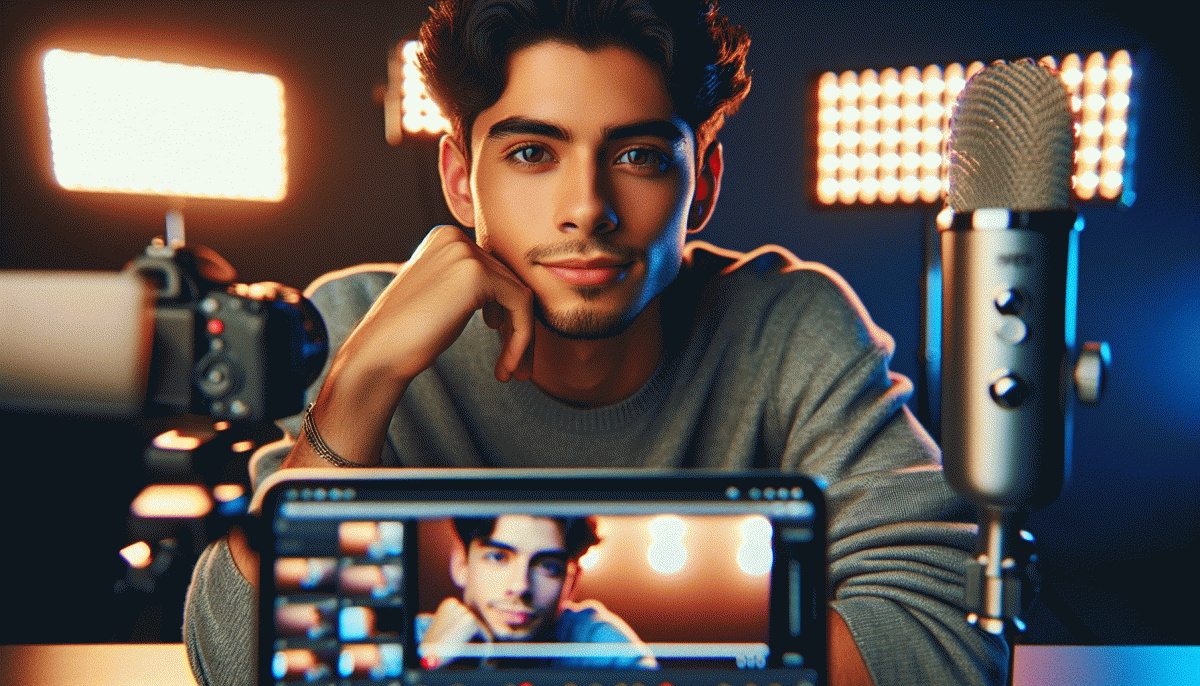
The One Thing That Drives Clicks on YouTube (No, It's Not the Algorithm)
Spoiler: It's Your Thumbnail - Here's Why Brains Can't Resist It
The brain is a hyper-efficient scanner. When a viewer skims a feed, low level visual cues win before logic gets a say. Big contrasts, a clear face, directional gaze, and a bold color pop immediately. Those tiny wins turn a passerby into a click, because sight is faster than thought and thumbnails speak in that fast language.
Beyond raw salience there are psychological levers at work. Faces trigger empathy, open mouths or wide eyes signal urgency, and a visible object or tool promises utility. A tiny curiosity gap created by a provocative image plus a short word cue makes the viewer want to resolve uncertainty. In short, design that catches the eye and teases the brain will consistently beat clever descriptions that require slow reading.
Make this actionable: use a large, expressive face or a clear subject that occupies 30 to 60 percent of the frame; boost contrast and saturation so the image still reads on mobile; add 3 to 4 words of ultra bold text for context; keep backgrounds simple and remove clutter. Follow the rule of thirds to place the focal point and use color contrast between text and background to maximize legibility at tiny sizes.
Do not treat thumbnails as static art. Create three strong variants and rotate them. Track impressions to click rate and compare watch time after clicks. A higher CTR that yields low average view duration signals a mismatch; tweak the promise or the first 15 seconds of the video. Real growth is the combination of clicks and retention.
Try a 30 minute thumbnail sprint: pick a hero frame, crop tight, punch colors, overlay short bold text, export at 1280x720, preview at 25 percent, upload, and monitor CTR for a week. Iterate until your thumbnails stop being ignorable and start doing the heavy lifting for your channel.
The 3-Second Test: Would You Tap This or Keep Scrolling?
Three seconds is where attention decides: that tiny thumbnail and a three-word title either win your viewer or send them scrolling into the void. When your image is cluttered, text is too small, or the subject lacks emotion, people swipe before the brain finishes processing. Think big shapes, bright contrast and one obvious focal point — a face making a readable expression or a bold object framed clearly against a clean background.
Don't overcomplicate: test your shot in-feed on a phone. Shrink the video preview to thumbnail size and ask, "Would I tap this?" If you hesitate, it fails. Use high-contrast colors, 2–3 words max in oversized type, and avoid tiny logos or crowded scenes. Curiosity beats confusion: hint at a payoff without lying. Faces + emotion + a readable promise perform reliably across niches.
Make this a ritual before every upload. Run three quick variants — different crop, brighter exposure, and text-on vs text-off — then pick the one that stands out at arm's length. Track click-through rate over the first 48 hours; tiny CTR bumps compound into real views. If you can't A/B formally, ask five strangers to choose the one they'd tap first; their instinct is your best metric.
Mastering the first impression is low-budget, high-impact marketing: better thumbnails and microcopy win the war for attention far more often than tricks under-the-hood. Treat the three-second test like a preflight checklist — quick, repeatable, ruthless — and you'll stop hoping the algorithm notices and start making viewers stop scrolling.
Color, Faces, and Arrows: Design Tricks That Steal Attention
Think of your thumbnail as a tiny billboard in a scrolling storm: color is the flasher that stops thumbs. Choose one dominant, high‑contrast hue against a neutral backdrop—bright cyan, hot pink, or warning yellow—and use a consistent accent across your uploads so viewers start to recognize your visual fingerprint. Avoid subtle gradients and thin borders that vanish on mobile; bold, flat color wins at 200px wide.
Faces are the emotional shortcuts of the feed. A close crop that emphasizes eyes and mouth reads faster than a full-body scene—aim for the rule of thirds so the gaze meets the viewer. Drop sunglasses, push up contrast around the eyes, and add a thin outline or vignette so the face separates from busy backgrounds. Expression matters: curiosity, shock, and joy are high-CTR drivers.
Visual cues like arrows, lines, and pointing fingers act as traffic directors for attention. Use a single, chunky arrow or a clear pointing gesture aimed at your focal text or product. Keep arrows simple, high-contrast, and aligned with the face gaze; too many cues create visual noise and dilute the intent. No motion blur tricks—clarity beats cleverness every time.
- Contrast: Two core colors max—one subject, one accent—so your thumbnail reads on tiny screens.
- Emotion: Tight crop + exaggerated expression = immediate connection.
- Direction: One clear arrow or gaze line focuses where you want the click to land.
Make this repeatable: A/B one variable per test (color, crop, or arrow), run until you hit a reasonable sample, then keep the winner and iterate weekly. Track CTR, not just views—small visual lifts compound into big traffic gains when you treat design as an experiment, not art.
Title + Thumbnail = Click Magnet: Pairings That Outperform
Think of title and thumbnail as a single billboard that argues, flirts, and ultimately decides whether a stranger taps. When they align the brain does three things fast: recognize the promise, feel a spark of curiosity, and sense clarity about the reward. That quick combo is the real nudge that turns a scroll into a click.
Use pairing patterns that make that trio work. For example, a clear benefit title paired with a human closeup boosts trust; a cryptic title paired with a symbolic thumbnail sparks curiosity; a how to promise paired with a numbered visual delivers clarity and urgency. The trick is to treat title and image as one message, not two separate bets.
Run fast, low cost experiments: change one element at a time, keep titles scannable, and measure click through rate together with early retention. If clicks climb but watch time collapses, your pair is misleading and needs revision. Small, deliberate tweaks to phrasing, color contrast, or the face in the frame often yield outsized gains.
Quick checklist to steal: Clarity: does the thumbnail match the title?
Curiosity: is there a clean hook without deception?
Contrast: is the image legible on mobile? Pair right and you will convert casual scrollers into viewers far more reliably than chasing any supposed algorithm secret.
Swipe File: Real Before/After Thumbnails That Boost CTR
Think of this file as your thumbnail laboratory: pairs that show a clear change, a promise fulfilled, and a click that loves contrast. Real before/after shots beat polished mystery because they trade curiosity for concrete transformation. When a thumbnail says visually what the title might take 10 seconds to explain, CTR spikes. Keep it human, raw, and slightly exaggerated.
Elements that work: a tight close up versus the wider scene, a cluttered room turned minimal, a sad face next to a grin, messy plate versus chef level. Use a single bold word hook in caps, a bright accent color against a muted background, and a subtle arrow or frame to guide the eye. Test one variable at a time so you know which change made the lift.
Try this simple formula: One Subject + One Change + One Promise. Example: Headshot (before) + glow up (after) + text 30s Fix = speed promise. Another: dirty desk + pristine desk + Work Hack for productivity. Make the before image believable and the after aspirational. Export both at the same crop and size so YouTube does not favor one for framing reasons.
Save every winning pair into folders labeled by effect: emotion, utility, humor. When in doubt, run a small experiment with 20 viewers and two thumbnails to get a direction. Over time you will have a catalog of micro formulas to swipe from. Want a ready template? Start with the formula above and remix the color and expression until clicks stop being mysterious and start being repeatable.
Read also

The One Thing That Drives Clicks on YouTube (No, Not the Algorithm)

The One Thing That Drives Clicks on YouTube (Spoiler: It's Not Your Video)
The One Thing That Drives Clicks on YouTube (You're Probably Ignoring It)

The One Thing That Drives Clicks on YouTube (Hint: Your Thumbnail Rules the Game)

The One Thing That Drives Clicks on LinkedIn (You're Probably Ignoring It)