
The One Thing That Drives Clicks on YouTube (And Why You're Overlooking It)
Your Thumbnail Is YouTube's Billboard—Make It Scream
Think of your thumbnail as the roadside billboard for a three-second commute: people decide in a blink. If your image doesn't pop, they keep scrolling. Make the subject large, use high contrast, and add bold, readable text. Those three moves win attention on crowded feeds.
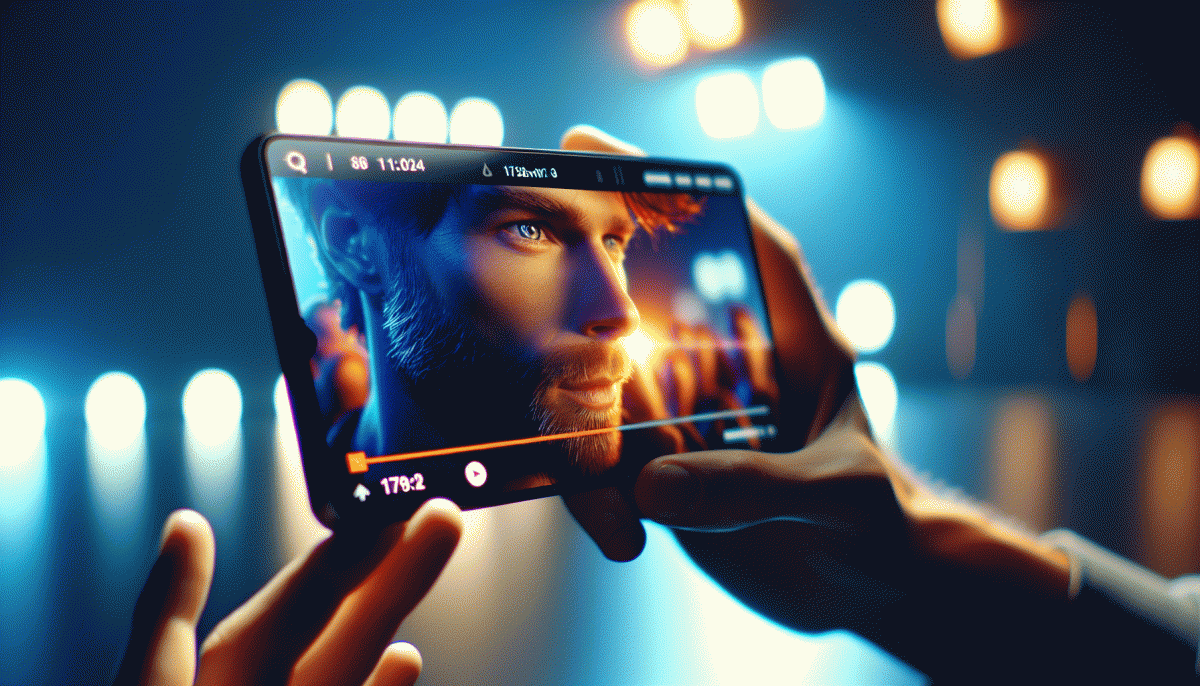
Faces sell. A close-up with eye contact or an exaggerated expression creates emotion instantly; pair it with a clear focal point so viewers know what they're getting. Leave negative space for text and use saturation plus complementary colors to separate subject from background.
Keep on-screen copy to two or three words max. Use thick, sans-serif type, stroked or shadowed so it stays legible on mobile. Pick a small palette and a consistent template so your thumbnails become an instant visual cue for your channel.
Test like a scientist: make three variations and change one element at a time (text, color, face) while you watch CTR in YouTube Studio. Rotate winners into evergreen videos and batch-create thumbnails for series. Small experiments add up to measurable lifts in clicks.
Don't bait-and-switch — promise what the video delivers. Treat thumbnail work like paid ads: spend 10–20 minutes per creative, save templates, and refine with data. That combo of craft + measurement is what turns impressions into real views.
The Curiosity Gap: Tease the Payoff, Don't Tell the Story
There's a tiny psychological lever that makes people click: the mind hates unfinished stories. Instead of handing viewers the whole plot in your title and thumbnail, give them just enough of a promise to spark a small, uncomfortable question. That tiny itch—the curiosity gap—pushes someone to tap. The trick is to tease the payoff, not narrate it; you want them to feel they'll regret not knowing, but not so annoyed they call you a liar.
Practically, craft titles that hint at transformation and thumbnails that show a result without context. Use specific numbers or timeframes to sell credibility (“3 hacks in 90 seconds”), then pair that with an image that prompts a question. Open loops work best when you promise a precise benefit and then lock it behind the watch button—don't solve the puzzle in the preview. And always deliver within the first 30–60 seconds so the curiosity pays off.
- Promise: State the exact benefit (fast, measurable, unexpected).
- Tease: Show a result but hide the method so viewers must watch.
- Deliver: Resolve the open loop quickly to build trust and retention.
Use this mini-formula: Hook (what they'll gain) + Gap (what's missing) + Proof (a concrete tease). A/B test tiny variations—move a word, swap an image—until the click rate climbs. Remember: curiosity is not a license to deceive. Tease enough to click, then give the satisfying payoff that turns first-time clickers into subscribers.
Color, Contrast, and Close-Ups: The 3 C's of Scroll-Stopping Design
When a clip is competing against a thousand others, the brain uses three fast rules to decide where to look. Bright color hits the retina, contrast announces the subject, and a close up delivers emotion in one glance. Treat these as design shortcuts: they do the heavy lifting so the thumbnail can do what matters most, which is to make people stop scrolling and click.
Color is your first visual megaphone. Choose one dominant hue and one accent, push saturation to make the image pop on mobile, and pick tones that separate skin and background. Avoid muted palettes that blend into YouTube’s UI. A quick test: create two thumbnails, one with low saturation and one with punchy color, and see which collects the first click. The results will often surprise you.
Contrast and close ups work as a pair. High contrast between subject and backdrop keeps details legible when thumbnails are tiny. A tight crop on a face sells immediate intent and emotion, and eye contact or a clear expression increases perceived relevance. Practical move: crop so the eyes sit in the top third of the frame and remove busy elements behind the subject to preserve a crisp silhouette.
Actionable recipe: pick a bold background color, isolate the subject with a rim light or contrasting drop, and crop for a strong facial close up. Batch create three variants using those rules, run a short test, and iterate on the winner. Small visual rules like this scale across series and thumbnails, turning a tiny design habit into measurable extra clicks.
5-Second Blink Test: Would You Click It at 20% Size?
Imagine your thumbnail shrunk to the size of a thumbnail in a crowded grid and you have exactly five seconds before a thumb scrolls past. The blink test isn't about beauty contests — it's about clarity. If your core message, face, or action disappears at 20% scale, you're leaking clicks faster than you can edit captions.
Design for the smallest view: choose one focal element, boost contrast, and ditch tiny copy. Big, expressive faces win when they read instantly; bold colors and a simple silhouette carry across devices. Think in shapes, not sentences — a single emotion or silhouette communicates in a heartbeat.
Be ruthless with clutter. Remove background noise, increase padding, and make sure any text is readable at a glance: three words or fewer, high-contrast strokes, and heavy type. Use the rule of thirds to place the eye where the action is, not where the logo is. Also test on real devices — desktop previews lie.
Want a fast way to validate? Create two tiny versions, post both as unlisted previews, and check which pulls a higher CTR in the first 48 hours. If you need faster signals to iterate, try buy YouTube views to kickstart reach while you optimize thumbnails and metadata.
At the end of the day, thumbnails don't need to be clever — they need to be obvious. Pass the 5-second blink test and your video gets a chance to prove its quality inside YouTube's algorithms. Design small first; glory will follow big.
A/B Like a Pro: The Simple Workflow That Doubles CTR
Stop guessing—A/B testing thumbnails and titles is the closest thing to a cheat code for CTR. The trick isn't running random duels; it's a tight, repeatable workflow that surfaces real winners fast so you can scale what works and kill what doesn't without emotional attachment.
Start small and simple: pick one variable, craft two clear variants, and send them into battle. A practical variant set looks like this:
- Face: Close-up with strong emotion to build curiosity.
- Text: Short, punchy overlay that promises a clear benefit.
- Color: High-contrast background or brand accent that pops in the grid.
Keep your test window tight—24–72 hours or until you hit a statistically meaningful sample—and declare a winner when CTR is sustainably higher (I use +10% as a sanity check). Track views, impressions, and CTR in a simple sheet so every decision is backed by numbers rather than vibes.
When one variant wins, iterate: combine winning thumbnail elements with the winning title, then rerun. Rinse and repeat until clicks plateau, then shift to optimizing watchtime. Do this and your thumbnails won't just beg for clicks—they'll earn them.
Read also

The One Thing That Drives Clicks on YouTube (Spoiler: It's Not Your Video)
The One Thing That Drives Clicks on YouTube (You're Probably Ignoring It)

The One Thing That Drives Clicks on YouTube (No, Not the Algorithm)

The One Thing That Drives Clicks on YouTube (Hint: Your Thumbnail Rules the Game)

The One Thing That Drives Clicks on LinkedIn (You're Probably Ignoring It)