
The One Thing That Drives Clicks on YouTube (And No, It's Not Your Video)
The 0.5-Second Rule: Win the Scroll With a Story-in-a-Snapshot
You get roughly 0.5 seconds—an eyeblink—before a feed decides. That half second is the moment a brain either files your thumbnail as interesting or scrolls past. In that sliver the image must deliver a complete micro story: who is here, what is happening, and why it matters right now. If that narrative is clear, the play button wins.
Build that micro story with one bold subject, intense eye contact or a clear action, and minimal context. Use a close up crop so faces fill the thumb, choose an expressive emotion that hints at consequence, and add large, three to four word text that amplifies the mystery. Keep fonts chunky, spacing generous, and avoid background clutter that competes for attention.
Color and contrast are secret weapons. Pick a single accent hue that pops against the platform feed, use outlines or drop shadows to separate subject from similar tones, and rely on high contrast to preserve detail on tiny screens. Composition matters too: tight framing, slight angles, and negative space for text create instant readability and imply motion or tension.
Make this process repeatable. Create three thumbnail templates and change one variable at a time—face, headline, or color—and track which swap moves the CTR needle. If formal experiments are not available, rotate variants across uploads to see trends. Over weeks this data teaches what visual shorthand your audience responds to without guessing.
Quick checklist to run in under a minute: one clear subject; eyes or action that ask a question; bold readable overlay; high contrast and a single pop color. Treat the thumbnail like a story trailer and craft it so the viewer already feels a beat of curiosity in that half second. That micro story starts the click.
Face + Feeling + Contrast: The Thumbnail Trifecta That Spikes CTR
Thumbnails get a fraction of a second to convince someone to click, so you need a signal that's unmistakable: a human face with an obvious emotion on a high-contrast canvas. Faces attract the eye instantly; emotion tells a story; contrast separates your frame from the sea of thumbnails. When those three things line up, your CTR jumps because viewers can read intent at a glance.
Face: crop tight — eyes and mouth should be readable at 200px width. Use an expressive, amplified expression (shock, joy, disgust) rather than a neutral look. Slightly turned heads and direct eye contact both work depending on your niche; test both. Clean skin tones and subtle sharpening help faces pop without looking fake.
Feeling: pick one clear emotion and double down. Add microcopy (2–3 words) that amplifies the emotion — not a sentence. Props and body language can support the feeling but don't clutter; less is more. Authenticity beats forced poses, so exaggerate naturally.
Contrast: separate subject from background with color, light, or a thin stroke. Use complementary colors or a bright accent to create a focal point. Boost local brightness around the face, darken the background, and keep text high-contrast and legible. Lastly, A/B test two combos — small tweaks yield big CTR lifts. Make your thumbnail scream 'tap me' without saying a word.
Say Less, Promise More: Title-Thumbnail Combos That Create Curiosity
Want people to click without begging for attention? Trim the title until it teases a promise, then let the thumbnail finish the sentence. Short titles act like a headline whisper: they suggest a payoff without explaining how it happens, and that tiny gap — the curiosity gap — turns a scroller into a clicker.
Use micro-promises, not full stories. Try a two-word hook plus an implication: "I Fixed It" (now show the broken thing), "One Trick" (now hint the result), or "Stop Doing This" (now show the pain). Pair that with a thumbnail that answers one question but raises two; a partial reveal creates urgency and makes the viewer feel like they’ll miss something if they don’t tap.
The visual should be ridiculously simple: one human face with an intense expression, one oversized prop, and clean negative space where a tiny title can live. Contrast colors, a single bold word in the title (like WHY or STOP), and a slight misdirection in composition make people pause mid-scroll. Keep the title under ~35 characters so the combo reads at a glance and the curiosity gap stays intact.
Don’t guess — test. Swap thumbnails, tighten titles, and chase CTR not vanity views. If you want a quick place to explore what works for YouTube growth, check the instant YouTube growth boost section, then iterate: small shifts in phrasing and expression often double clicks.
Tiny Screen, Huge Impact: Design Choices That Pop on Mobile
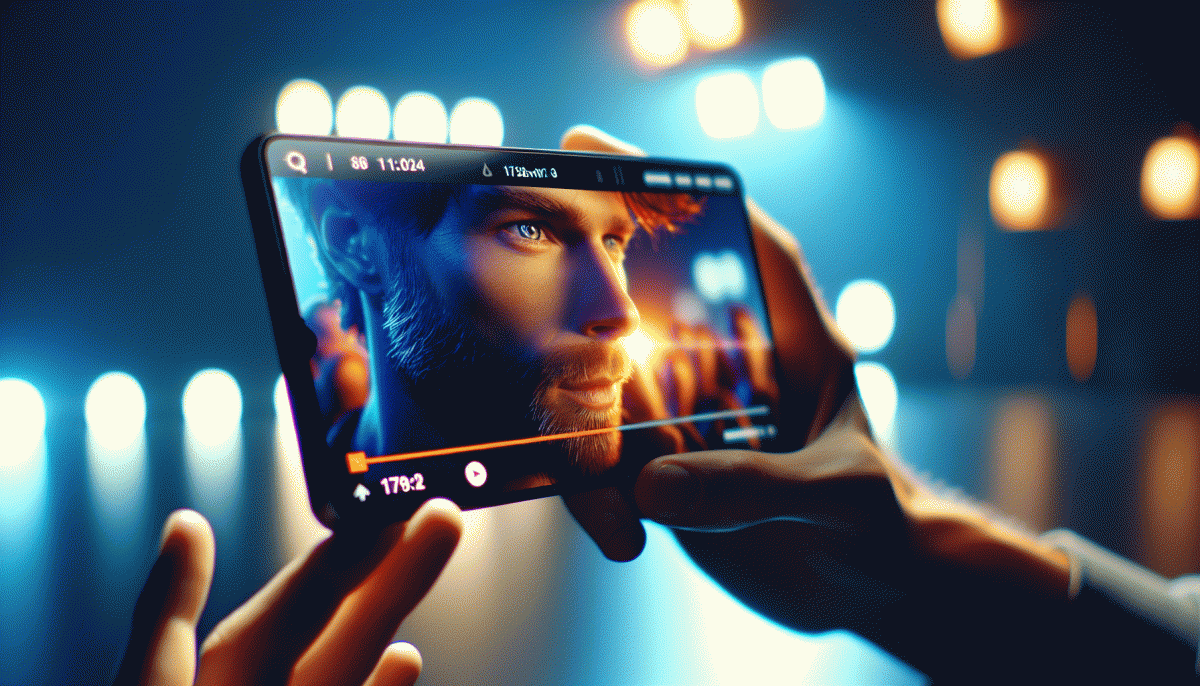
Mobile screens are tiny real estate and attention is measured in milliseconds. Treat a thumbnail like a billboard for a thumb: bold, clear, and impossible to ignore. The visual needs to promise value instantly so a passerby stops scrolling. If the preview reads as cluttered or vague at thumb size, it will lose the battle for that click.
Start with Contrast and Readability. High contrast color pairs, large sans serif type, and a heavy outline or drop shadow make text legible on older devices. Keep on image no more than three to four words; short headlines beat clever puzzles on tiny screens. Make the subject scale up so faces or objects are unmistakable even at a glance.
Design with the crop in mind. Many apps center crop thumbnails or display them in tight frames, so keep critical elements inside safe margins and avoid placing text or faces on edges. Simplify backgrounds, amplify subject separation, and use a tight crop to emphasize emotion or action. Always preview at real pixel sizes before you hit publish.
Turn design into a repeatable process: two template variations, one brand accent swap, and a headline tweak is enough for a valid A/B. Use click through and watch time to choose winners, then iterate. Small, mobile first visual wins compound quickly and are the practical way to earn more clicks without changing the video itself.
Test Like a Pro: Simple A/B Routines to Find Your Click Magnet
Stop guessing and get surgical: decide one thing to test, make a control and one variant, then send them into the wild. For click-hunting focus on the thumbnail first — it's literally the gatekeeper that tells a viewer what to expect. Keep everything else identical, run the experiment until you reach a practical stopping point (time or impressions), and treat the outcome as your guide, not gospel.
Choose testable hypotheses: brighter color vs muted, face close-up vs context shot, bold text overlay vs none, short punchy title wording vs descriptive. Change only one variable at a time so you know what moved the needle. Measure both CTR and early view velocity (first 24–72 hours) plus initial retention — CTR grabs the click, retention tells you if the thumbnail kept its promise.
Set simple rules so tests stay clean: run for at least 48 hours or about 1,000 impressions, whichever comes first; ignore tiny-sample flukes; consider a 10–15% CTR lift a meaningful win worth rolling out. If possible, amplify variants evenly with promos or pinned posts to avoid bias from timing or audience pockets. Document failures as well as wins — they're cheap lessons.
Log every result in a tiny spreadsheet — hypothesis, variant, impressions, CTR, watch-time, and follow-up action — and iterate fast. Repeat the cycle weekly and you'll build a library of click-magnets tailored to your channel. Be a scientist, not a gambler: disciplined micro-tests compound into big, predictable increases in clicks, and you won't have to trust luck anymore.
Read also

The One Thing That Drives Clicks on YouTube (Spoiler: It's Not Your Video)

The One Thing That Drives Clicks on YouTube (Hint: Your Thumbnail Rules the Game)
The One Thing That Drives Clicks on YouTube (You're Probably Ignoring It)

The One Thing That Drives Clicks on YouTube (No, Not the Algorithm)

The One Thing That Drives Clicks on LinkedIn (You're Probably Ignoring It)