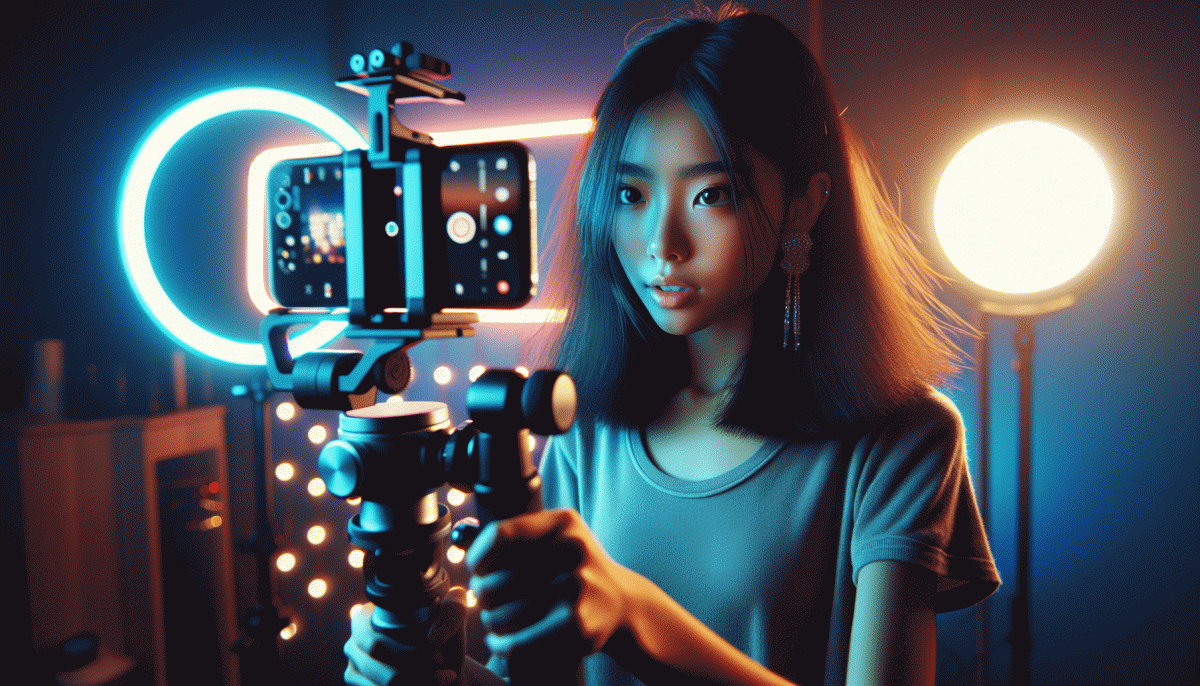
Stop Scrolling: What Actually Works on TikTok in 2025 (Steal These Wins!)
The Algorithm Love Language: Watch Time, Velocity, and the First 3 Seconds
The TikTok engine is less about viral magic and more about three signals working together: the tiny cliffhanger you build in the opening frames, how long people stick around, and whether that interest spikes fast. Nail the first three seconds and you decide if someone scrolls past; boost average watch time and the platform sees relevance; create velocity with quick early engagement and the system starts pushing.
Practical moves: open on motion plus a bold caption or sound in the first 0.3–1 second, promise something useful or funny, then deliver in tight beats so viewers never get bored. Make endings loop-friendly (finish where you began or drop a twist) to convert rewatches into watch-time gold. Choose audio that matches the beat and trim any pause that could cost retention.
- Hook: Start with an unexpected visual or line in 0.3–1s so thumbs halt.
- Loop: End on a return point or tease that makes people replay.
- Velocity: Share early — post to Stories, pin a comment, and prompt shares to accelerate initial view spikes.
Measure retention graphs more than vanity views, A B test three-second openers, and double down on formats that gain early spikes. Iterate quickly: small timing tweaks often move metrics more than bigger production, and once the machine learns your clips hold attention, it will start feeding you the reach that actually stops scrolling.
Hooks That Hit: 7 Openers That Double Your Retention
Stop wasting those first painful milliseconds. The difference between a swipe and a stare is often one smart opener delivered with confidence and clarity. Think of the first two seconds as the pitch for your entire video: promise a payoff, spark curiosity, and make the viewer feel like they cannot afford to miss what comes next.
Use these seven proven openers as templates rather than scripts: Curiosity Gap: tease a surprising fact and leave a cliffhanger; Shock Stat: hit them with a number they did not expect; Mini Demo: show the result instantly, then explain; Before/After: present the pain then flash the fix; Pattern Interrupt: break a rhythm with an odd sound or motion; Relatable Problem: mirror a tiny everyday frustration; Reverse Psychology: tell them not to do something and make them want to prove you wrong. Each one doubles retention when matched to the right audience and delivered with urgency.
Execution matters more than creativity alone. Start tight, cut any setup under three seconds, pair the opener with a matching visual cue and caption, and use an audio hit to seal attention. Keep the camera framing bold, the motion purposeful, and the edit rhythm punchy. If your opener promises a payoff, honor it within the first 10 seconds to avoid drop off.
Test fast: roll each opener across three similar posts, measure first 6 seconds retention, and double down on winners. Small tweaks to wording, angle, or thumbnail can flip a weak hook into a scroll stopper. Try these templates this week, iterate, and claim back lost views.
Edit Like a Pro: Cuts, Captions, and Sounds That Spark the FYP
Cut with intention, not habit. Start by treating every second like premium real estate: lead with a visual hook in the first 1.2 seconds, then keep shots tight and energetic. Aim for clip lengths between 0.8 and 2.5 seconds for most scenes so the brain can breathe but still chase the jump cut dopamine. Match cuts to musical transients or voice syllables for effortless rhythm and fewer awkward pauses.
Captions are the new costume design. Use bold, verb first lines and break captions into beats that arrive as the edit hits key frames. Make text large, high contrast, and inside the safe area so it is readable on small screens. Include a quick action line like Try this or Watch until the end to nudge rewatch behavior, and always burn captions on screen rather than relying on auto captions alone.
Sound is the invisible edit. Pick a trending sound then remix it: cut it, reverse a bar, or layer a percussive hit to create a signature hook that invites reuse. Use subtle SFX to punctuate transitions and duck background music under voice with an L cut so audio leads or lingers naturally. When possible, sync a tempo change to a visual reveal for that satisfying click that makes viewers pause and replay.
Ship edits fast and test surgically. Try two versions differing only by pacing, then compare watch time and rewatches. Quick checklist to copy: hook 1.2s, average clip 1.5s, captions on screen, music transformed, total length under 30s for maximum discoverability. Edit like you are writing with scissors: precise, bold, and a little bit reckless.
Post Timing and Frequency: The 80/20 Schedule That Will Not Burn You Out
Think of the 80/20 schedule as the content version of meal-prep: do most of the heavy lifting once, then snack smart all week. Spend roughly 80% of your creative energy on "anchor" posts — the durable, high-edit, high-replay videos that define your voice — and use the remaining 20% on quick, topical drops that chase trends, stitch conversations, and harvest spikes. Practically, that looks like 3–4 anchor videos a week and 6–10 bite-sized posts or replies spread across the same period so you keep momentum without burning out.
Timing matters more than you think: pick two predictable posting windows (for most niches that’s late morning and prime evening), then let micro-posts slide into off-peak moments. Schedule anchors for your strongest window and sprinkle the lighter stuff when you can genuinely react. If you want a fast way to organize this without guessing, check the TT boosting site for calendar-friendly templates and sensible bundles that won’t make you re-invent the wheel every week.
- Anchor: Big, edited piece that you re-cut into clips — drives follows and saves.
- Spray: Quick takes, trends, or POVs recorded in one take — volume + variety.
- Reply: Comments, stitches, or duets — tiny effort, big engagement lift.
To avoid burn-out: batch record anchors, repurpose each into 3–5 micro assets, and set two non-negotiable “off” days. Learn one metric a week (views, watch time, or saves) and optimize it; if performance dips, cut frequency and double down on repurposing. The sweet spot isn’t posting more, it’s posting smarter — consistent anchors with playful scattershot energy win in 2025.
From Views to Sales: CTAs, Link in Bio Funnels, and UGC That Converts
Views are only currency until you ask people to do something with them. The trick is to turn passive watching into one tiny, obvious action: tap, save, swipe up, or click the bio. Treat every video like a funnel stage — hook curiosity, make the action frictionless, then reward the click with a fast win.
Use a single, bold CTA and test it. Swap long CTAs for micro-commitments: "Tap to shop," "Save for size tips," or "Tell us in comments." Put the CTA in the first three seconds and in the caption. If you can only ask for one thing, make it measurable and trackable.
- Hook: Lead with the outcome, not the product — five seconds to show the "after."
- Offer: Make the ask concrete and low-friction — discount code, link to pre-filled cart, or a DM shortcut.
- Socialproof: Show real user wins quickly — one line quote or real footage beats studio polish.
For Link In Bio funnels, simplify: one landing page with prioritized CTAs, a fast product link that pre-fills variant and quantity, and UTM tags for each creative. If multiple audiences matter, create two micro-landing pages rather than burying everything behind a mega-menu. Speed and clarity beat cleverness.
Make UGC the engine: brief creators with desired hook, replaceable frames, and a clear CTA. Incentivize short testimonial formats and hand them back as repostable ads for retargeting. Run a two-week test: 3 creator videos + 1 landing tweak + tracked CTA = clear lift or a lesson. Iterate.
Read also
What Works Best on TikTok in 2026? We Tried It All—Here’s What Actually Blows Up

Steal These Instagram 2026 Secrets: What Works Now (and What to Ditch)
Stop Scrolling: The Hooks That Actually Work in 2026 (Steal These!)

What’s Actually Working on Instagram in 2026? Steal These Proven Plays Before Your Rivals Do

Stop the Scroll: The Hooks That Actually Work in 2026 (Steal These!)
