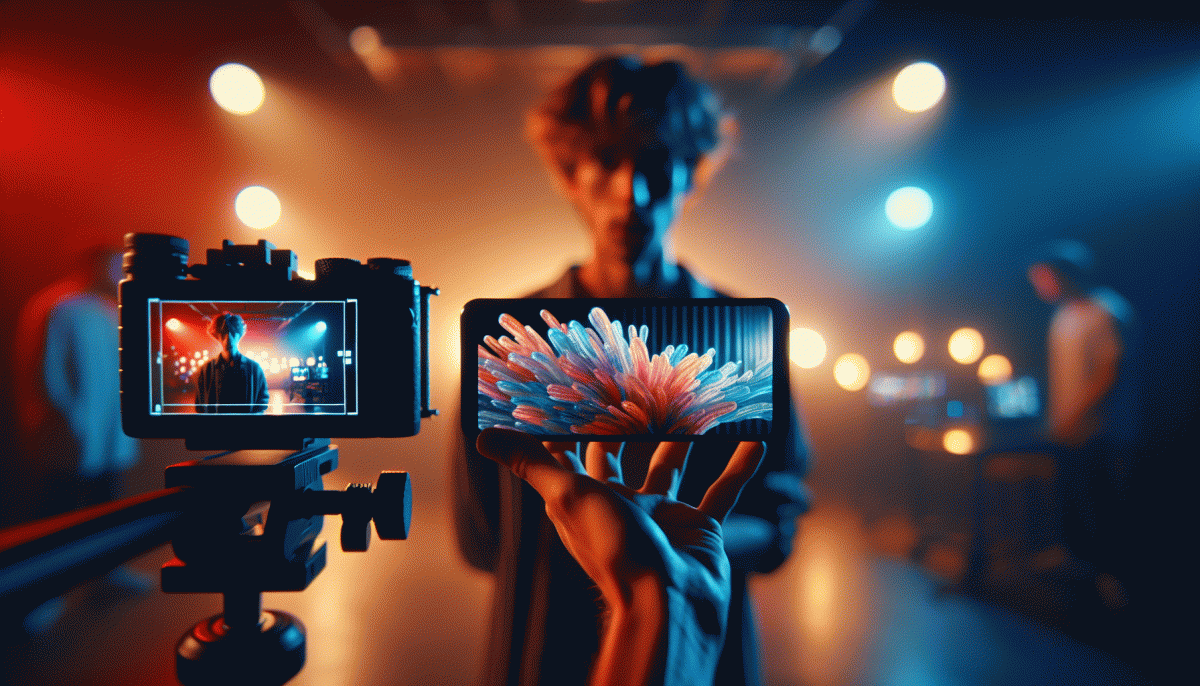
Stop Scrolling: The Creative Format That Absolutely Crushes Engagement on TikTok
The 7-Second Hook Showdown: Micro Cuts vs. Mini Stories
This is the 7-second laboratory where attention decides your fate. Micro cuts are strobe-fast edits that land a punch in frame one; mini stories are tiny three-act plays that pull viewers through curiosity and emotional payoff. Both win attention, but in different ways.
Use micro cuts when your point is visual and immediate: product detail, transformation, reaction. Keep each shot 0.5–1.2 seconds, match cuts to beats in the audio, and end on a high-impact visual so the brain wants to replay the clip.
Use mini stories when you need context to convert: quick setup, conflict, payoff. Lead with a relatable micro-problem, compress time with on-screen captions, and deliver a small satisfying twist by second six so users reward you with a swipe or a follow.
Pick based on goal: awareness favors micro cuts for scannability; trust and saves favor mini stories for meaning. Run 3-variant tests per creative: two micro cuts, one mini story, then scale the winner but keep the losing lessons for future hooks.
- Tease: Start with a visual or line that raises a question in the first 0.5 seconds.
- Pace: Match shot length to energy; fast for frictionless snacks, slower for emotional pulls.
- Test: Iterate with different openers and keep the metric simple: playthroughs and follows.
Face Time vs. Aesthetic B-Roll: Which One Stops the Thumb?
If your goal is to stop thumbs, it's not a binary choice — it's about context and timing. Face time (talking head) grabs attention when authenticity or a quick hook matters: look into the camera, start with a one-line shocker, and don't waste a beat. Close-ups of eyes and mouth move attention; captions and subtitles make face-friendly content scannable.
Aesthetic B-roll wins when mood, product detail, or escapism is the sell. Slow pans, tactile close-ups, and a cinematic color palette let viewers linger and imagine. Use B-roll to show texture, scale, or before/after magic — but keep edits tight. Pretty footage needs rhythm and a purpose; otherwise it's nice wallpaper, not a thumb stop.
Blend them like a pro: open with 1–3 seconds of face time for the hook, switch to 4–8 seconds of B-roll to prove the promise, then cut back to the face for the CTA. Treat the face as the human anchor and B-roll as the emotional amplifier. Sync cuts to audio beats and you'll keep momentum instead of losing it.
Quick wins you can use today: Hook faster: lead with a single surprising line; Show, don't tell: let B-roll demonstrate benefits; End with intent: a clear visual CTA. For plug-and-play boosts and creative templates, check best smm panel — then experiment, iterate, repeat.
Captions, Text, or Clean? The Overlay Style Viewers Actually Prefer
Your audience is usually scrolling with the sound off, so on-screen words aren't decorative — they're survival gear. Viewers favor overlays that do the heavy lifting: quick context, punchline delivery, and a readable guide when the video plays without audio.
When choosing between captions, blocks of text, or a clean aesthetic, err on readable simplicity. Use clear captions that summarize spoken lines, keep each line under 35 characters, and anchor important words with bold or short color bars so they pop at a glance.
Timing is everything: reveal one idea at a time and leave it on-screen long enough to read twice. Match the text cuts to beats or mouth movements so words feel native to the clip, not like extra subtitles someone forgot to edit.
Design smart: high-contrast outlines or shadows beat trendy low-contrast scripts every time. Keep font size large for small screens, avoid more than two typefaces, and reserve animated text for attention moments — not entire videos.
Quick test: post two versions — one with bold overlays, one clean — and compare watch-through and comment rates after 24 hours. If viewers skip the clean cut, you just found your format. Rinse, iterate, and make the overlay your hook.
Native Magic: Sounds, Filters, and Trends That Supercharge Reach
Think of TikTok as a stage where the platform hands you props: native sounds, built in filters, and a trend ladder that moves fast. Pick a sound that already signals a mood and cut to the beat so viewers feel the rhythm in the first second. A familiar filter reduces cognitive friction and helps your first frame do the heavy lifting. Small production, native choices, big payoff.
- Sound: Use trending audio and add a unique twist that invites reuse.
- Filter: Pick one that amplifies your aesthetic so viewers instantly recognize your vibe.
- Trend: Jump on formats early, then make them yours with a surprising beat change or punchline.
Want quick inspiration and examples of formats that actually work? Try best TT boosting service for a rapid view of what the algorithm rewards right now. Scan top clips, note which sounds repeat, then map those patterns back into your content plan. Use stitch and duet strategically to borrow reach and show social proof.
Actionable micro plan: test three sounds this week, save winning filters as templates, edit for rhythm, and measure retention at the 3 and 6 second marks. Iterate fast, double down on the combos that lift watch time, and keep every video native to the app instead of shoehorning external styles.
Steal the Winners: Plug-and-Play Formats and a 60-Minute Test Plan
Want fast wins that stop thumbs? Your best bet is copying formats that already work: the rhythm, the hook, the visual beats. Do not copy wording — steal the structure. Break a viral clip into five parts and use that skeleton with your own personality and product.
Reverse-engineering is a simple checklist: hook (0–3s), curiosity line, fast edits, a reveal or payoff, and a one-action CTA. Swap in a trending sound, tighten pacing, and caption for silent viewers. If the format carried engagement before, it will carry yours—if execution is tight.
- Before/After: Quick transformation with a dramatic reveal and time-lapse edits.
- Quick Tip: One actionable trick in 30–60 seconds with on-screen steps.
- Micro-Story: 15–25 second hook, conflict, payoff—make viewers lean forward.
Run a 60-minute test like a pro: 0–10 min — pick two winning formats and write two hooks each; 10–30 — film both variants with tight lighting and sound; 30–45 — edit two cuts per variant, captions and thumbnail frames; 45–60 — upload two posts, optimize captions, pin top comment, and watch first metrics.
Track three must-see metrics in the first hour: clickthrough on the first frame, average watch time, and early saves/shares. If watch time is low, swap hook. If CTR is low, revisit thumbnail/frame. If saves spike, scale that format with small tweaks.
Rinse and repeat: catalog winning formats, reuse proven hooks, and batch produce. Within a week you will have a library of plug-and-play posts that keep the For You page feeding you steady reach—because the algorithm rewards formats, not luck.
Read also

Stop Scrolling: The Instagram Creative Format That Crushes Engagement

Stop Scrolling: The Instagram Format That Crushes Engagement (Backed by A/B Tests)
We Pitted Instagram Formats Head to Head — Here Is the One That Crushes Engagement

Stop Guessing: The 3x3 Creative Testing Framework That Slashes Costs and Finds Winners Fast
Stop Scrolling: The Hooks That Actually Work in 2026