Stop Going Live Like a Rookie: Nail Instagram Live Without the Cringe
The 10 minute preflight that prevents dead air
Ten minutes is the tiny rehearsal that separates polished Lives from cringe compilations. Use this window to quiet the noise, align your energy, and prime the first 60 seconds so you open like a pro, not like someone who just discovered the camera. Think of it as a performance warm up: quick, focused, and deliciously effective.
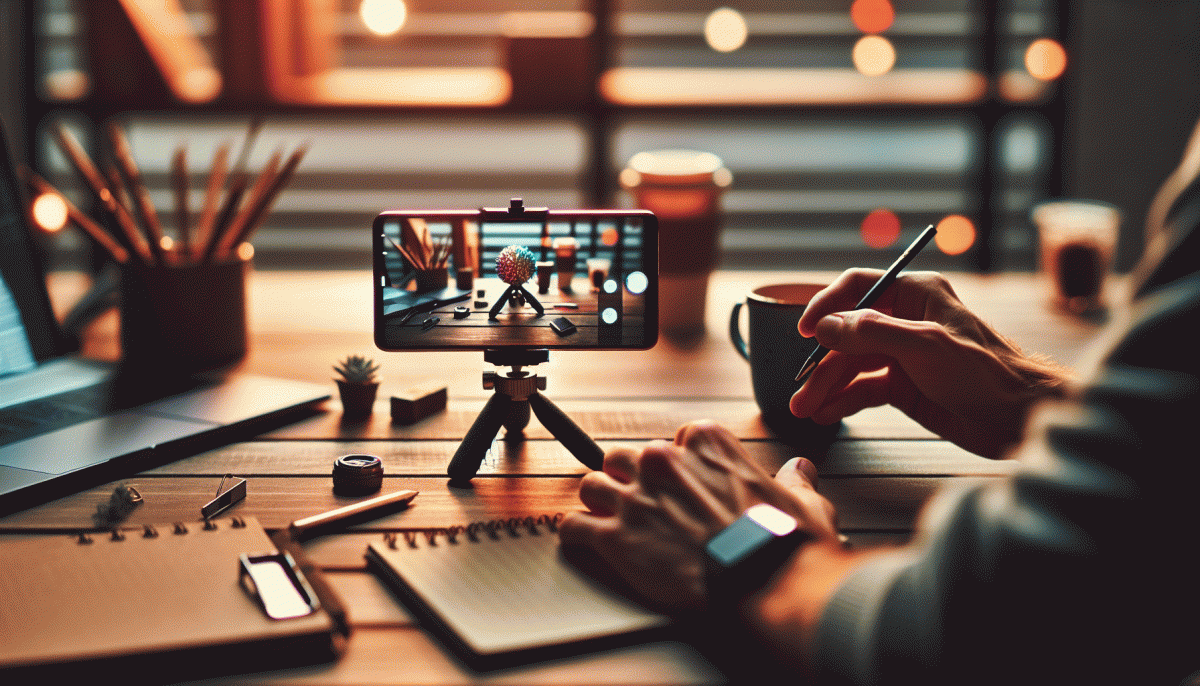
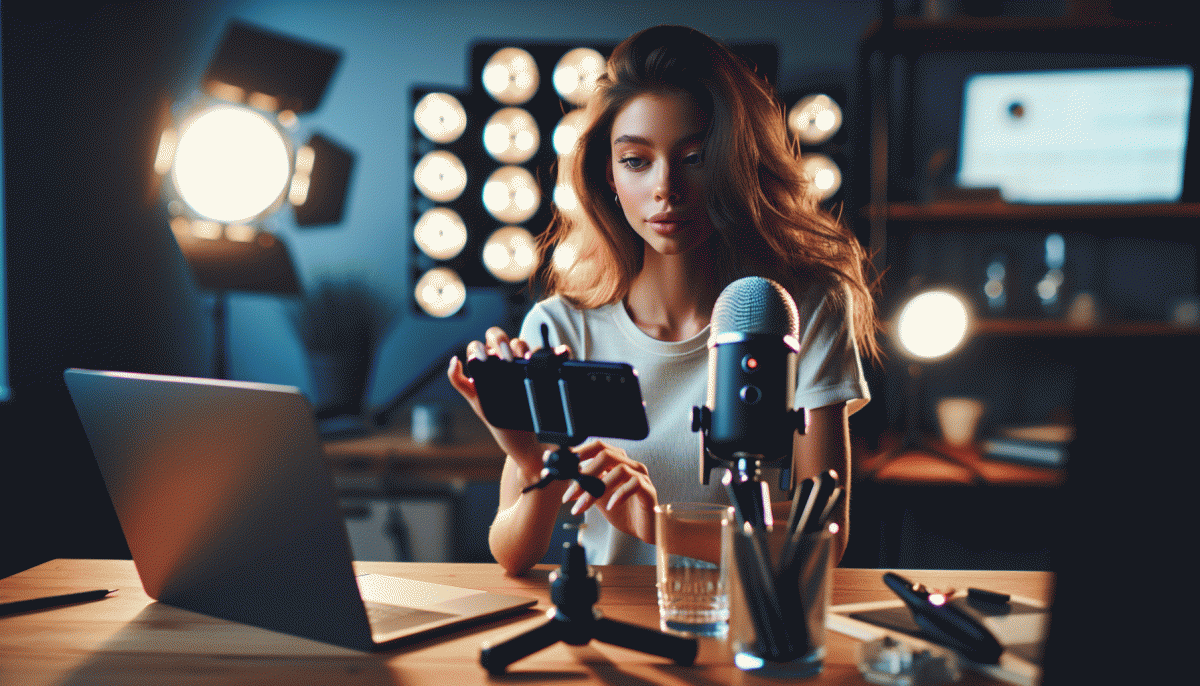
Start with a brisk tech sweep: camera angle, framing, and a one-second audio test so you can actually be heard. Set lighting so your face reads well on mobile, clear the background of visual clutter, and put the phone on a stable surface or tripod. Jot a two‑line opener and one clear CTA on a sticky note; that tiny script keeps you from flailing when the stream starts.
Before you go live, run this micro checklist out loud to yourself and then to the audience as your first line:
- Setup: Camera height, background, frame – make your face the focus.
- ⚙️ Tech: Microphone, battery, and Wi‑Fi – one sentence test; listen back if you can.
- Script: 30‑second hook, two interaction prompts, and one CTA to guide the flow.
Now split the ten minutes into bite sized tasks: 0–2 minutes, final tech checks and mute notifications; 2–5 minutes, deliver your hook and pin a comment; 5–8 minutes, ask a question and pull viewers into chat; 8–10 minutes, call to action and graceful wrap. Add a quick warm up—smile, take a breath, sip water—and treat that first minute as your sparkling headline. Do this enough and dead air becomes a fossil.
Lighting, framing, audio: look pro with the gear you already own
Lighting is the easiest way to look like you planned this. Face a window for soft, even key light and avoid harsh overhead bulbs that create unflattering shadows. Use a white poster board or a sheet to bounce or diffuse light, and add a warm lamp as a fill on the opposite side to tame contrast. Lock exposure in your camera app so the image does not hunt for brightness when you move.
How you frame yourself changes how much people trust you. Put your eyes about one third from the top using the gridlines, leave a little headroom, and aim for a head and shoulders composition. Move a few feet from a plain wall to create natural depth and use a plant or shelf as context, not clutter. If you are using a phone, use the higher quality back camera and preview with a mirror app if needed.
Audio matters more than megapixels. If you can get close to the phone, the built in mic will work, but an inexpensive lavalier or the earbuds mic will give clearer voice pickup. Clip the mic near the collar, speak across it instead of directly into it to avoid plosives, and do a 20 second test record then listen on headphones to catch rustles and echo before you go live.
Work with what you have: a stack of books and a heavy mug make a steady phone stand, binder clips clamp phones to lamps, and a selfie stick can act as an extension arm. Put your phone on airplane mode with Wi Fi on to avoid calls, bring a power bank if battery is below 60 percent, and use a Bluetooth remote if you need hands free control.
Before you hit live run this checklist: vertical orientation for Instagram, exposure and focus locked, audio tested, notifications muted, battery and wifi good, background tidy, and a 60 second rehearsal to warm up. Small prep, simple hacks, and one quick test will take you from awkward to confidently professional with gear you already own.
Hook them in 8 seconds: openers and teases that keep viewers
You get one shot to stop the scroll — treat the first 8 seconds like a headline on fire. Start with a compact promise, a tiny shock, or a visual that makes people tilt their device. Pick one clear opener, rehearse it until it fits in a single breath, and make that line your north star so the rest of the stream doesn't drift.
Here are three battle-tested openers you can swipe and tweak right now:
- Benefit: “Stay for 60 seconds and you'll learn how to [solve X] without [annoying thing].”
- Mystery: “I'm about to reveal the *one* mistake everyone makes with [topic].”
- Quick: “Watch me fix this in under a minute — countdown starts now.”
Delivery beats cleverness. Match energy to the opener, lean in toward the camera, and use a prop or text overlay as a visual anchor. If you use a curiosity line, follow with a micro-proof within 15–20 seconds (a stat, a before/after, or a 10-second demo). And always end your opener with a simple task: “Drop a ? if you want the template” or “Tell me your biggest pain in one word.”
Final checklist before you go live: promise a benefit, create curiosity, show value fast, and give a tiny, clickable action. Test two openers over three lives, note which retains viewers past 20 seconds, and repeat what works. Nail the first 8 seconds and the rest won't feel like firefighting — it'll feel like steering.
Chat that converts: natural engagement moves and CTA timing
Start every Live like a warm conversation, not a webinar. Open with a tiny, specific ask — “Drop a ? if you’re tuning in from coffee in hand” — then call out three follower names you actually see in chat. Mirror their wording and pick one comment to riff on for 30–60 seconds so people feel heard. Small wins build participation quickly; the louder the chat, the less cringe your CTA will feel.
Play micro-games to keep attention: ask a one-word poll (“coffee or tea?”), invite emojis as votes, or hand out a silly title to the first helpful commenter. Use soft prompts that require low effort — these micro-engagements are the social currency that lets you escalate without sounding pushy. When someone asks a question, repeat it aloud before answering; that validation encourages more questions and gives you organic segues to your points.
Timing your CTA is half psychology, half rhythm. Lead with value for the first 10–15 minutes, sprinkle quick wins throughout, then deliver a clear, concise ask after you’ve solved a problem — that’s when people are most primed to act. Use a soft-to-hard ladder: mention an offer casually, show a quick demo, then present the easy next step (emoji, comment, link in bio). Repeat the CTA naturally at the 2/3 mark and again in the last minute with urgency and a recap of the benefit.
If you want more eyes on those moments when you deliver value and convert, consider a visibility boost so your best CTAs hit a bigger crowd. For an easy option to amplify reach, get Instagram live video today. Don’t forget to pin the CTA comment and recap the benefit before you close — a clean, repeated direction beats one dramatic plea every time.
Glitches happen: smooth recovery lines and bulletproof backup plans
Tech hiccups are part of live streaming — the mic fizzles, your Wi‑Fi hiccups, or a guest drops mid-answer. Have two recovery lines memorized: a quick apology that sounds human ("Give me one sec — tech gremlin attack!"), and an invitation to stay ("While I reboot, shout questions in the chat and I'll answer them when we're back"). Saying those buys you time and preserves vibes.
Backup plans are your real wardrobe for live shows. Always have a charged backup device logged in as co-host, a phone hotspot ready, and a five-second pre-recorded clip you can swap in. Close unused apps, set screen brightness low, and pin a sticky note with your login creds so panic doesn't equal a platform lockout.
When things unravel, pivot fast: slide to a branded standby image, mute the stream, and switch devices. If you want extra reach for the replay after a recoverable flub, consider services that amplify views — here's a quick option: buy Instagram views today. That buys you breathing room to edit and repromote.
Practice your recovery as part of rehearsal: run accidental-mic-death drills, rehearse co-host handoffs, and time the "we'll be right back" script. A calm, scripted recovery reads as pro energy — not panic — and helps you keep headline-worthy moments without the cringe.
Read also
Go Live on Instagram Without the Cringe: Steal These Pro Tricks to Wow Viewers

Instagram Live Without the Cringe: The Unfair Playbook They Don't Want You to Use
Go Live on Instagram Without Cringe: The Shockingly Simple Playbook
Live on Instagram Without Embarrassment: Pro Secrets That Actually Work
You’ve Been Doing Instagram Live Wrong—Do This Before You Hit ‘Start’