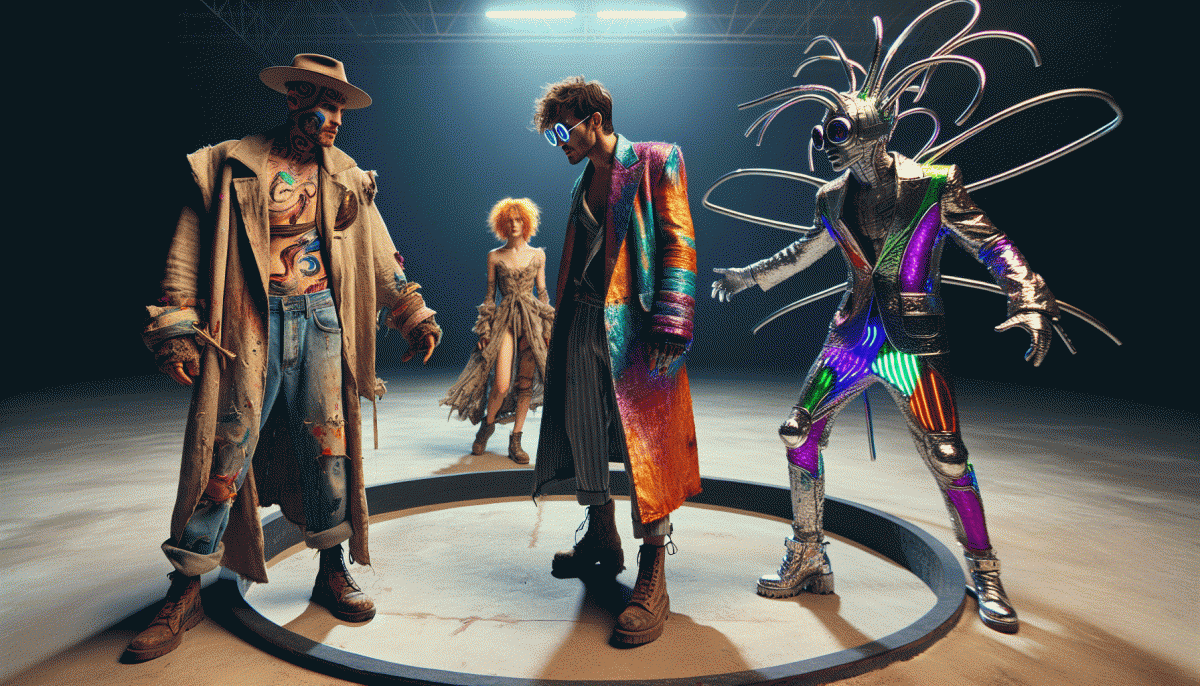
Raw vs. Flashy vs. Weird: We Ran the Ultimate Creativity Cage Match — The Winner Will Surprise You
Why These Three Styles Dominate Feeds and Brains
In feeds and in minds, three visual languages win because they solve the same urgent problem: grab attention and create meaning before the scroll kills engagement. Algorithms prefer signals that are easy to categorize — emotional punch, novelty, or social proof — and that neat trifecta explains why certain styles keep rising.
Raw works because the brain rewards authenticity. Unpolished framing, ambient sound, and tiny mistakes cue a human presence and lower cognitive resistance. Closeups, candid captions, and visible process build fast rapport. Tip: embrace subtle imperfections and let a few natural moments breathe; viewers read that as honest.
Flashy seizes micro attention with contrast, motion, and tempo. Bright palettes, snappy cuts, and bold text trigger quick dopamine hits and force a pause. If you want people to stop mid scroll, lead with a visual jolt or a tight, energetic hook in the first two seconds. Tip: compress energy early, then reward it with clarity.
Weird wins by breaking prediction. Strange metaphors, odd pairings, or an unexpected twist make content memorable and highly shareable. The cognitive mismatch sparks conversation and repeat views. Tip: tether the strange element to one clear human detail so the idea remains explainable.
Top creators mix these modes like a DJ: a raw setup, a flashy entrance, and a weird reveal. Run disciplined tests with one variable at a time and measure retention, shares, and comments. Platforms amplify patterns that keep eyes and spark interactions, so data guides creative bets.
Play with ratios instead of killing one style. Shoot a raw clip, add a flashy edit, tuck in a tiny weird idea, then watch which metric moves. Treat creativity as a lab: iterate fast, learn faster, and keep the results messy and human.
Raw: Scrappy, Human, and Scroll-Stopping
Think of the raw approach as a fast coffee shot for attention: messy edges, visible edits, and real faces that stop the scroll because they feel human. It doesn't try to be perfect — it tries to be recognized.
Raw content converts because people recognize effort, not polish. Quick cuts, candid reactions, and honest captions invite trust and replies — which the algorithm treats like currency. You win reach by feeling like a person, not a polished billboard.
Want to do it today? Record vertical, keep clips under 30 seconds, and open with a concrete moment in the first 2 seconds. Lean into imperfections: noisy background, mid-sentence laughs, or a crooked frame — then pair it with a one-line caption that adds context.
- Accessible: Use natural lighting and phone audio — good content shouldn't require a studio.
- Emotion: Show surprise, frustration, or joy to trigger reactions fast.
- Community: Prompt a tiny ask (reply or duet) so viewers become participants.
Measure what matters: raw videos that spark comments and saves are your winners. Iterate weekly, keep the production cheap, and reward authenticity — your brand will feel alive instead of staged.
Flashy: High-Gloss, High-Budget, High Reward — Sometimes
Think of flashy as the cinematic entrance in a romcom: loud music, lights, and a landing that makes people stop scrolling. When you can afford glossy production and a smart creative brief, flashy delivers instant credibility and social proof — perfect for launches, hero products, or seasonal spectacles. It grabs attention fast and signals quality without saying a word.
Make that budget work harder by focusing on three things: a 3‑second hook, an unmistakable hero shot, and sound design that feels expensive. Keep cuts tight, captions readable, and brand placement subtle but unmistakable. Don't spread the budget across too many formats; invest in a few master assets you can repurpose into stories, reels, and ads.
Warning: gloss can backfire. High polish highlights flaws, so product and message must be ironed out first. Flashy pieces age faster and risk looking performative for audiences that prize authenticity. Mitigate that by A/B testing conservative edits, adding behind‑the‑scenes cuts for credibility, and measuring lift in both engagement and conversion, not just vanity metrics.
Budget like a strategist: pilot one glossy hero, learn what sticks, and then scale by slicing that hero into lower‑cost assets. When paired with solid storytelling and real user proof, flashy becomes catalytic instead of wasteful. In short, use fireworks to punctuate the story — not to write it.
Weird: Memorable, Memeable, and Hard to Ignore
Weird is the creative move that makes people pause and then pixel-peck at every frame to figure out what just happened. It is not random oddness; it is a deliberate mismatch that produces curiosity. When you pair a bizarre image or line with a simple, clear idea, that oddity becomes memorable instead of merely confusing.
Why it works: novelty hijacks attention, emotional surprise fuels sharing, and remixable elements invite others to riff. The practical play is to amplify one dimension while keeping everything else legible. Pick a voice, a prop, or a moment to crank up to eleven, then give the audience a single entry point to understand and repeat the joke.
Quick tactical moves to get weird without alienating:
- Hook: Start with a baffling visual or phrase that forces a double-take within the first two seconds.
- Shareability: Create a repeatable asset — a sound, a caption format, or a gesture — that others can reuse easily.
- Constraint: Push one element to the extreme while keeping brand cues and context tight so the idea travels, not wanders.
Test weirdness in small bets: short runs, quick metrics on shares and replies, and qualitative checks on whether people are copying it. If the content starts to spawn inside jokes or edits, you have an engine. Keep it brave, clipped, and trackable, then scale the riffs that stick.
Your 7-Day Test Plan: Find Your Winner With Real Data
Treat this like a lab, not a guessing game. Pick three clear variants — Raw, Flashy, Weird — and make three short creatives for each. Match posting cadence, captions, and CTA so the only variable is style. Aim for at least two posts per variant per day and a minimum sample of 300 impressions per variant to get usable signals.
Run a strict 7-day schedule: Day 1 establish a baseline; Days 2-3 push all three styles evenly; Day 4 drop the lowest performer and double impressions of the top two; Day 5 introduce tiny tweaks to the leader; Day 6 scale the top performer; Day 7 stop, compile metrics and collect qualitative comments from real users.
Focus on three KPIs that matter for your goal, for example: CTR for traffic, watch time for videos, and comments/shares for virality. Use a simple scoreboard: normalize each KPI to a 0-100 scale, weight them by priority, and pick the highest composite score. Practical cutoff: a consistent 15-20 percent lift or better is a meaningful lead.
If you need to accelerate sample size or validate reach inexpensively, you can jumpstart signals with smm panel, then re-run organic tests to confirm. Once a winner emerges, double down, iterate on hooks, and consider hybrid mashups — often the best long-term winner is a little Raw with a touch of Weird.
Read also
Raw vs Flashy vs Weird: The Creative Cage Match No One Saw Coming

Raw, Flashy, or Weird? The One Style That Crushes Conversions Might Surprise You

SEO in 2026: Dead or Dominating? The Answer Will Surprise You

Raw vs. Flashy vs. Weird: The Showdown Your Brand Didn’t Know It Needed

We Moved Shoppable Content Off Social—The Results Will Surprise Your CFO
