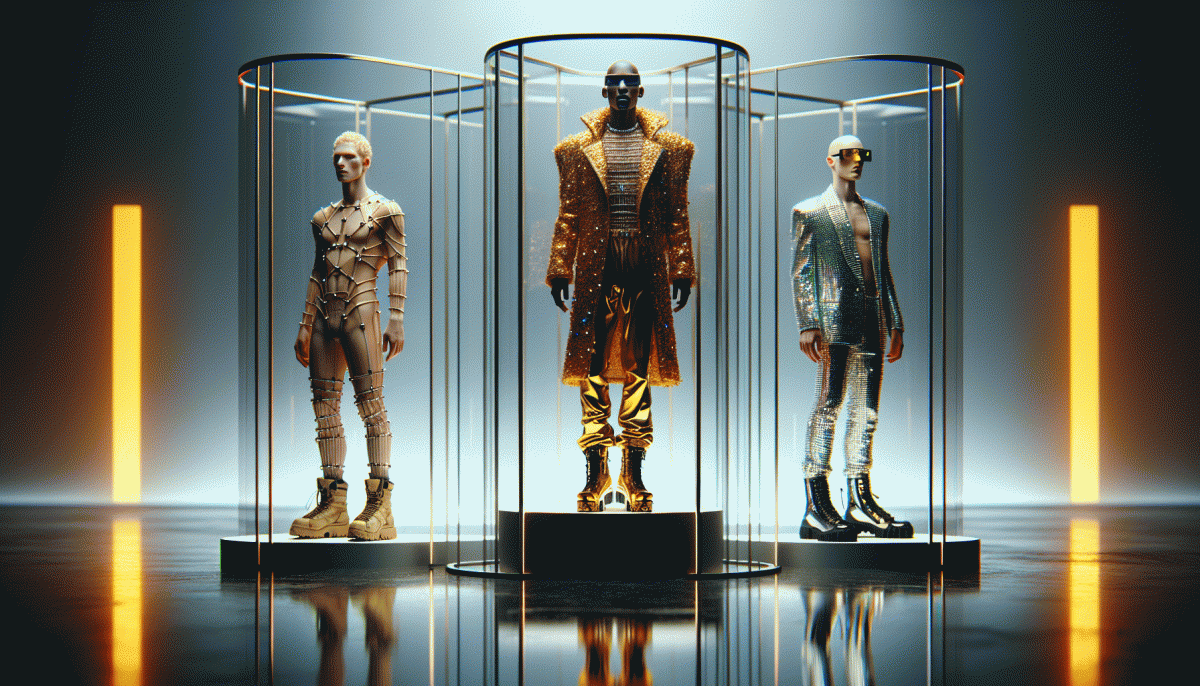
Raw vs Flashy vs Weird: The Creative Cage Match You Cannot Ignore
Raw: Unfiltered honesty that builds instant trust
Go raw and watch the trust meter spike. When a brand stops polishing every sentence and starts speaking like a human, it removes the distance between product and person. That flat, honest voice acts like a backstage pass: people feel included, mistakes feel real, and praise feels earned. In the noisy arena of shiny ads and weird stunts, plain honesty is a rare knockout.
This works because raw content shortcuts skepticism. Plain language signals there is nothing to hide, which lowers cognitive load and increases willingness to engage. Share the messy process, admit small failures, post quick voice notes from real team members, or quote unedited customer messages. Those tiny transparency wins usually turn skeptics into defenders faster than a campaign of perfect visuals ever will.
Try this mini playbook to start using raw voice today:
- Transparency: Publish a candid update about how a product actually got built, warts and all.
- Response: Reply to comments with short, human answers instead of canned copy.
- Showcase: Post behind the scenes clips that highlight process over polish.
Measure impact with simple metrics: reply rate, saves, direct messages, and repeat purchases tied to honest campaigns. If you are unsure donde to start, run an A/B test: one raw post versus one glossy piece and watch which one sparks genuine conversation. In a cage match of creative styles, raw is the trick that turns viewers into believers.
Flashy: Eye candy that stops the scroll—will it actually sell?
Flashy creative grabs attention like a spark in a dark feed: motion, saturated color, and a pinch of absurdity can stop thumbs mid-scroll. But stopping attention is only step one — that first hit has to make the product intelligible in under three seconds. Use bold contrast, a readable headline, and a focal point (product, face, or action) so the candy doesn't just entertain; it points the eye where you want it to go.
Too much spectacle can be its own form of sabotage: if viewers are dazzled but confused, your conversion funnel leaks. Fight this by pairing showy visuals with a surgical message. Lead with the single most persuasive benefit, keep price/offer visible, and show the end state. A dramatic hero image plus one-line promise beats a carousel of pretty shots that demand interpretation, and aim the spectacle at the right audience—flashy for niche fans differs from flashy for bargain hunters.
Measure what matters: clicks and likes are noisy applause, conversions are currency. A/B test intensity levels (subtle motion vs full-on animation), CTA wording, and close-up vs lifestyle shots. Don't forget the boring technical stuff that kills flashy campaigns—fast load times, mobile framing, and accessible captions—because a scrolling audience won't wait for an image that buffers.
Make flashy sell by following three fast rules: 1) spectacle + clarity: show value in the first frame; 2) single CTA: remove choice friction; 3) visual continuity: match ad aesthetics to your landing page. Treat the eye candy like a lead magnet, not the offer itself, and you'll turn attention into actions.
Weird: The delightful curveball your brain remembers
When raw hits like a live wire and flashy buys a glance, weird delivers a whisper that becomes a conversation. It is the small oddity that flips expectation into curiosity: a playful mismatch of tone, an unlikely prop, a color that should not work and yet does. That small friction forces attention, and attention is the currency of memorable creative.
From a cognitive view, anomalies get preferential treatment. The brain flags patterns that break and spends extra cycles encoding what caused the surprise. Practical takeaway: pick one predictable element in your creative and nudge it toward the unexpected. Keep the message simple so the oddity can act as a beacon rather than noise.
- Hook: Replace a stock opening with one bizarre image that still relates to the idea to stop the scroll.
- Memory: Repeat a tiny weird detail across formats so recognition compounds over time.
- Action: Give the odd element a clear next step so curiosity turns into clicks and shares.
Test small, measure lift in clicks, shares and dwell time, then double down on what moves metrics and mood. Weird is not reckless. Used with guardrails it is a high return creative experiment that makes brands feel alive and talkable.
Where they shine: How each style plays on Instagram
Instagram is a stage where three archetypes perform differently: the candid charm of moments captured raw, the showy dazzle of glossy production, and the oddball magnetism of the weird. Each wins attention in different corners — feed grids crave cohesion, Reels reward motion and sound, Stories favor immediacy — so match format to flavor.
Raw thrives on trust. Lean into uncut reality with short captions that build rapport. Use carousels to tell an unpolished story, create day-in-the-life Reels with minimal editing, and pin saves by adding useful how-tos. Mix niche and broad hashtags and post when your crowd is online. Metric to watch: saves and DMs as authenticity currency.
Flashy lives for the scroll stop. Invest in bold thumbnails, tight edits, and a sonic hook in the first second. Color-block your grid, drop transitions that make people rewind, and write one-line captions that sell a feeling. Use collaborations and shoppable tags to turn attention into transactions. Metric to watch: reach and conversion rate from link taps.
Weird is the magnet for cult followings. Lean on strange recurring motifs, absurd microseries, or playful distortions that beg to be shared. Use odd prompts to seed comment threads and turn niche jokes into inside culture. If engagement spikes but reach lags, you are cultivating a devoted nucleus. Metric to watch: comments, saves, and repeat viewers.
Mix them like a chef: start raw to build trust, flash up a big Reel to scale, and sprinkle weird experiments to spark virality. Run a metric-focused test each week, iterate fast, and archive what flopped. Final cheat code: measure what matters, tweak boldly, and keep posting with personality.
Run the test: A 72-hour experiment to crown your winner
Pick three clear creative directions — raw, flashy, weird — and build one tight variant for each. Treat them as scientific samples with the same hook length and identical call to action so aesthetic DNA is the only difference. Define a crisp hypothesis and choose a primary KPI so you know what success looks like before the clock starts.
Run them side by side for exactly 72 hours across a controlled audience. Equalize budget, timing, placement and targeting so creative is the single variable under test. Use consistent metadata and UTM parameters for clean attribution and watch traffic patterns closely to catch early distribution quirks.
Check performance in three windows: 0-24, 24-48, and 48-72 hours. Track immediate signals like CTR and click volume, midterm signals like average watch time, saves and comments, and late signals like conversion rate and retention. Capture qualitative feedback from comments and messages because the weird option often surfaces the most interesting insights.
Decide a winner with a weighted scoring rule: give 50% weight to your primary KPI, 30% to engagement quality, and 20% to downstream conversion. Favor sustained momentum over a single-day spike, and if the result is ambiguous rerun with small controlled tweaks rather than guessing. Document thresholds so you can automate decisions next time.
Finish with a short retrospective: what surprised you, which assumptions failed, and which repeatable element deserves a playbook entry. Amplify the winner, iterate on the runners up, and schedule the next 72-hour sprint. Make it a ritual and repeat quarterly to let data sharpen your creative instincts.
Read also
Raw vs Flashy vs Weird: The Creative Cage Match No One Saw Coming

Raw, Flashy, or Weird? The One Style That Crushes Conversions Might Surprise You

SEO in 2026: Dead, Dying, or Dominating? The Surprising Truth You Cannot Ignore

Raw vs. Flashy vs. Weird: The Showdown Your Brand Didn’t Know It Needed

Raw vs. Flashy vs. Weird: We Ran the Showdown—Guess Which Style Actually Wins?