
Raw, Flashy, or Weird? The Shocking Winner No One Sees Coming
The 3-Second Scroll Test: Which Style Stops Thumbs Cold
In the first three seconds the brain decides whether to keep scrolling or to stop. Your thumbnail and first frame are auditioning like a fast casting director on a crowded stage. There are basically three personalities that try to arrest thumbs: raw — honest closeups and imperfect light; flashy — neon, motion, and luxe polish; and weird — a tiny visual question that forces the brain to look twice. This is not about replacing content quality; it is about making the first impression work.
Treat the three second moment like a tiny experiment. Use high contrast or movement to catch peripheral vision, a clear face or icon to create instant social proof, and a curiosity gap that promises a quick payoff. Text overlays must be punchy, readable at thumb size, and aligned with the first frame. Bold color choices can outperform clever fonts because thumbs scan not read, so avoid tiny logo clutter and make the hook legible at a glance.
Run a controlled test with three variants that only differ in style. Keep headline and description identical and rotate each to equal audience slices for a few hundred impressions at minimum. Use platform native analytics and video heatmaps to watch drop at 1s, 2s, and 3s, and track early engagement signals like clicks, saves, and comments. If you are organic, monitor reach and share velocity. Convert those metrics into a simple stop rate and pick the style that actually halted thumbs, not the one that looked best in the mockup.
Do not bet the whole campaign on a hunch; spend small, learn quick, then amplify the winner. Maintain one experimental slot in every campaign and iterate weekly so surprises are regular. When the win arrives, extract the exact visual cue that stopped thumbs and reuse it across formats. Have fun with the weird one sometimes it will be the hidden champion that scales when treated like a repeatable tactic.
When to Go Raw: Authenticity That Converts
Raw wins when the alternative is gloss with no soul. Showing the bruise of a product beta, the laugh after a botched take, or the frantic whiteboard session invites empathy. That empathy lowers the friction between curiosity and conversion: people buy from faces and stories they trust, not from brochure perfection. Use raw to build recognition, then nudge that warm audience toward action.
Make raw work by designing small experiments. Lead with 15 to 45 second vertical clips, layer readable captions for sound off viewers, and close with one clear action. Try a micro formula: show the problem, show a real attempt that fails, then show the honest fix. Respond to comments on the same day to signal presence. Consistency beats polish for momentum; algorithms favor attention that keeps returning.
Choose raw for testing positioning, for creator-led brands, and for moments when truth matters more than optics. If you want to amplify authentic reach without faking it, consider buy Instagram followers today. Use that boost purely as distribution scaffolding while the content itself remains genuine; paid reach should bring real viewers to real stories, not pretend to be trust.
Track the right metrics: engagement rate, saves, comment quality, direct messages that convert, and subsequent lift in landing page clicks. A simple A/B could be unscripted 30 seconds versus edited 60 seconds; measure which version increases replies and conversions. Final rule: treat raw as iterative research — keep what humanizes, throw away what feels staged, and double down on the posts that make people stop scrolling and start buying.
Make It Flashy Without Looking Like a Pop-Up Ad
Flashy should feel like a wink, not a shove. Start by treating attention like a fragile currency: spend it on one cheeky visual trick, then let the design earn the rest with clarity. Swap giant banners for a confident accent — a sliver of motion, a glossy edge, a brief microinteraction that rewards curiosity without screaming for it.
Timing is everything. Stage your flourish so it arrives after the user has settled into the page, and keep it reversible so it does not interrupt a task. Pair that with context aware placement and native cues; a shiny badge next to a testimonial reads like proof, not an ad. For creators who want an extra nudge in reach, consider a subtle growth boost from a trusted provider — get YouTube subscribers today — then amplify authenticity with earned social proof.
Color and contrast must flirt, not fight. Use a single accent color that contrasts with the background and reserve animation for affordances like buttons. Write CTAs that sound human: short verbs, gentle urgency, and a clear next step. Employ microcopy to explain why the shine matters, for example a tiny line that says "plays well with your feed" keeps the experience tidy and trust intact.
Practical checklist: limit movements to one per screen, attach meaning to any animation, mirror platform conventions, and always offer an easy way out. Do these things and your work will be flashy enough to win attention without ever feeling like a pop up trying to steal it.
Embrace the Weird: Turn Quirks into Brand Superpowers
Odd details make things memorable. When a small eccentricity is intentionally amplified it becomes a magnet for attention and word of mouth. That tiny, unexpected choice can cut through polish and make people feel like they discovered an inside joke. Start by inventorying little inconsistencies that already live in your product or voice.
Pick one weirdness and commit. Prototype three playful executions: social posts that heighten the quirk, a packaging tweak that surprises, and a micro experience for first time users. Test these in low risk channels, then pick the version that generates smiles, saves, and repeat mentions. Document rules so the quirk stays recognizably yours.
Turn oddity into utility. Bake the quirk into customer rituals, onboarding copy, and community prompts so it becomes a shorthand for what the brand stands for. Use themed limited editions, staff personas, or intentional micro failures that invite customers to fix the joke. The goal is shareability that feels earned, not manufactured.
Measure the signal not the noise. Track share rate, repeat engagement, and sentiment alongside conversion lift. If people repeat the line, mimic the behavior in new formats and scale what feels natural. If confusion rises, simplify and double down on the clearest element. Weird wins when it humanizes, not alienates.
A/B-Ready Checklist: Pick the Right Vibe for Your Next Campaign
Treat your vibe like a scientific hypothesis. Before launch, name your variants and assign concrete outcomes for success: conversion rate, engagement, cost per action. Map segments that might prefer raw energy versus glossy flash or quirky weirdness. Keep the test focused by changing only the creative vibe while holding headline, offer, and targeting steady so results reveal emotion not noise.
Creative: produce 2–3 assets per vibe with matched thumbnails and 10s plus 30s cuts.
Tracking: set up event pixels, UTM parameters, and cohort labels.
Sampling: estimate sample size and minimum detectable effect, then pick a test duration that avoids calendar anomalies.
Ops: QA on mobile, check creative load time, and prepare a fallback asset for sudden failures.
On execution, randomize assignment and maintain clean splits. Start with a simple A/B for clarity, or use a multiarmed approach if speed matters. Monitor early signals like CTR and micro conversions, then layer qualitative signals such as heatmaps and short onpage surveys. Watch for novelty bias; weird can spike and then settle, so watch performance over a full cycle before deciding.
Pick a winner when statistical confidence meets business sense. If results are close, run a narrow follow up with tighter creative tweaks. Roll out the winner with phased budget increases and keep an eye on creative decay. Capture every insight in a campaign playbook so the next test is truly A B ready. The shock of the unexpected can win, but only disciplined testing tells you when it actually does.
Read also
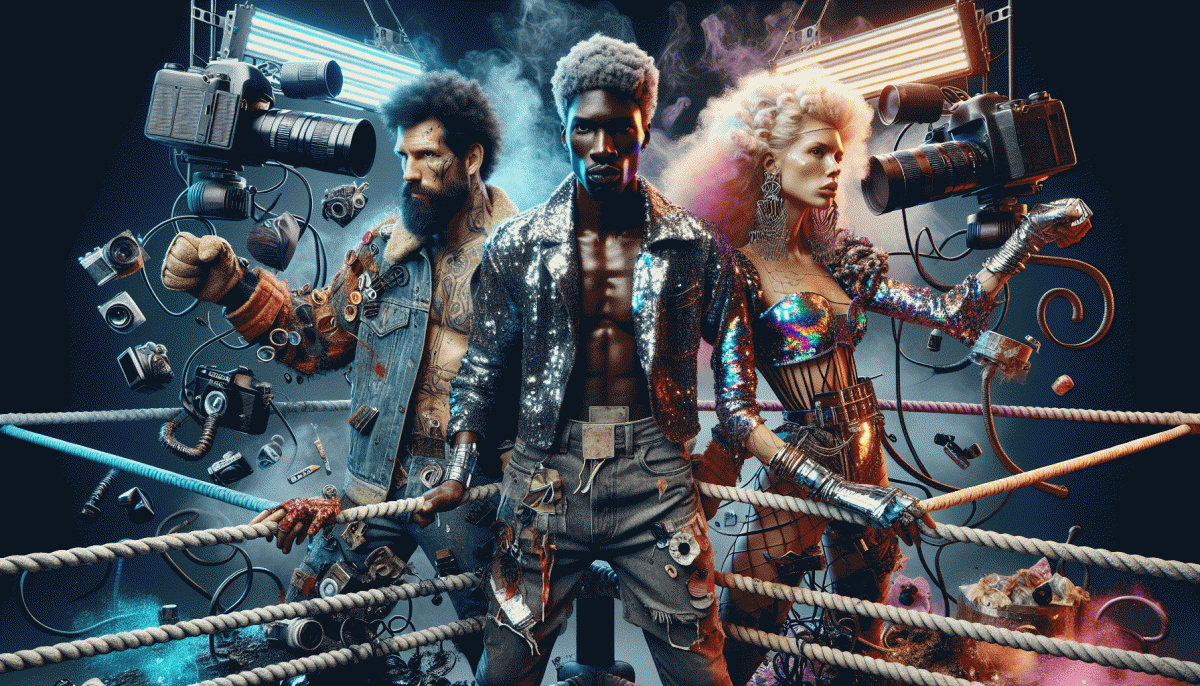
Raw vs Flashy vs Weird: The Creative Cage Match No One Saw Coming

Raw, Flashy, or Weird? The One Style That Crushes Conversions Might Surprise You

Raw vs. Flashy vs. Weird: The Showdown Your Brand Didn’t Know It Needed

Organic vs Paid vs Boosted: The Follower Growth Winner You Did Not See Coming

Raw vs. Flashy vs. Weird: We Ran the Showdown—Guess Which Style Actually Wins?