Live Content Done Right on Instagram (Without Embarrassment): Steal This No-Cringe Playbook
Prep Like a Pro: The 10-minute run sheet that kills awkward silences
Think of this as your broadcast cheat sheet that fits on a post-it. Start with a 30-second tech check: camera, mic, lighting, and a quick nod to the camera so you know you are framed. Announce the topic in one crisp sentence and promise the outcome viewers will get by the end.
0:30-2:00 is your hook window: drop a surprising stat, a bold claim, or a mini-story that makes people stick. 2:00-6:00 is the meat—deliver three bite-sized points, each 90 seconds max. Use short segues like "tip two" to signal movement and avoid dead air between ideas.
6:00-8:30 is engagement time: call out a simple instruction for viewers to comment, poll, or react, and read one or two live replies. 8:30-9:30 is your wrap: summarize the promise you made, restate the one action you want people to take, and tease what comes next so they come back.
Pro tip: keep two fallback prompts handy—a story and a question—so if chat goes quiet you can pivot without sweating. Also have a five-word intro and a five-word closer ready to maintain momentum.
Run this script once before going live; time it, tweak the transitions, and treat silence as a cue to ask a question. Ten minutes of rehearsal saves an hour of cringe and makes your broadcast feel like a show, not a seat-of-your-pants experiment.
Look HD in real life: lighting, angles, and framing that flatter fast
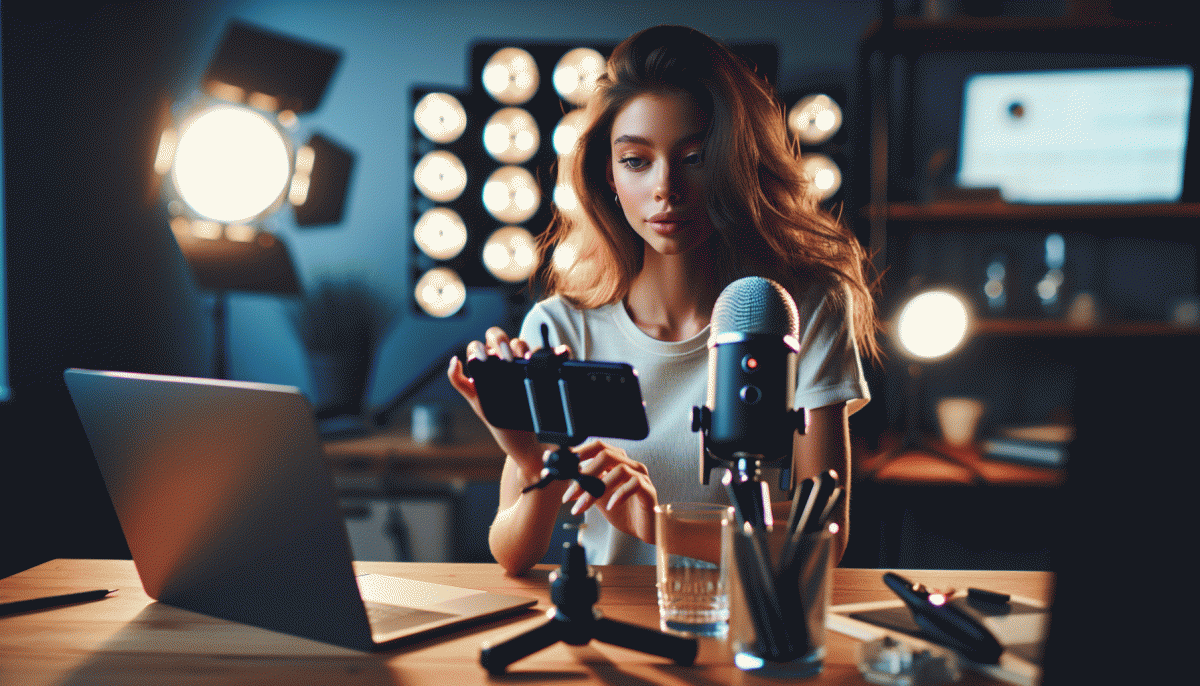
You don't need a studio to look HD on Instagram Live—just smart light, a flattering angle, and tidy framing. Aim for soft, even light: face a window for natural glow or use a ring/softbox light to remove harsh shadows. Avoid overhead bulbs that carve out eye sockets; bounce light off a wall or reflector if you have one.
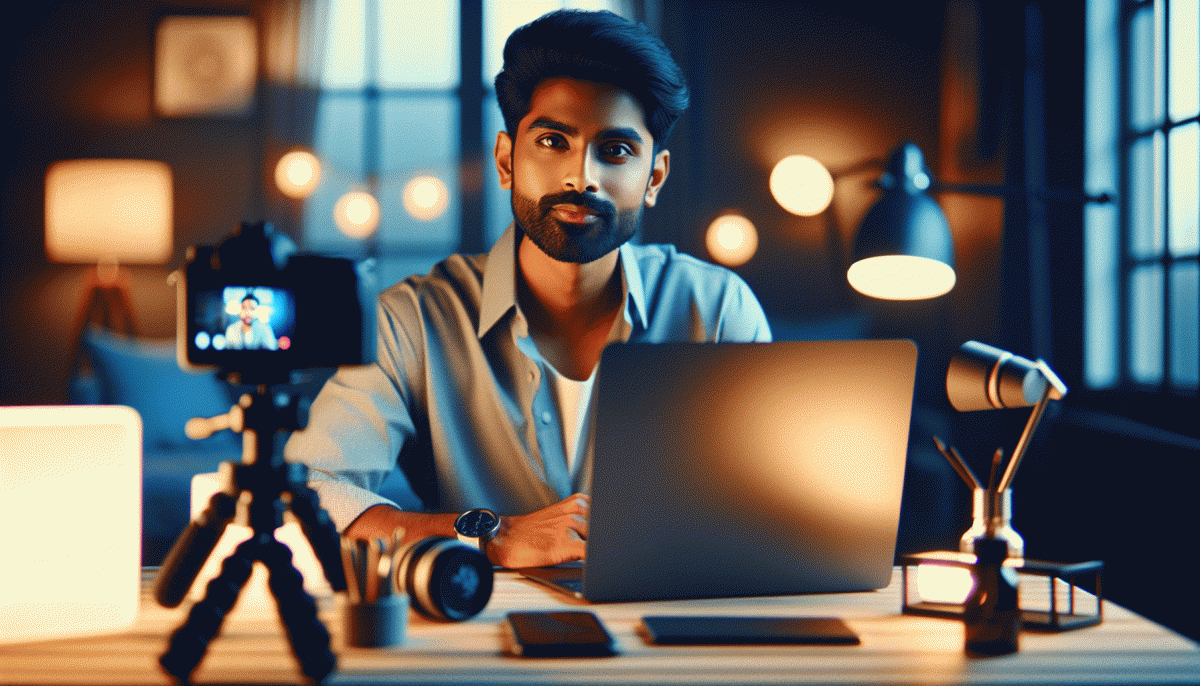
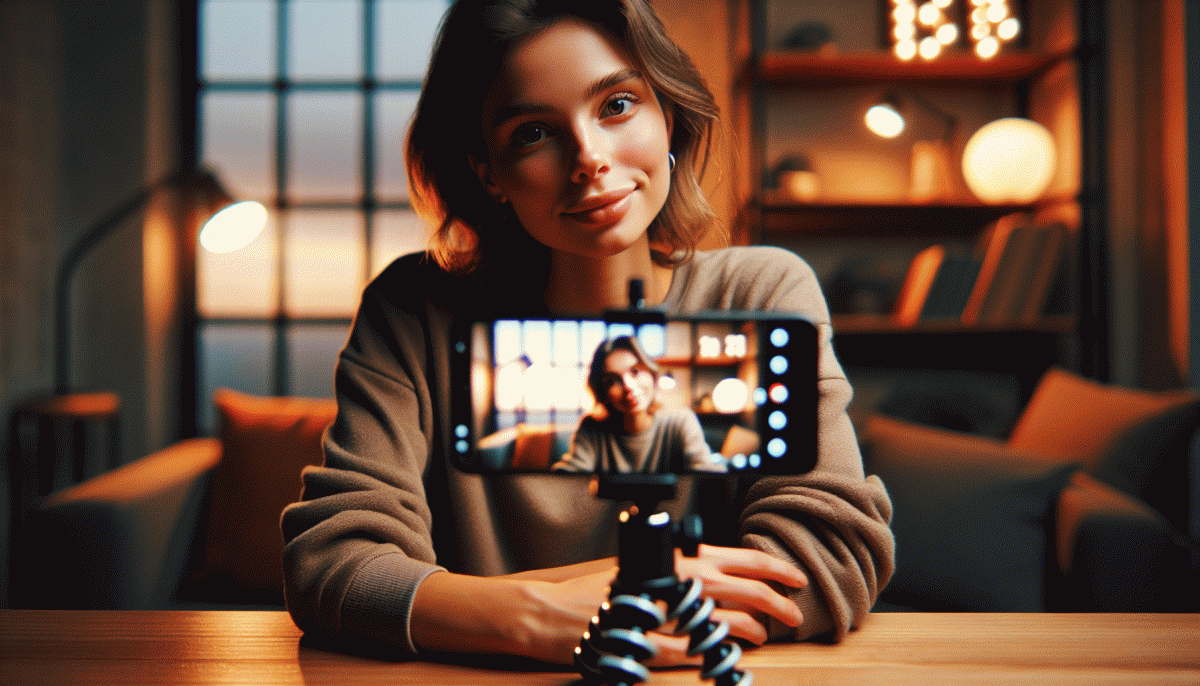
Position your camera slightly above eye level (tilt down 5–10°) and about 1.5–2.5 feet away for flattering proportions. If you're using a phone, lock it on a tripod or stack books to steady it. For lighting, think key + fill: a main light at 45° and a softer fill on the opposite side to keep depth without drama.
Compose for movement: shoot vertical for IG Live and frame from mid-chest to just above the head so gestures stay in frame. Use the grid to place your eyes on the upper third and leave a little headroom—never chop at the chin. Keep backgrounds simple and add a soft backlight or lamp for separation if you can.
Before you hit Go: quick preflight—test one short clip, check exposure and catchlights, mute notifications, wear colors that contrast your background, and rehearse two opening lines. Small edits like these make your live feel polished, friendly, and totally non-cringe.
Hooks that stop the scroll: irresistible openers and the first 30 seconds
Those chaotic first moments decide whether viewers stay or flick away. Think of the first three seconds as a micro-commitment: show the payoff before the explanation. Start with a bold visual — a close-up of the finished result, a gasp-worthy reveal, or a fast motion — then layer a one-line promise like "Fix a crooked frame in 30 seconds" or "Watch this trick triple your saves." This creates immediate curiosity and a reason to linger.
Next 10–30 seconds: fulfill the promise fast. Use a rapid pace: quick cut, text overlay that names the benefit, and one clear demonstration clip. Lead with result → proof → how: show outcome, then a 3–5 second proof, then a headline step. Keep camera stable but move once to reframe attention; people respond to motion and clarity more than perfection.
Words matter: openers that challenge, tease, or solve perform best. Try lines like "Most creators miss this one step" or "Bet you did this wrong on your last live" or "I will show you how to save 2 hours today" — short, conversational, and slightly provocative. Offer a tiny commitment: "Stay 10 seconds and I will..." to convert passive scrollers into active watchers.
Practice the opener until it feels effortless: rehearse timing, check audio with a clap, and test lighting so the face and product read instantly on mobile. Record a 30-second dry run and trim anything that lags. The aim is to be confident, playful, and clear — not perfect. Nail the first 30 seconds and the rest of your live will get a fighting chance.
Chat like a host, sell like a friend: engagement prompts that actually work
Live streams work when you speak like someone who hosts a good party, not a salesperson in a windbreaker. Lead with curiosity, not a pitch. Start with a genuine hook — a quick personal anecdote, a surprising stat, or a behind-the-scenes flub — then invite viewers into the conversation. That warm, confident vibe lowers guard and makes any product mention feel like a friendly recommendation.
Use short, low-pressure prompts that create easy wins. Try openers like "Which color should I try next — A or B?", or "Tell me one word that describes your morning today." Follow up with value-first prompts such as "Want the five-second trick I use to fix X?" and soft CTAs like "If you find this helpful, tap the heart so I know to share more." These keep people typing instead of zoning out.
Timing matters: drop a prompt every 4–7 minutes, mix formats (poll, emoji-only reply, short text), and mirror answers to show you are listening. Use scripted friend-sells: "I used this on my last shoot and it cut my setup time in half — I can drop the link in the comments if anyone wants." For scalable growth, pair this hostlike approach with tools that amplify reach, such as fast and safe social media growth, so engagement actually turns into new followers.
Finally, avoid cringe by being specific, not needy. Replace vague claims with one real example, pause for reactions, and thank people by name when possible. Track which prompts spark messages, not just views, and iterate weekly. Small adjustments to tone and timing make your live chats feel like hanging out with a friend — and that is the best selling environment you can create.
Panic-proof your Live: recover from tech hiccups, trolls, and low turnout
Think of on-air slip-ups as improv prompts, not public humiliation. Start with a preflight: charged phone, wired internet option, headphones, a second device logged into your account, and a 30-second checklist to test audio & camera. Draft a short opening and a stash of mini-segments so you can jump into something useful if setup runs long.
When tech rebels, buy time with a calm narrate-and-pause: tell viewers you're fixing it, mute, switch devices, or flip to an onscreen “brb” image. Keep a one-line fix script ready like “Quick reset — be right back in 2!” so you never stare awkwardly at a blinking camera. Always have the session recording locally — you can stitch and repost if live fails.
Trolls are loud, not powerful. Use comment filters and a moderator, and arm yourself with three responses: ignore, a short redirection (“Great question — answer coming in a sec”), or a swift remove/ban. Celebrate supportive chat publicly to change the tone and keep energy on fans, not hecklers.
Low turnout? Lean into the perk: make it intimate, ask viewers to invite a friend, and promise a highlight clip for later. Repurpose any moment into short videos and teasers. If you want extra reach and practical tools to grow reliably, check fast and safe social media growth — then run the next show like you meant it.
Read also
Go Live on Instagram Without the Cringe: Steal These Pro Tricks to Wow Viewers

Instagram Live Without the Cringe: The Unfair Playbook They Don't Want You to Use
Go Live on Instagram Without Cringe: The Shockingly Simple Playbook
Live on Instagram Without Embarrassment: Pro Secrets That Actually Work

Steal This $5/Day Ad Playbook: Grow Fast Without Torching Your Budget