
Go Live on Instagram Without the Awkward: Steal These Pro Moves to Wow Your Audience
Pre-Show Prep: A 5-Minute Checklist That Saves You From (Is This Thing On?)
Treat the five minutes before you go live like a tiny premiere. Run a quick checklist: lights, audio, angle, battery and connection. Set a countdown on your phone. When each item earns a green check you swap stage fright for stage presence and a confident cue to start.
Fix lighting fast: face a window or place a warm lamp behind your phone, slightly above eye level. Avoid strong backlight and test one change at a time. Even a tiny bounce card or piece of white paper will soften shadows and make you look more professional.
Check audio in 30 seconds: plug in earbuds or a lav, record a quick clip and play it back. Turn on Do Not Disturb, lower notification volume, and remind anyone nearby that you will be live in two minutes. Good sound keeps eyes glued.
Frame the shot: raise the camera to eye level, use a tripod or stacked books, and enable the grid to follow the rule of thirds. Declutter the background, remove odd reflections and position props or a branded item for a professional touch without looking staged.
Final micro run: ensure the app has camera and mic permissions, close bandwidth hogs, plug into power, and open a one line prompt to paste as a pinned comment. Give yourself thirty seconds, breathe, smile, and then hit Live with purpose.
Open Strong: Icebreakers That Spike Retention in the First 30 Seconds
First impressions on live are brutal: people decide to stay or scroll in under 30 seconds. The secret is to flip the reflex from bored to curious by pairing an unexpected visual, a tiny promise, and direct address. Open with motion or sound that stops the thumb, then follow with a one-line benefit. Short, bold, and slightly playful wins.
Try three repeatable formulas that are quick to deliver: Provocative question: ask something that makes the brain hop and expects a yes; Mini miracle: promise one visible improvement in real time; Odd object: reveal a quirky prop and instantly tie it to the lesson. Each formula forces attention and is easy to iterate midstream.
Use these ready scripts and make them your own: "Want to stop wasting time on content that does not convert? Watch this 30-second tweak." "In 15 seconds I will fix one mistake you are making on camera." "Why am I waving a pineapple? Because it shows the one tactic that makes people comment." Deliver them with energy, then breathe and move into the first teaching beat.
Before you go live, do three fast checks: rehearse the opener five times, set a visible timer to respect the 30-second window, and ask for a tiny action in the first line like "say yes" or drop a heart. Those micro-asks boost engagement and give the algorithm a reason to keep showing you. Practice until the opener feels playful, not robotic.
Keep Them Watching: Interactive Prompts That Don't Feel Desperate
Think of prompts as tiny stage directions that nudge viewers into the show without making anyone feel called out. Start with ultra-low friction asks: drop a heart, type a number, or respond with one emoji. Those small wins build momentum and establish a participatory rhythm. Tease a reward at a clear time, but only if you actually deliver it; earned surprises keep trust high and dropouts low.
Try a trio of prompt formats that live in the sweet spot between casual and compelling:
- Vote: Ask A or B and read the top choice aloud to validate responses.
- Choose: Give two quick options that steer the next segment so viewers feel ownership.
- Reveal: Request one emoji to unlock a fast bonus tip or a behind the scenes peek.
Execution is where good ideas become sticky habits. Plant one prompt in the first three minutes to catch lurkers, then one before a promised reveal to pull skimmers back in. Keep copy microscopic: one short sentence, a clear action, and a deadline like "in 30 seconds." Use a persistent on-screen reminder and call out early responders by name to create social proof that others will copy.
Finally, treat prompts like experiments: A B test phrasing, placement, and incentive, then track watch time, chat volume, and retention bumps. When a pattern works, bake it into your preshow checklist so every stream benefits. Do this and your live sessions will feel like lively conversations instead of awkward surveys, which is the easiest way to keep people watching.
Look and Sound Great: Easy Lighting, Framing, and Mic Fixes on a Budget
Going live should feel less like a test pattern and more like a chat with a friend. Start with three mindset-and-setup habits: pick a quiet corner, turn on a consistent light source, and raise your phone/camera to eye level. Those tiny shifts immediately cut the 'oh no' vibe and make you look confident.
Window light is your budget bestie: face it, not back to it. Diffuse harsh sunlight with a white sheet or shower curtain to avoid blown highlights. If you need fill, tape aluminum foil to a folder for a quick reflector. For framing, use the rule of thirds — eyes about one-third from the top — and leave small, natural headroom so gestures don't get chopped off.
Sound sells trust. Clip-on lavs run under $20 and beat built-in mics; tuck the mic near your collarbone and hide the wire. If you're using your phone, point its mic toward you and mute notifications. Reduce room echo by adding blankets, rugs or pillows behind you. Lastly, monitor audio with earbuds for a dry run — you'll hear problems before viewers do.
- Natural Light: Face a window for soft, flattering illumination.
- Mic Hack: Clip a lav, or use earbuds mic close to your mouth for clearer audio.
- Frame Fast: Camera at eye level; leave a finger-width of space above your head so cropping isn't awkward.
Close Like a Champ: CTAs That Convert Lives Into Leads (Not Eye Rolls)
Treat your CTA like a concierge, not a megaphone. Start with micro-commitments—ask viewers to tap the heart, drop a single emoji, or answer a one-word poll before you escalate to a bigger ask. Small actions lower friction and build momentum, so by the time you pitch an opt-in or download, people have already said "yes" twice. Use friendly framing: limit choices, name the next step clearly, and make the benefit irresistible.
Inside the live, make CTAs visual and immediate: pin a short instruction as a comment, flash a bold on-screen graphic, and say the action within the first 30 seconds and the last 30 seconds. Use clear verbs like DM, Sign up, Claim—no passive language. For interactive power, try a timed offer (“First 10 DMs get the checklist”) or a binary prompt (“Type 1 if you want the template”). The combo of visual + verbal + scarcity converts.
After the stream, capture leads where they already live. Direct people to a simple link in bio for the replay and a one-field signup, or instruct them to DM a specific keyword that triggers an autoresponder. Offer a tiny, immediate reward—a PDF, a checklist, a 5-minute consult—to turn curiosity into contact. Make follow-up automated and personal: thank new signups within hours and deliver value before you pitch again.
Close with a tidy CTA formula: state the benefit, show the button (or comment), give a deadline, and repeat once more. Keep it to a single clear ask—multiple CTAs equal decision paralysis. Test different verbs, timings, and incentives, and iterate fast. Do that, and your lives will end with leads, not awkward silence.
Read also
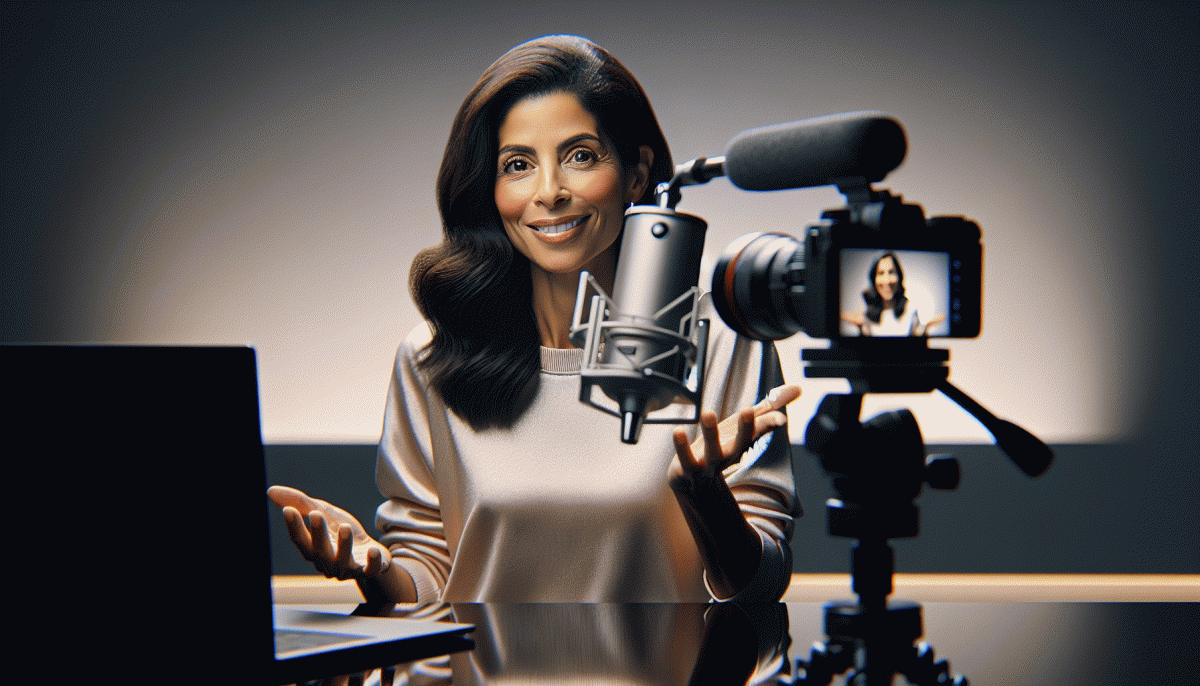
Go Live on Instagram Without the Cringe: Steal These Pro Tricks to Wow Viewers

Steal Back Your Day: Automate These Marketing Moves—But Don't Outsource Your Voice

Campaign Burnout? Steal These No Rebuild Moves to Wake Your Metrics Up

Still Crushing Instagram Without Ads? Steal These Organic Tactics

What’s Actually Working on Instagram in 2026? Steal These Proven Plays Before Your Rivals Do