Go Live on Instagram Without Cringe: The Zero-Panic Playbook to Win Views, Not Eye-Rolls
Prep in 10: scripts, scenes, and a backup plan (so nothing melts down)
Ten minutes is enough when you focus on the three things that actually move the needle: a tight script skeleton, a clean scene, and a simple fallback. Draft a 60 second opener, three value beats, and a 15 second call to action. Keep lines punchy so you can read them at glance. Timebox each part: 2 minutes for the opener, 4 minutes for the beats, 2 minutes for the CTA, 2 minutes to rehearse the transition between segments.
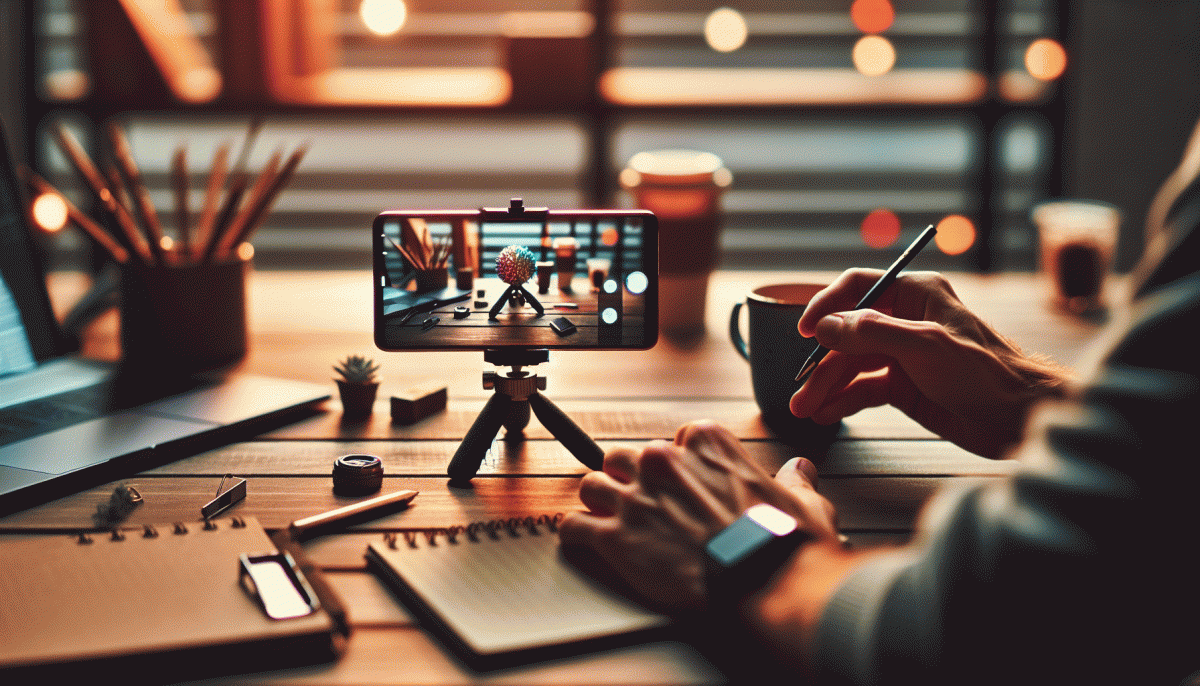
Set the scene fast. Check Phone position and angle, then test framing for headroom and background. Check Light from a window or soft lamp, not a ceiling light that creates shadows. Check Sound by recording a 10 second clip and playing it back. Turn off notifications and enable airplane mode if possible. Plug into power and keep a small bottle of water within reach.
Have a Plan B ready so nothing melts down on camera. Plan B might be a 90 second pre-recorded clip, a pivot to a Q and A in comments, or inviting a cohost to takeover while you resolve tech. Keep a printed copy of your mini script and a second device logged into the account for moderation. If streaming fails, post the clip and go live in Stories to keep momentum.
Finish with two quick run throughs: one straight read, one lively take. Note the 10 second open, the 30 second meat, and the 10 second CTA timestamps in the margin so you never ramble. Start a ten minute timer before you hit Go and treat this routine like a ritual that saves you from panic and from cringe.
Hook 'Em Fast: openers that freeze the scroll in 3 seconds
Think of the first three seconds as a tiny audition: if you do not convince someone to stay by then, the rest of the show never matters. Start with a sharp, specific promise or a micro surprise that makes viewers think "Wait, what?" instead of "Another live?" Aim for clarity over cleverness: a single strong image or result trumps vague energy every time.
Use easy, repeatable opener formulas that you can rehearse: a quick stat that shocks, a micro-demo that shows the outcome, a curiosity hook that leaves one clear question hanging. Examples: "90% of creators miss this one tweak that doubles views," "Watch me fix this in 7 seconds," or "What if you could get a reaction without spending a dime?" Swap wording to match your niche and always lead with the outcome.
Delivery beats content if energy is flat. Camera at eye level, a one-line script for that first breath, then improv. Start with a breath, move two inches closer on the second sentence, and show an object or a caption within 2 seconds to anchor attention. Edit your preset intro so the first frame is cropped tight and bright. Use a countdown timer in practice runs so the opener lands exactly on second three.
Test three openers across three lives and keep the winner. Measure retention at 3, 10, and 30 seconds and double down on what pulls people past the first pause. Keep openers short, repeatable, and outcome-driven; mastering them is the fastest route from awkward to magnetic without adding pressure.
Look and sound sharp: lighting, framing, and audio on a shoestring
Light is your first impression. Sit facing a window for soft, flattering key light and diffuse harsh sun with a sheer curtain or a sheet of baking parchment. If that is not possible, put a lamp behind your camera and bounce it off a white poster board to avoid flat shadows. Keep bulbs the same color temperature so your face does not look two tone.
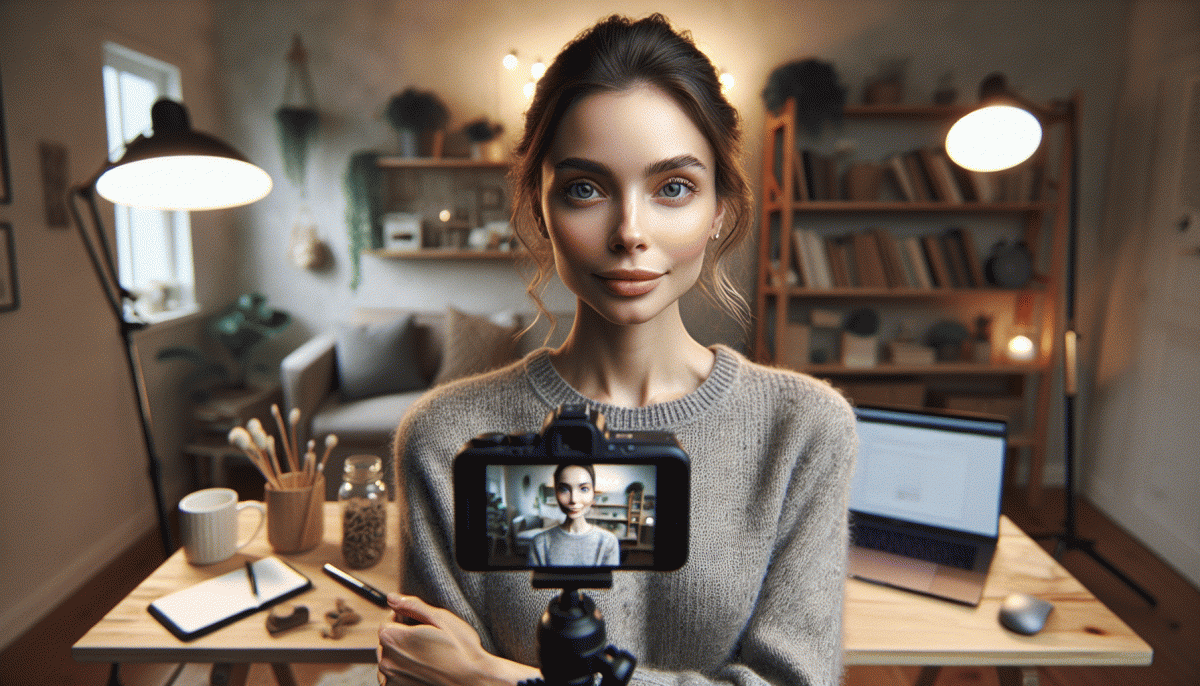
Frame like a pro without fancy gear. Place the camera at eye level and give yourself a little headroom; too much forehead feels awkward. Use the grid on your phone to follow the rule of thirds and leave space on the side where you will gesture. Stabilize with a cheap tripod, a stack of books, or a coffee mug as a wedge.
Sound matters more than most creators admit. Move the mic close to your mouth, mute phone notifications, and use wired earbuds as a step up from the built in mic. If you can, clip on an inexpensive lavalier or record a mirror audio track on another device to sync later. Always do a quick test and listen back.
Fix echo and hiss with household tricks: throw a blanket over a hard wall, add cushions behind you, or record in a closet full of clothes. Use free apps to apply light noise reduction and a small boost to mid frequencies where the human voice lives. Small edits make you sound confident.
Before you go live run a 60 second rehearsal, check lighting, framing, and one clean audio take. Smile, breathe, and remember that viewers forgive polish more than perfection. Those simple, low cost tweaks will stop cringe and start getting real engagement.
Own the chat: handling Q&A, trolls, and dead air like a natural
You are the chat's MC: greet people by name, set a quick vibe, and post a single house rule like ‘’be chill, be kind’’. When a question lands, read it aloud, thank the asker, then answer — repeating names and the question buys seconds and sounds polished. Announce that violating comments will be removed so you don't have to debate in public.
Adopt a simple three-bin triage for messages: Hot: answer now; Parking Lot: save for later; Mute/Ignore: trolls and spam. Have short canned replies for each bin so you reply quickly without panicking. Typing “Saving this for later!” is calmer than frantically scrolling and signals you’’re running the room, not the chat running you.
Trolls are predictable — treat them like background noise. Use three go-to moves: neutral defuse ('Thanks for your view! Next question.'), boundary statement ('We don't allow X here.'), then ban if needed. Add a co-host or moderator for enforcement and pin a one-line moderation note at the top; that small visibility often prevents problems before they start.
Dead air isn't a disaster if you frame it: say “Quick pause to pull the best Qs,” run a 30-second reaction countdown, ask a binary choice, or tell a 60-second micro-story tied to the topic. These tiny, intentional acts refill momentum and feel like purposeful pacing instead of awkward silence — practice them and they become invisible tools that boost engagement.
Do dry runs: rehearse canned phrases, build a short FAQ you can paste, and set keyboard shortcuts for common lines so your hands don't fumble. Assign a friend as a chat cop for early streams if you can. The more you automate the mechanics, the more space you have to be playful and present — which is the quickest route from cringe to magnetic.
Replay goldmine: slice your Live into Reels, Stories, and posts that keep working
Think of your Live recording as a raw gem: the full file is valuable, but the real ROI comes from slicing it into bite-sized, platform-ready pieces that do the heavy lifting while you sleep. Start by timestamping the moment markers as soon as you finish—flag the funny bit, the tip, the aha moment and any repeatable call to action. Those flags become your edit map.
Export the highest-quality file and work in descending priority: first make a 60-second highlight for Reels, then a 15-second Story teaser, then a static post with a quote image and a carousel of takeaways. Use simple cuts, a punchy opener, and captions. Do not over-edit: keep natural breaks so the clip feels live, not canned.
- Clip It: 30–60s highlight for Reels or Feed that opens with the strongest line.
- Tease: 15s Story snippet with sticker or poll to spark replies.
- Caption: Pull a short transcript line and turn it into a carousel slide or pinned caption.
Make assets work harder: export audio as an audiogram for other platforms, save vertical and square versions, and create a branded thumbnail frame. Write one punchy caption and three variants—long, medium, and micro—to A/B test across placements. Pin the highlight to your profile and add it to a Stories highlight so new visitors hit your best moments instantly.
Finally, schedule rediscovery loops: re-share the same clip with a new caption, remix it with a follower comment, or stitch it into a themed weekly roundup. Measure views and retention on each format, then double down on winners. With a simple, repeatable slicing system you turn every awkward pause into long-term engagement, without the cringe marathon.
Read also

Instagram Live Without the Cringe: The Unfair Playbook They Don't Want You to Use
Go Live on Instagram Without Cringe: The Shockingly Simple Playbook
Go Live on Instagram Without the Cringe: Steal These Pro Tricks to Wow Viewers
Live on Instagram Without Embarrassment: Pro Secrets That Actually Work
You’ve Been Doing Instagram Live Wrong—Do This Before You Hit ‘Start’