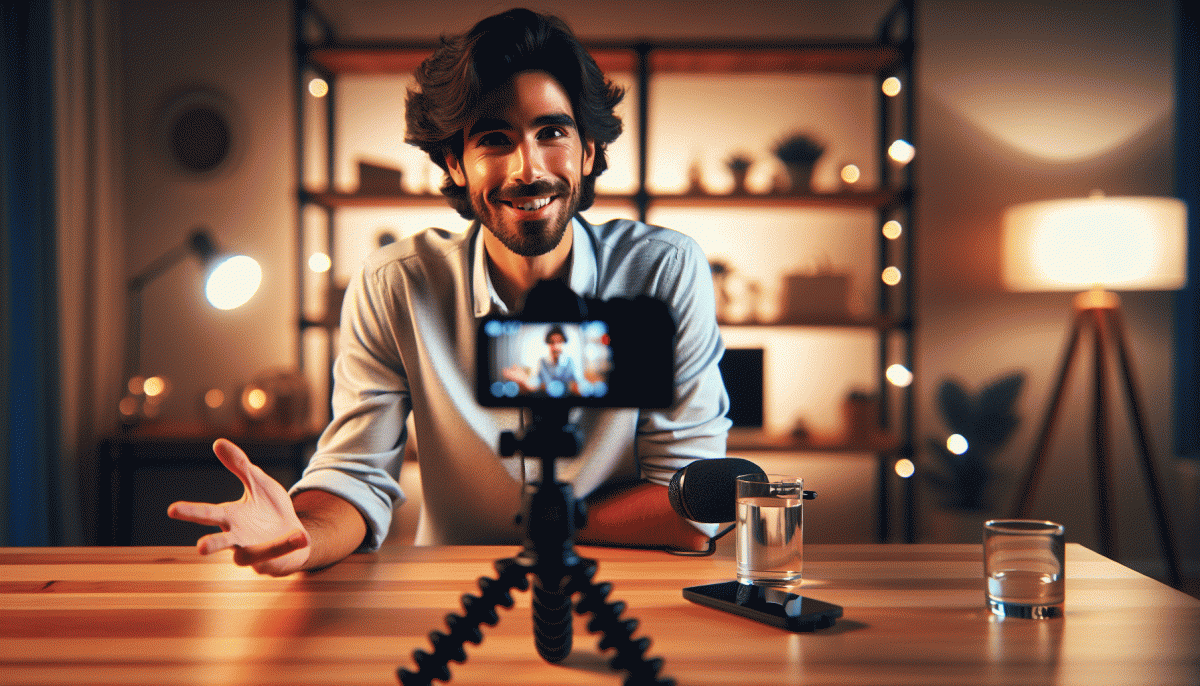
Go Live on Instagram Like a Pro: Steal These Zero-Cringe Tricks
The 10-Minute Pre-Live Routine That Prevents Awkward Silence
The ten minute warmup is a tiny ritual that slashes micro awkwardness and gives your stream structure. Start by putting device on a stable stand, switching to Do Not Disturb, and opening the notes app with three clear points. Do a quick mirror check for expression, frame the shot, and write one memorable opener sentence that you can say with zero hesitation.
Minutes 10 to 8: tech and visuals. Confirm camera angle, mic level, and background; plug in power and test network strength. Minutes 7 to 5: energy and script. Smile, breathe, and say the opener out loud as rehearsal. Minutes 4 to 2: engagement setup. Draft and pin a short prompt, and decide on a first question for chat. Minutes 2 to 0: final audio run and countdown. Speak the first 8 to 12 seconds exactly as you will on air so it lands clean.
Keep three go to openers ready: a quick value promise, a relatable line, and a playful call to action. Sample starters include I will show X in five minutes, anyone else tuning in from {city}, and drop a plus sign if you want tips. If silence arrives, read a top comment aloud, describe a recent small win, or recap the plan for the next five minutes. Those moves convert awkward gaps into genuine interaction.
Finish with a mini checklist: pinned prompt live, moderation on, and a deep breath. Two rehearsed transition sentences will carry you from one topic to the next. Ten focused minutes is enough to turn nervous energy into confident momentum so the stream begins crisp and keeps moving.
Look Expensive on a Phone Budget: Lighting, Angles, and Sound Made Easy
Want luxe vibes without splurging? Start with light: face a window for a soft, even glow or angle a cheap LED ring light to mimic studio bounce. Use a white poster board as a reflector opposite your light to fill shadows. Keep the brightest source behind the camera—backlighting kills detail; front or 45-degree fill makes skin look framed and camera-friendly.
Angles make or break perceived production value. Hold the phone at eye level or just above, tilt slightly down for a slimming perspective, and step back to let the lens compress features—then crop in later. Use the rear camera for sharper detail and enable AE/AF lock so your exposure doesn't hunt. Stabilize with a tripod, clamp, or a stack of books for buttery-smooth motion.
Cheap phones + bad audio = instant amateur. Plug in an inexpensive lavalier or use a directional shotgun if you can; wired earbuds often outperform built-in mics. Treat your room: toss a blanket on reflective surfaces, hang a curtain, or move closer to cut reverb. Always do a quick test clip and listen back with headphones to catch hiss, pops, and ambient noise.
Finish with a pro checklist: neutral, pattern-free outfit; tidy background with one visual accent; battery on charge and notifications silenced; test lighting, angle, and sound for 60 seconds before going live. Small, repeatable routines like these give your streams a polished, expensive feel—no studio required.
Hook Them Fast: Openers, Teasers, and CTAs that Stop the Scroll
Treat Instagram like a stage: your first three seconds are the headline. Start with a micro-shock, a promise, or a question—anything that interrupts the thumb. Swap 'Hey everyone' for a bold, immediate hook so viewers know why staying matters. Visuals should back the line instantly: movement + contrast + a readable text overlay.
Here are quick opener scripts you can steal: 'Don't scroll—this saves you 20 minutes a week', 'What they never told you about X is...', 'I bet you can't name one thing that's actually working for your feed' — pick one, film it with energy, and repeat the strongest phrase twice in the first ten seconds.
Teasers are promises with a cliff edge: hint at the payoff, then force a tiny commitment. Say 'I'll reveal the hack in 45 seconds' and add a visual countdown. Layer curiosity with utility: show a before shot, flash a result, then pull back to explain. People stay for resolution, not mysteries.
CTAs should be tiny actions, not demands. Use micro-commitments like 'double-tap if this surprised you', 'type 1 if you want the template', or 'save this for your next shoot'. Place one CTA early and another right before you close to catch both lurkers and re-engagers. Keep language playful, optional, and specific.
Run a simple test loop: try three openers across three lives, track retention at 0–15s, and keep the winner. Iterate every week and steal moves from creators who consistently hold viewers. Your live doesn't need theatrics—just a sharp opener, a teasing promise, and a CTA that feels like a tiny favor.
Chaos to Conversational: Pin, Prompt, and Mod Your Chat Like a Boss
Turn the chat from a raucous gym class into your best focus group: pin one clear prompt at the top before you go live and the vibe instantly changes. A pinned prompt sets expectations, funnels energy into answers and clips, and gives moderators something to point to when viewers get rambunctious. Keep it short, playful, and goal-oriented so people actually respond.
Think of pinned prompts as your secret prompt deck—rotate them every 5–10 minutes to keep replies fresh and usable. Use canned prompts that spark stories, questions, or emoji chains and watch engagement that matters roll in. Here are three quick power moves to pin in rotation:
- Prompt: Drop a one-line ask (e.g., "Tell me your worst date in one emoji") to kick off instant replies and easy clips.
- Pin: Place a stickied instruction (e.g., "Drop Qs now — we answer at :30") so chaos doesn't win and expectations stay clear.
- Moderate: Assign a mod to spotlight the best replies and cue follow-ups; that curation makes the stream feel premium without being stiff.
Mod like a boss: arm moderators with two scripts (calm redirect + hype reply), a private signal for when you want a question escalated, and permission to use slow mode during spike moments. Pre-set banned-word filters, pin community rules when you start, and let mods drop names to create cozy callbacks that keep conversations personal rather than performative.
Before you hit Go, rehearse two pinned prompts, name two mods, and promise the chat one tiny prize (shoutout, sticker, or follow). Small structure plus big personality equals zero cringe and real interaction. Try it for one stream, tweak from the replay, and watch your live chat graduate from chaos to conversational royalty.
Replay to Payday: Repurpose Your Live into Reels, Emails, and Offers
Post-live triage should be surgical, not messy. Scan for 3–5 scorching moments, timestamp them, and export 30–60 second clips that open with the wildest line. A strong first three seconds decides if a viewer keeps scrolling or hits replay for more.
Repurpose audio into bite-sized quotes with captions and punchy subtitles for silent autoplay. Swap backgrounds, add a branded bumper, and export vertical versions for Reels and Shorts. Batch your edits so one long session yields a week of fresh clips.
Turn the transcript into a conversion engine: pull three concrete takeaways and craft a 3-email mini series that nurtures leads with value, not spam. For a quick credibility boost, pair posts with a cheap smm panel to show momentum while organic interest builds.
Package highlights as an exclusive offer: limited run bonuses, early bird prices, or a replay-access tier. Use a clear CTA in every clip, email, and caption that points to one landing page so you can track what converts and iterate faster than your competition.
Set a simple workflow: capture, chop, caption, schedule, and measure. A/B test thumbnails and openers, recycle winners, and keep the backend tidy so repurposing becomes a growth habit instead of a guilt trip. Do the work once, get paid repeatedly.
Read also
Go Live on Instagram Without the Cringe: Steal These Pro Tricks to Wow Viewers

Stop Guessing: Steal These DIY Analytics Tricks and Track Like a Pro (No Analyst Needed)

Steal These Organic Instagram Growth Tactics That Still Work Like Magic

Still Crushing Instagram Without Ads? Steal These Organic Tactics

Instagram Live Without the Cringe: The Unfair Playbook They Don't Want You to Use